CUPRA Terramar TRIBE EDITION
By Bill McCarthy
Making a model stand out from the crowd is perhaps what automotive manufacturers constantly strive to achieve. In the world of the ubiquitous SUV, that’s a task and a half – but with the CUPRA Terramar’s paintwork options, the brand has given it a certain X factor. Well, it did for me anyway.
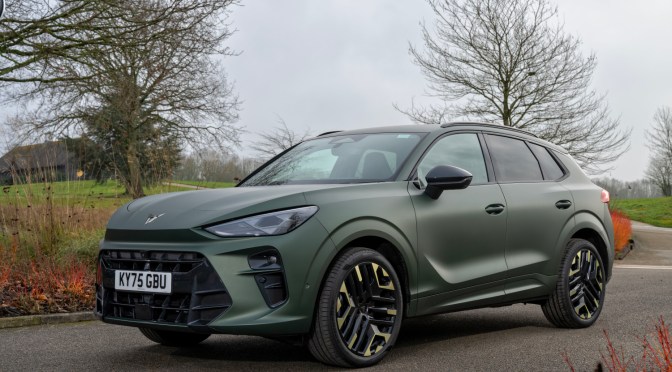
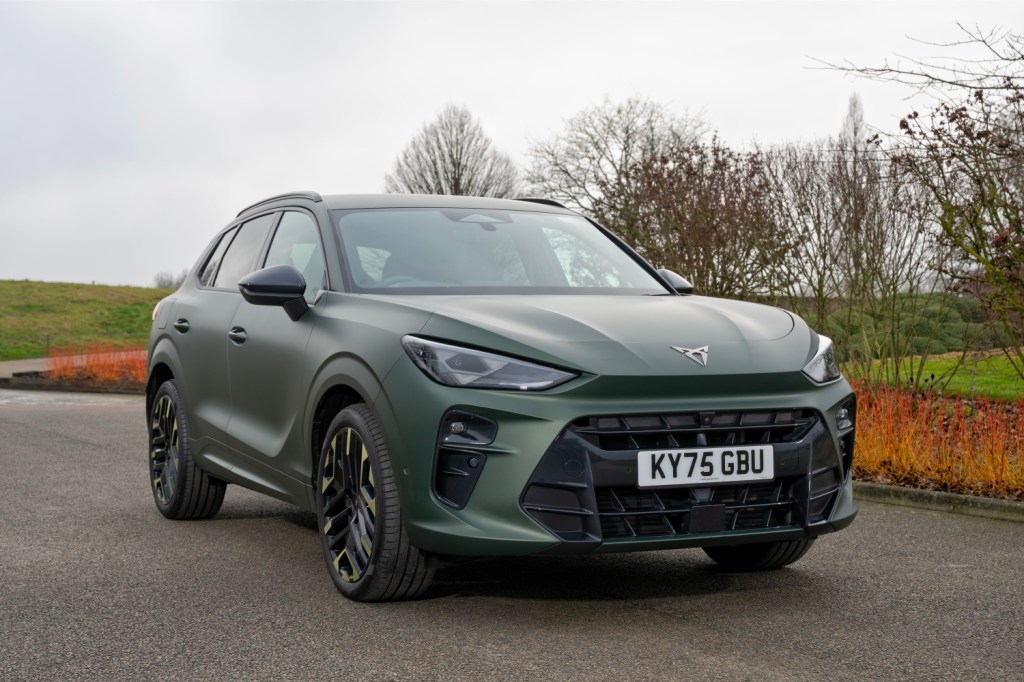
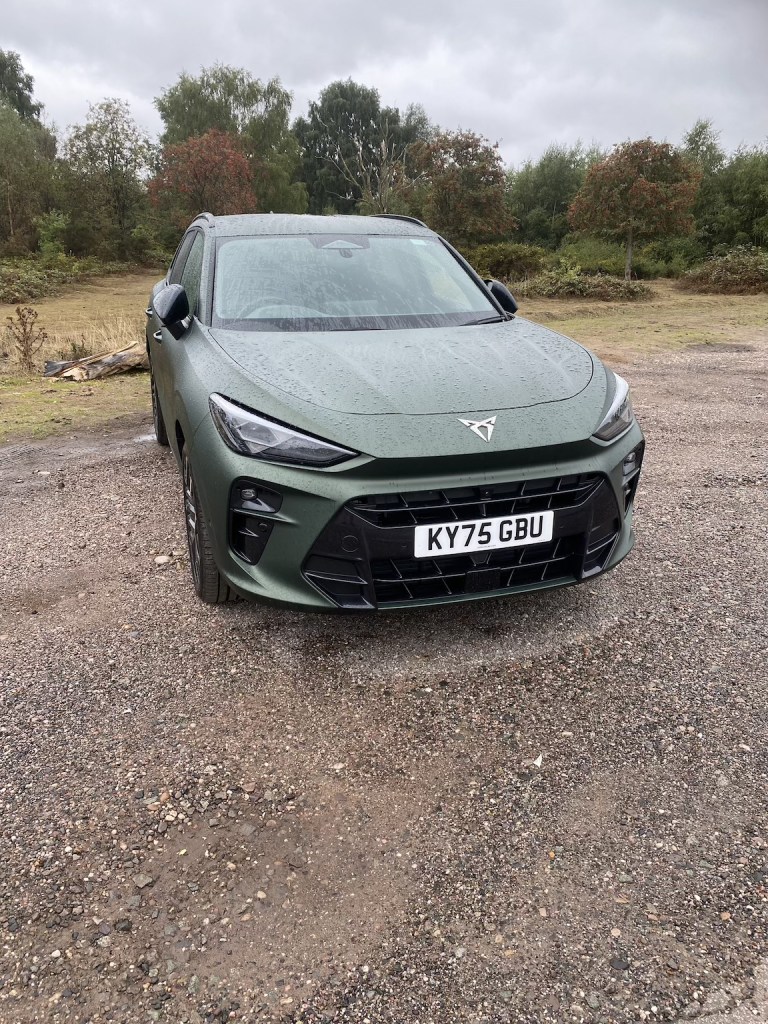
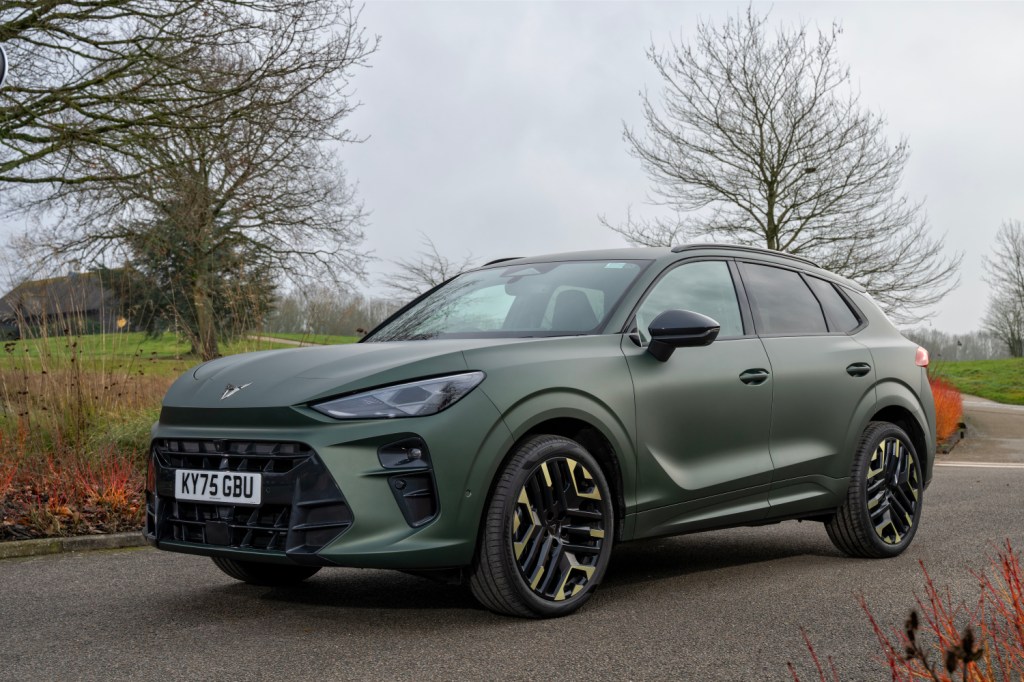
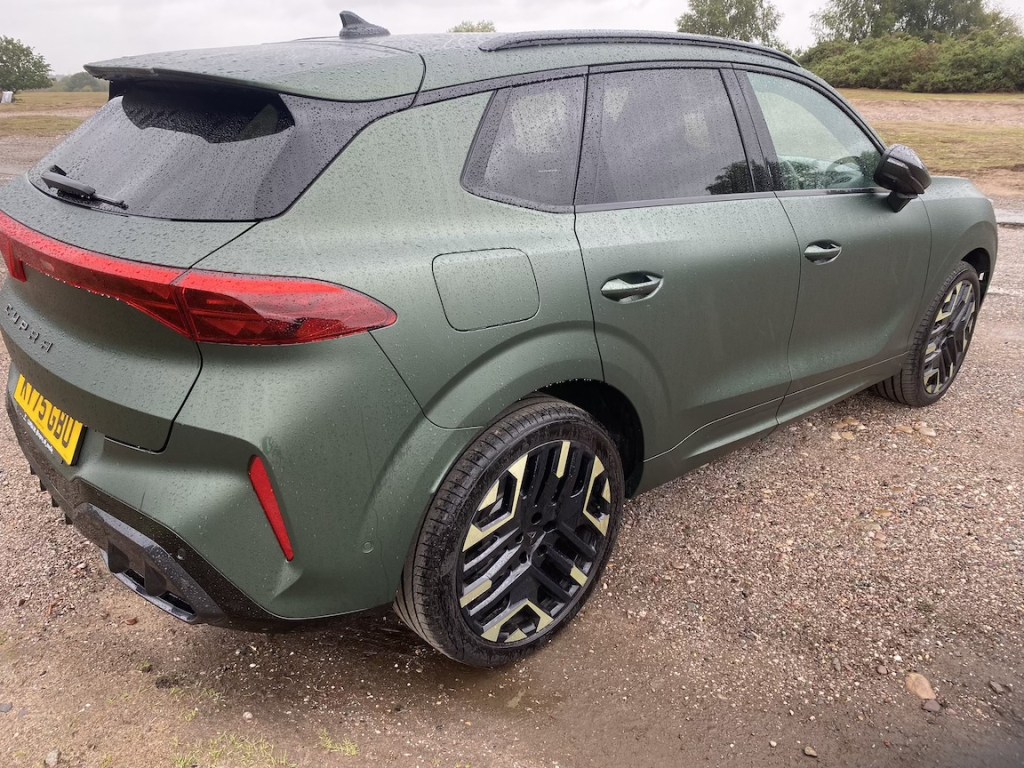
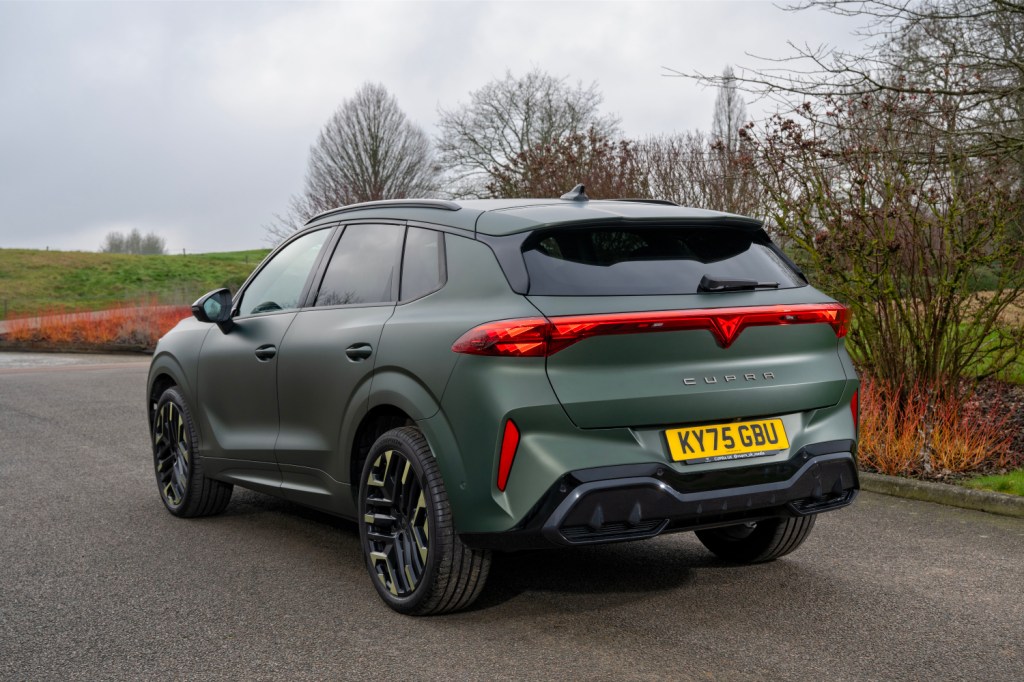
Standard versions cement the brand’s reputation as the sporty arm of the VW Group. Not cheap, though – premium matt choices can add more than £1,000 to the price tag. The Terramar has arrived to challenge the established order of the mid-size SUV segment. This particular model – the TRIBE EDITION – with its Manganese Green Matte paint and aggressive styling, delivers a stylish SUV alternative.
How does it look
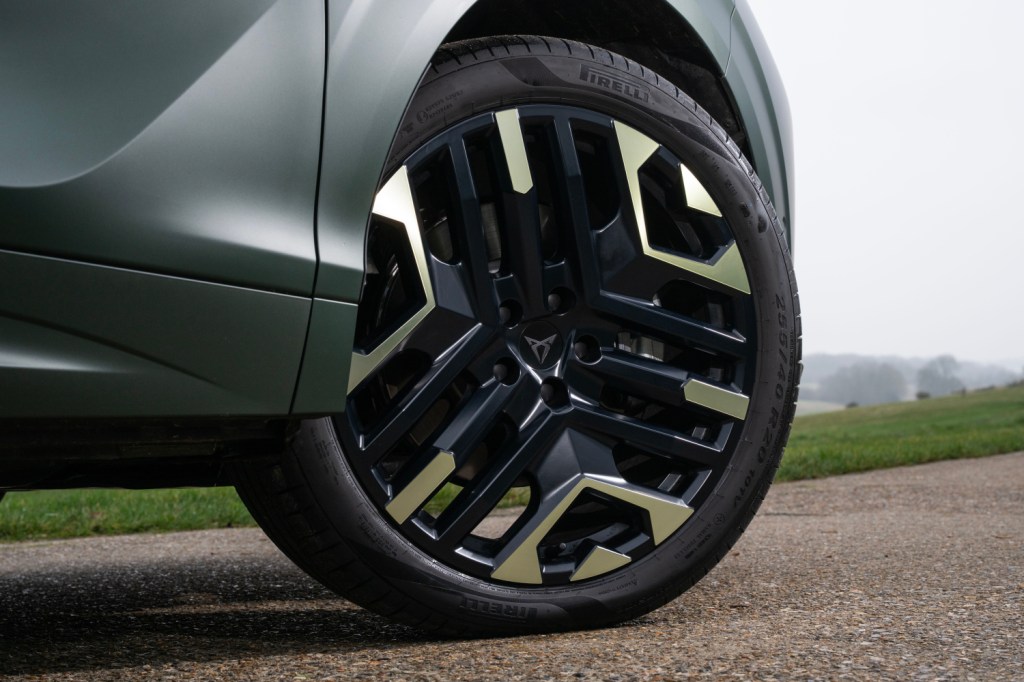
The “TRIBE” designation isn’t just a trim level; it’s the brand’s marketing strategy to build a sense of belonging among its drivers. You know, a tribe. The matt green paint shifts subtly under different light. Not everyone likes matt paint – it’s a divisive choice – but this one adds a certain subtle quality. 20-inch alloy wheels in matt black with green-tinted accents complete the look. The trade-off is that matt finishes are trickier to clean and maintain, and repair work is best left to a specialist and can be expensive. It’s a brave choice.
Otherwise, the profile is striking – with flowing lines from the shark-nose front to the tapered rear, where the sporty CUPRA badge is prominent around the rear light clusters.
Stylish interior
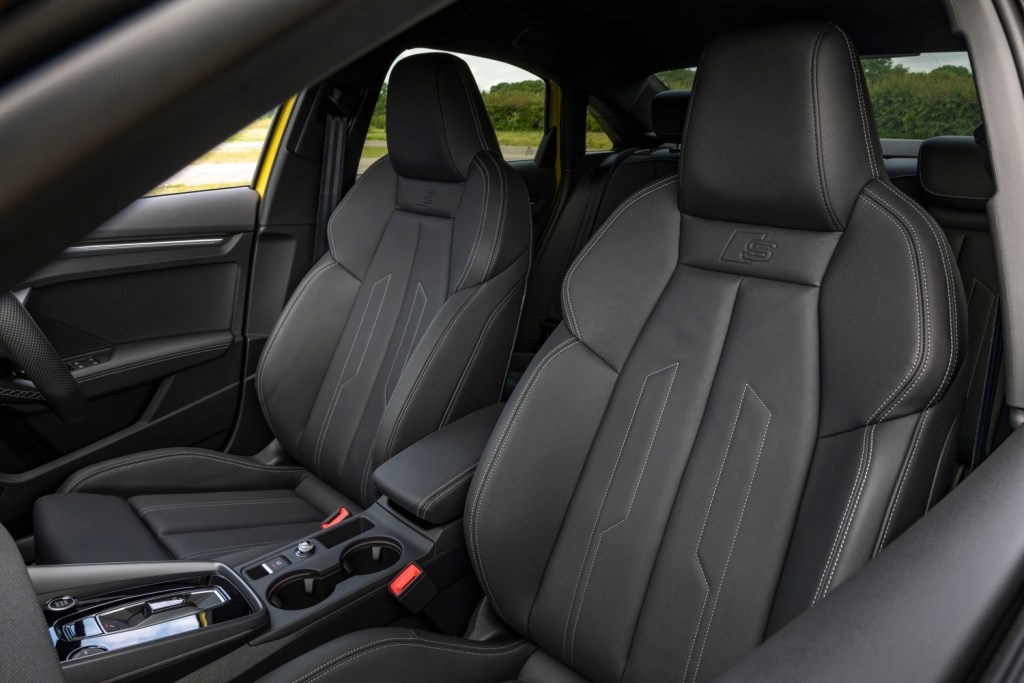
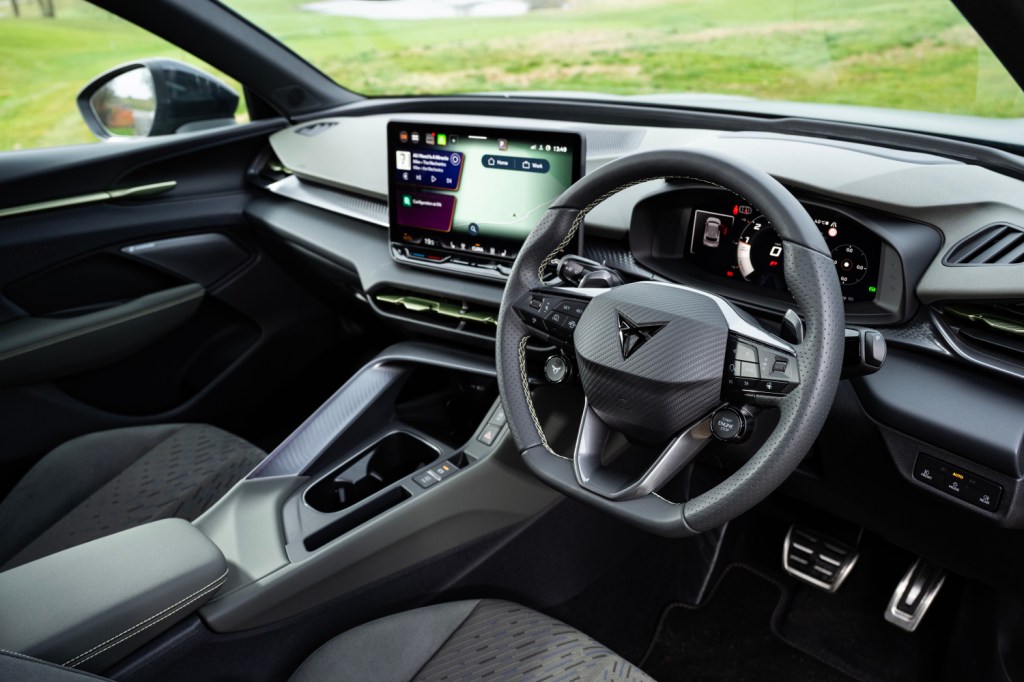
For this model, you have to love green, because the colour dominates inside, with unique sporty green bucket seats which are heated and electrically adjustable with driver memory. They feature green stitching and detailing. Rear space is adequate rather than generous, with the sloping profile lowering headroom slightly.
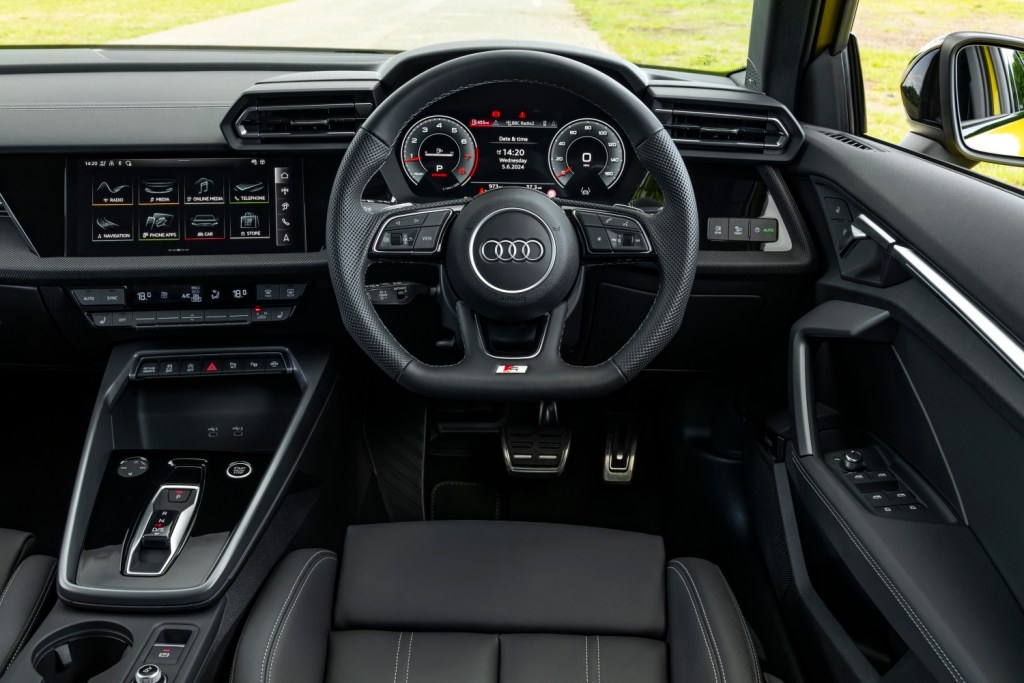
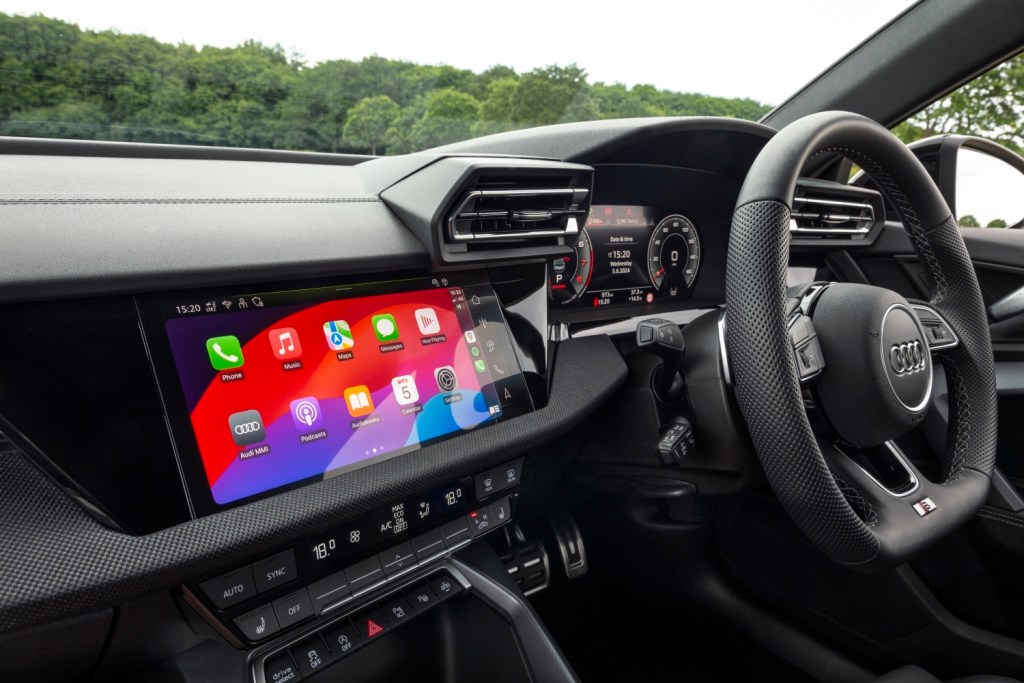
The brain of the car is an intuitive central touchscreen that controls major functions like infotainment, connectivity and various apps.
Also standard is a heated leather sports steering wheel, three-zone climate control, and the Sennheiser audio system with 10 speakers.
Safety is comprehensive with the brand’s Intelligent Drive pack featuring a head-up display, Top View 360-degree camera, and Intelligent Park Assist and a host of safety measures.
Performance, economy and practicality
Under the bonnet lies a 2.0-litre TSI engine producing 204 PS and 250 Nm of torque, sent to all four wheels via the 4Drive system and a 7-speed DSG automatic. It’s a powerful unit that propels the Terramar to 62 mph in 8.3 seconds and a top speed of 127 mph. However, it does feel refined, and if you like a growl, it features an artificial “soundscape” through the interior speakers in sportier modes.
The WLTP fuel economy of 35.3–37.2 mpg seems reasonable, though 172 g/km CO₂ emissions are a reminder of its sporting nature. In real-world driving, I only got around 32 mpg at best – so don’t expect to match official figures unless you’re very gentle with your right foot.
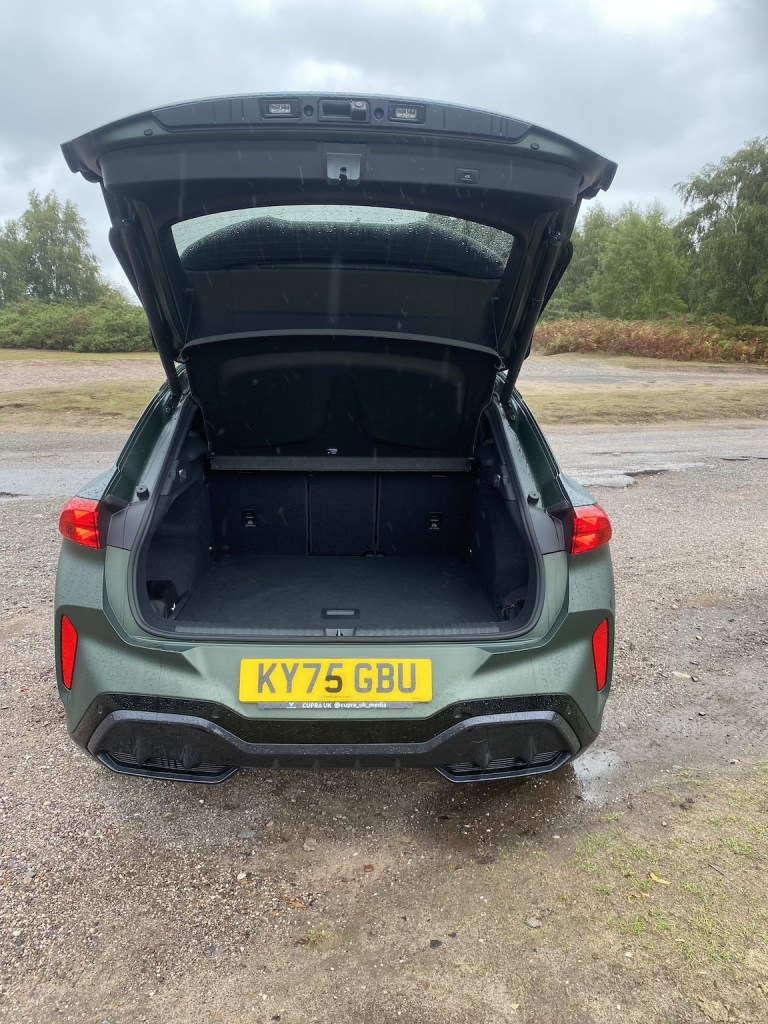
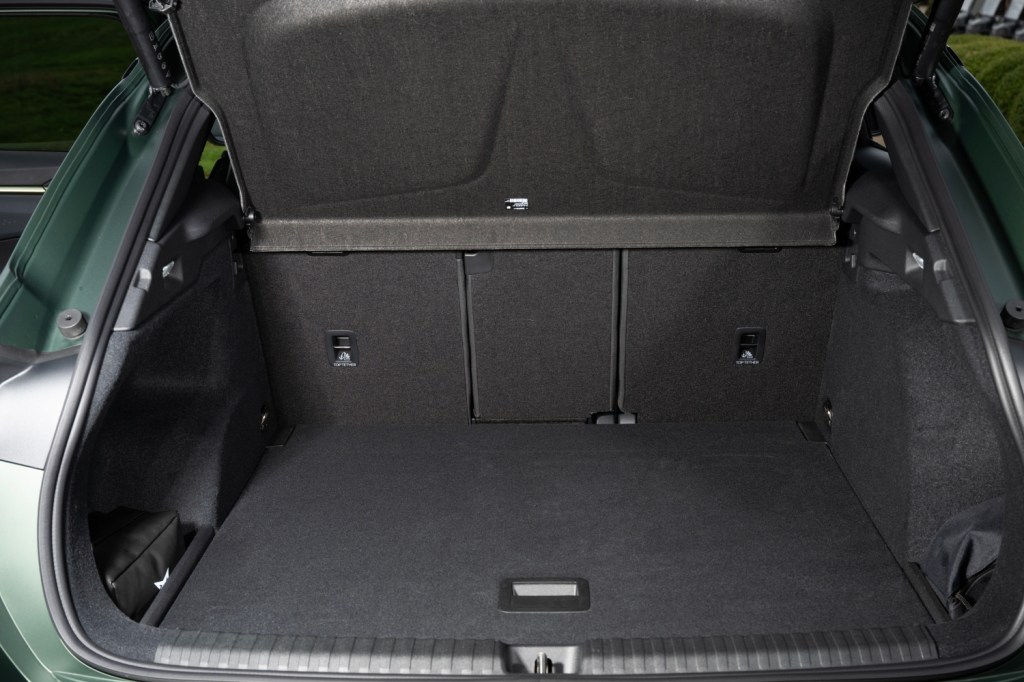
Sporty but still practical, it has a maximum 540-litre boot, and the sliding rear bench adds flexibility. It passed the weekly tip run with flying colours with the rear seats down – a proper test of any family SUV.
Ride and handling
The 4Drive system adds genuine traction and confidence in bad weather, and delivers extra stability. I was impressed with the handling around tight Shropshire country roads and hills, feeling limpet-like with nicely weighted steering that responded well. This was borne out on challenging B-roads, where the car felt well balanced with the drive always in control. The ride errs on the firm side, which keeps body roll in check through corners but can make rougher road surfaces feel more pronounced, although it will hardly rattle your fillings.
Bear in mind
There is a more powerful version, with a firecracker 265 hp version of the Volkswagen Golf R engine – good for 0–62 mph in just 5.9 seconds. That’s if you are less worried about economy, because these petrol models like a drink.
There’s also the UK’s “expensive car” tax supplement. Cars with a list price over £40,000 face a significant road tax surcharge in years two to five, and only the entry-level 1.5-litre mild-hybrid sneaks under at around £38,015. This version didn’t,, so you’ll be paying the higher rate.
The Verdict
This SUV delivers strong performance, distinctive looks, real practicality and a rewarding drive. It’s pricey and thirsty, but around Shropshire’s lanes, it felt every bit the driver’s SUV – with traffic-stopping looks. And in this case, you need to love green.
Factfile
- Model: CUPRA Terramar TRIBE EDITION 2.0 TSI 204 PS 4Drive
- Price: £48,350 (£49,455)
- Mechanical: 204 PS, 2.0-litre turbo petrol, driving all four wheels via a 7-speed DSG automatic transmission
- Max speed: 127 mph
- 0 to 62 mph: 8.3 sec
- Combined mpg: 37.2 mpg (WLTP)
- Insurance group: 30E
- CO₂ emissions: 172 g/km
- BIK rating: 37%
- Warranty: 5 yrs/90,000 miles