Category Archives: Performance

Škoda vRS performance meets practicality

I drove my first Octavia vRS more than twenty years ago. That was the 1.8-litre turbo with 180hp and a manual gearbox, and it was a proper shock – a family hatchback that went like a hot hatch but didn’t punish you for it. The latest one version is quicker, cleverer, and more expensive, but the basic formula hasn’t changed: serious performance, proper space, and a price that undercuts most of its rivals.

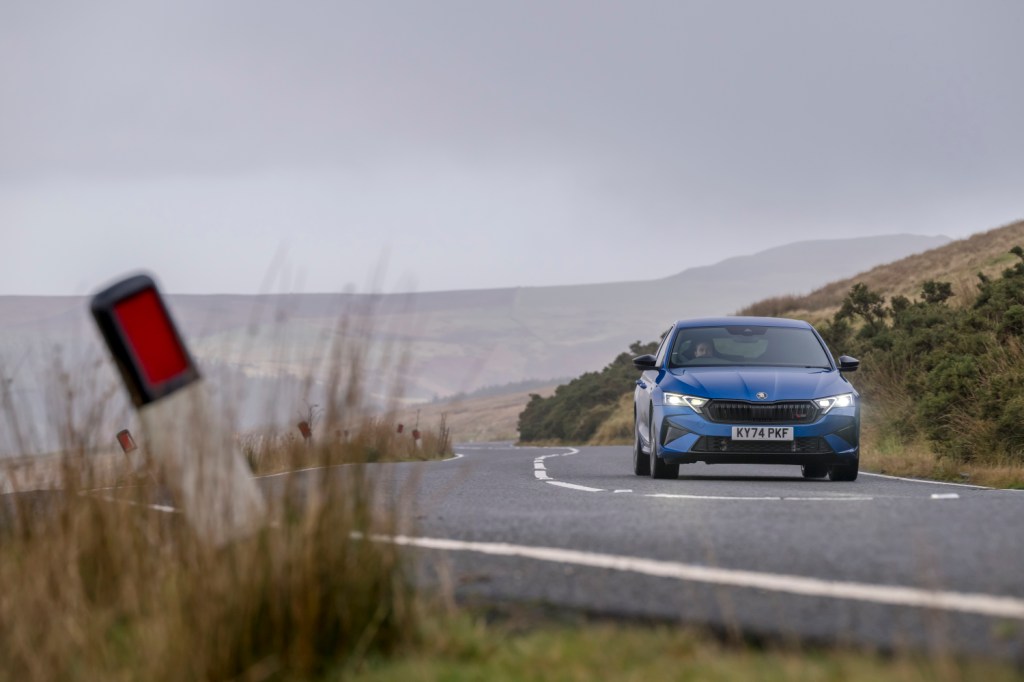
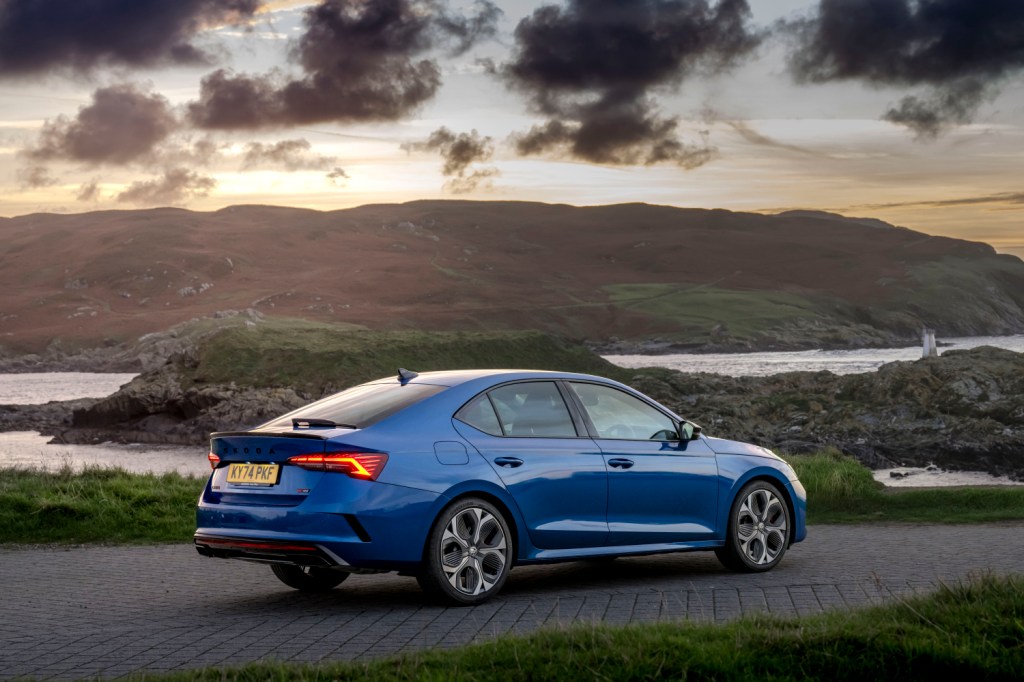
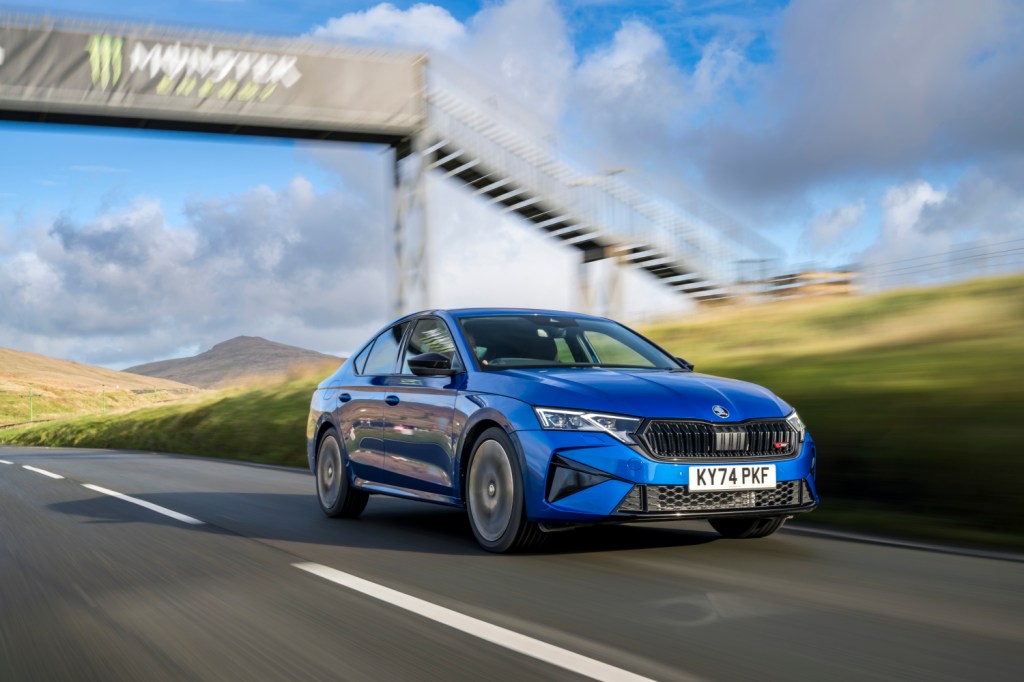
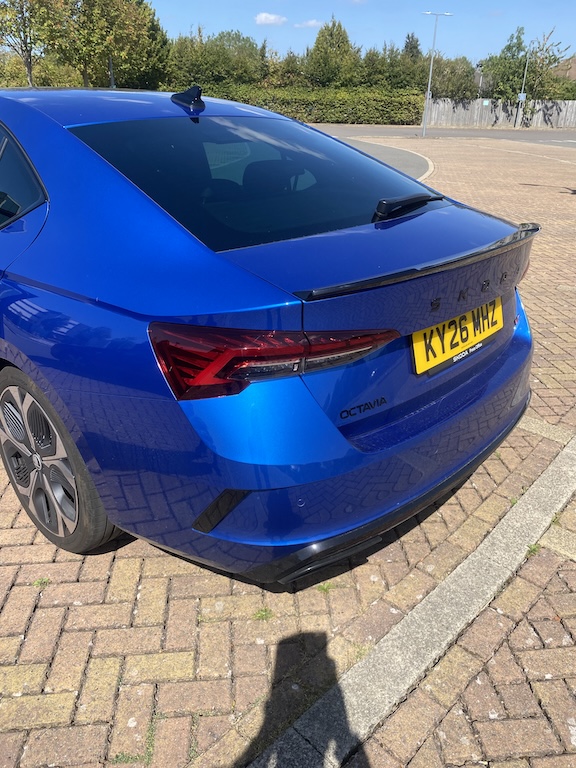
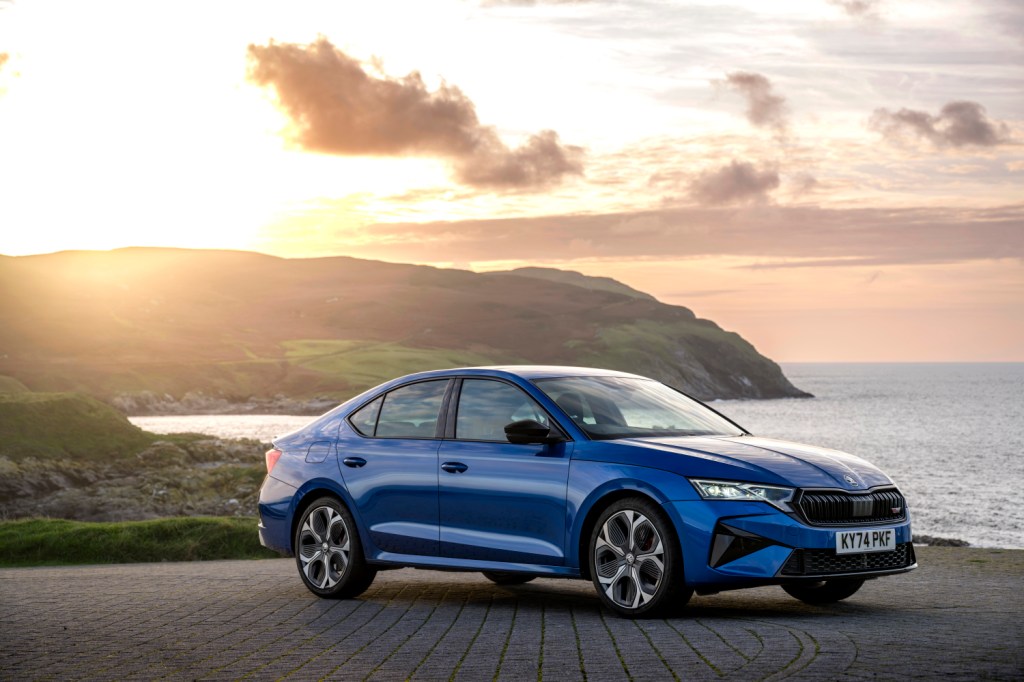
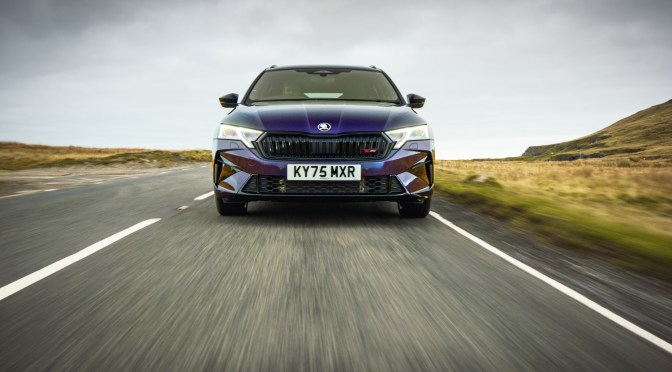
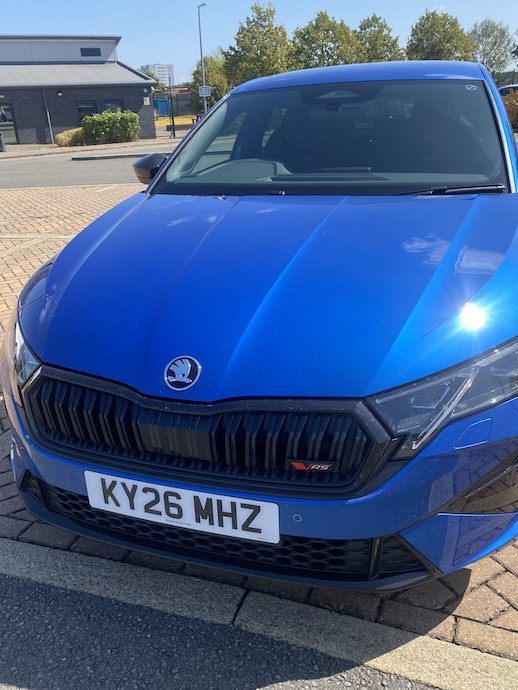
It looks the part, with black gloss accents replace chrome, the front bumper features large air intakes, and the signature vRS badging appears discreetly on the grille and tailgate.

Price and power

Now at £40,660. That’s a sizeable jump from the previous model I tested, which came in just under £34,000. You get a lot for the extra outlay, though. The 2.0 TSI engine now produces 265PS, sent through a seven-speed DSG gearbox that shifts crisply. It’ll hit 62mph in 6.4 seconds and run out of steam at 155mph, which is more than enough for UK roads.

On the road

What matters more is how it drives. I took it on some proper roads through the twisty stuff through the Derbyshire Peaks – and it proved as surefooted as a mountain goat. The grip is exceptional. You can push hard through corners that tighten unexpectedly, and the car just holds its line. The steering weighs up nicely without going heavy, and the suspension – lowered by 15mm over the standard car – keeps body roll in check. The growl of the twin exhausts adds a satisfying backdrop.

Clever differential
On paper, a front‑wheel‑drive car with nearly 270hp sounds like a handful – tugging at the wheel and spinning its tyres. In practice, the electronic differential shifts power between the front wheels smoothly – you just feel the car grip and power out of bends without any steering kickback. Rear‑drive purists will say it’s not the same, but the majority would barely notice the difference.

Practicality

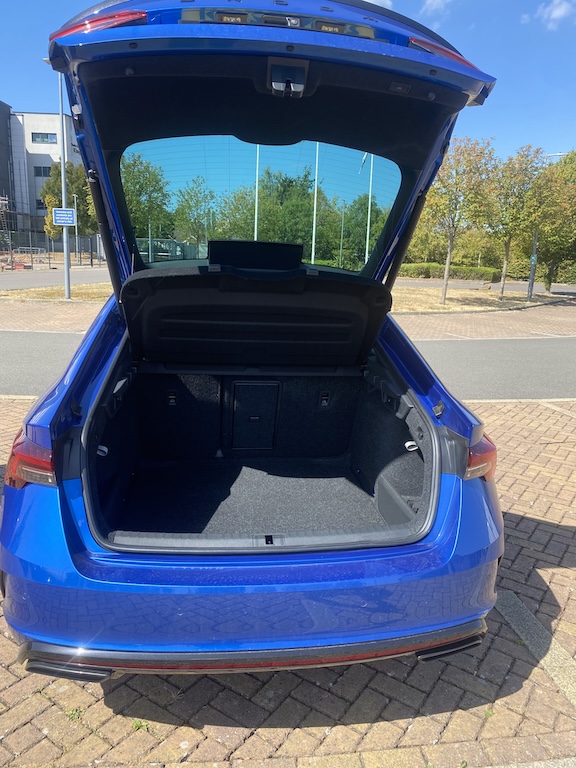
The boot is vast – 600 litres with the seats up, 1,555 litres with them folded. I shifted several heavy rubble bags and a dismantled flatpack on a tip run, and the car barely noticed. The load lip is low, the opening is wide, and you can option the virtual pedal for hands-free opening. It’s genuinely useful in a way that hot hatchbacks often aren’t. In addition, the  Skoda clever extras – like the ice scraper in the fuel filler flap, the umbrella under the passenger seat, and the ticket holder on the A-pillar – remind you this is a car built by people who actually think about everyday use.

Cabin and controls

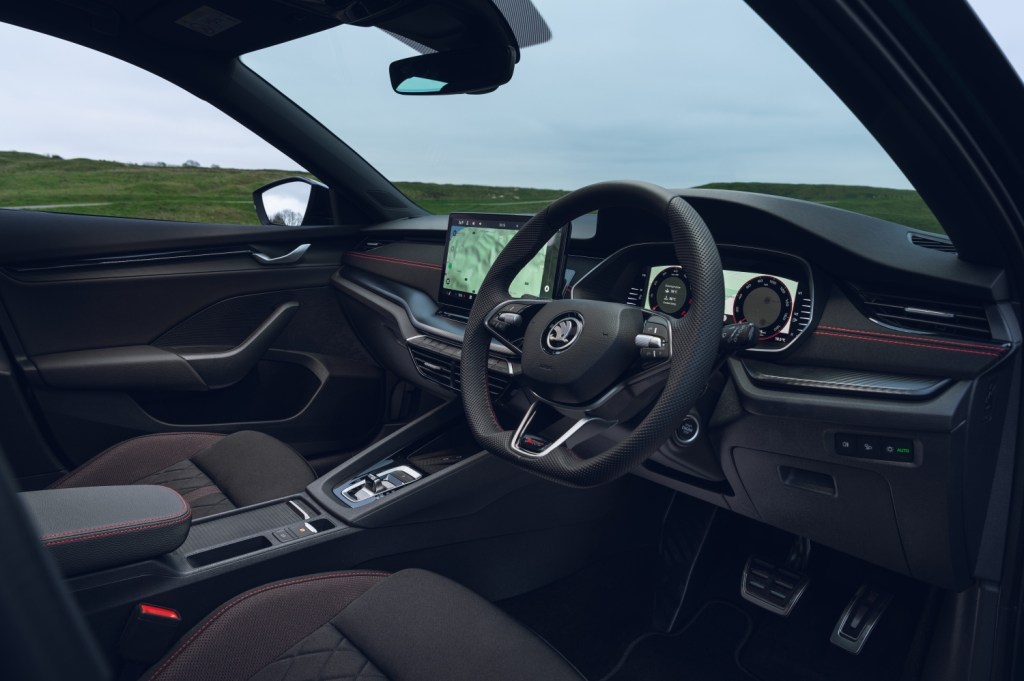
Inside, the cabin is understated and well built with comfortable, sporty branded seats.The 13-inch infotainment screen dominates the dash, but Skoda hasn’t gone for single-screen bells and whistles. You still get proper rotary dials for the climate control, physical buttons for the heated seats and drive modes, and a decent volume knob. After spending time in cars where every function is buried in touchscreen menus and sub-menus, it’s a relief. The screen is clear, allowing smartphone access, apps, infotainment and navigation where required.

Fuel economy

Fuel economy is better than you’d expect. I saw 45mpg on a motorway run, above the official WLTP combined figure of around 40.8mpg. It’s not a car you’d buy for economy, but it’s nice to be able to save the pounds at the petrol pumps.

Safety and family kit

Safety kit is comprehensive: blind spot monitoring, lane assist, predictive cruise control, front and rear parking sensors, autonomous emergency braking, and the usual airbag complement. ISOFIX points are fitted to the outer rear seats and front passenger seat, which matters if you’re ferrying children around.

Verdict

The Octavia vRS is fast, practical, well equipped, and returns better economy than its performance deserves. For some it lacks the prestige of a German rival or the drama of rear-drive, but it does everything so competently that you start to question what you’d actually gain by spending more. Day in, day out, it simply delivers. Twenty years on, that’s still what makes it a fine car.

Factfile

  • Škoda Octavia vRS
  • Price: £40,660 (as tested)
  • Mechanical: 265PS, 1984cc, four-cylinder petrol engine driving front wheels via 7-speed DSG automatic gearbox
  • Max speed: 155 mph
  • 0-62mph: 6.4secs
  • Combined mpg: 40.4 – 40.9mpg (WLTP)
  • CO₂ emissions: 155 – 160g/km 
  • Warranty: 3 years / 60,000 miles (standard manufacturer’s warranty)
GV70: Luxury meets electric performance

Genesis Electrified GV70

By Bill McCarthy

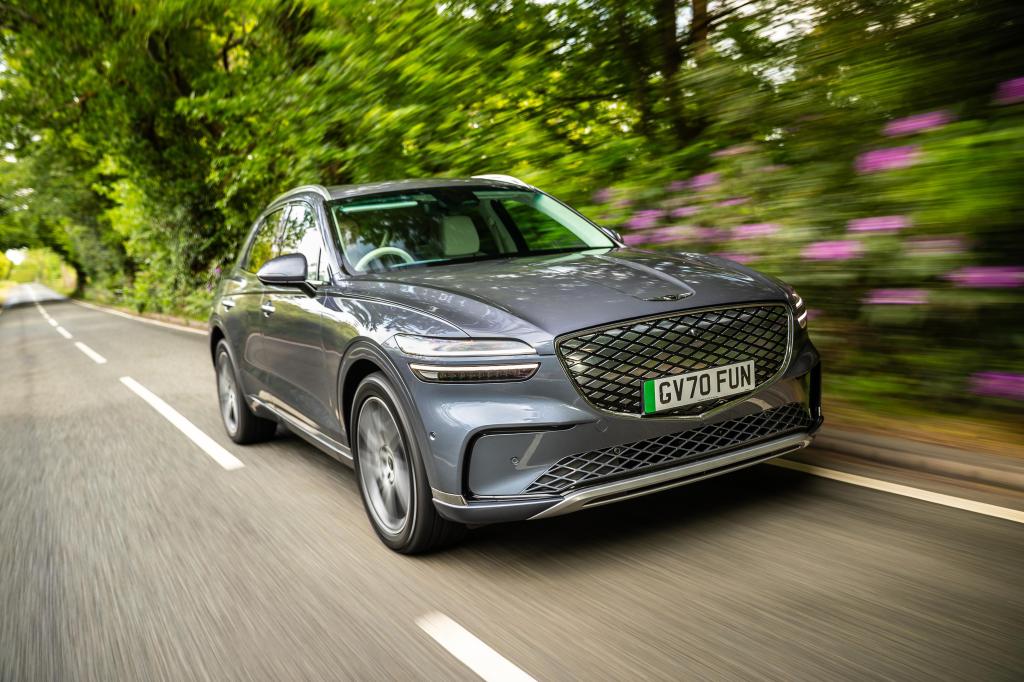
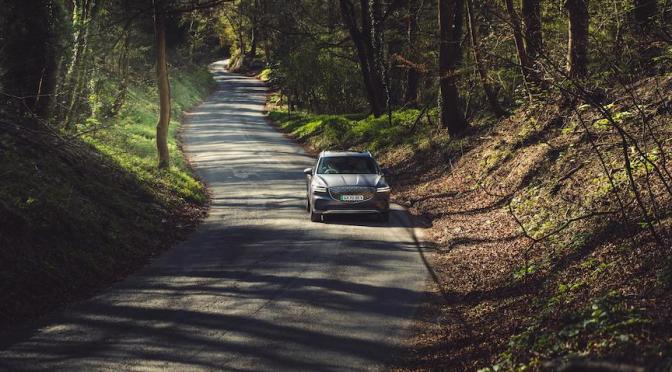
Genesis continues to attract attention from curious car buyers, thanks to its eye-catching, often dramatic styling. Since the brand’s launch in 2020, it has sold more than 200,000 units worldwide. Genesis recently updated this electrified GV70 and it certainly looks the part.

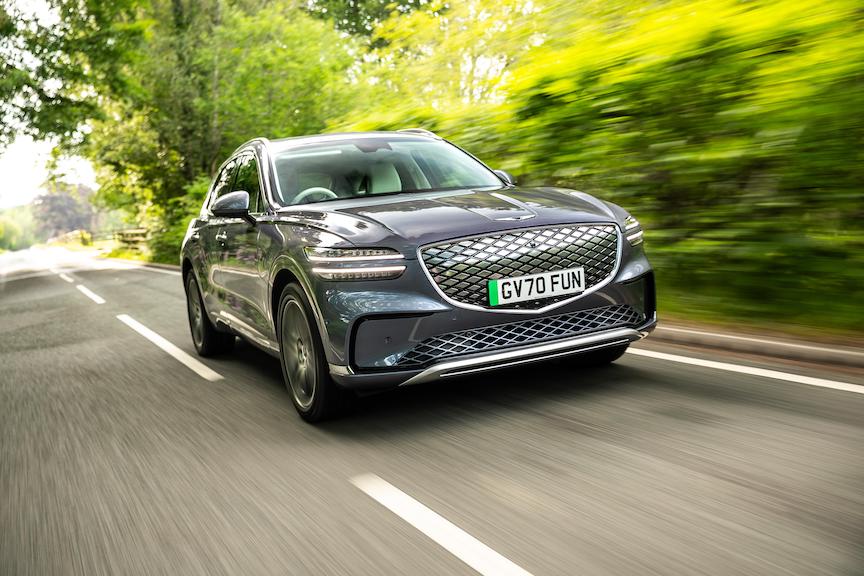
It bears more than a passing resemblance to a Bentley, with its winged badge and crest grille. As the luxury sibling of Hyundai, it isn’t cheap, but it undercuts German rivals while Bentley remains in a different price bracket. However, as you’d expect, optional extras can be eye-watering.

The range starts at £65,915 for the Pure trim with features like a power tailgate, wireless charging, fingerprint recognition, heated front seats and steering wheel, and adaptive suspension.

The £70,715 Dynamic version adds 20-inch wheels, a head-up display, and remote smart parking assist, while the £74,915 Luxury model driven here brings a panoramic sunroof, active noise cancellation, ventilated front seats, heated rear seats, and a Bang & Olufsen 15-speaker system, rising to over £80,000 fully loaded.

Exterior Design

New features include a G-Matrix crest grille with a heated and electric-folding charging cover, plus parallel headlights.

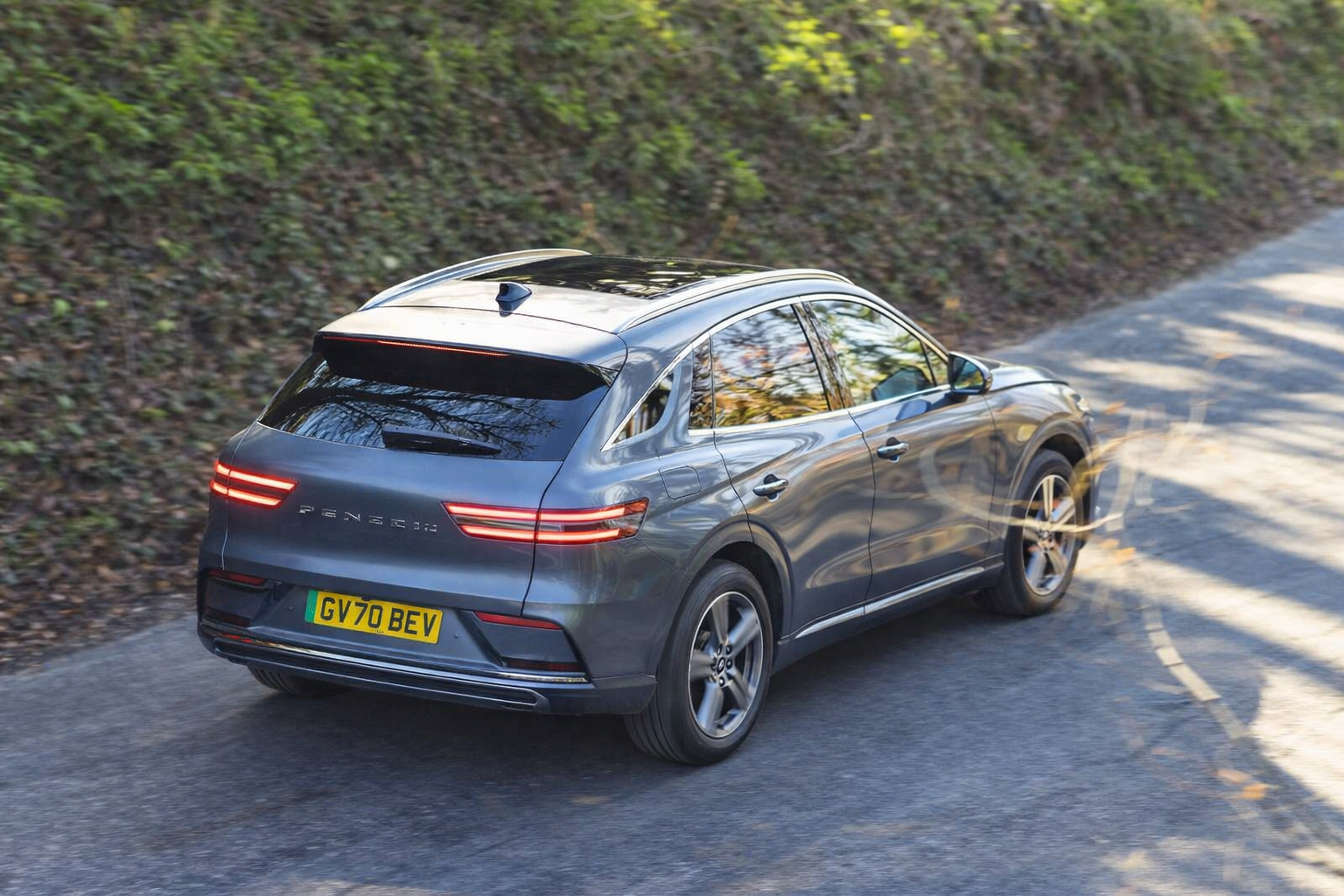
The front bumper has been redesigned with wider air intakes, rounded off with 19-inch dark hyper silver wheels (or 20-inch diamond-cut alloys on higher trims). At the rear, the parallel indicators are now integrated into the combination lights.

Elegant Interior

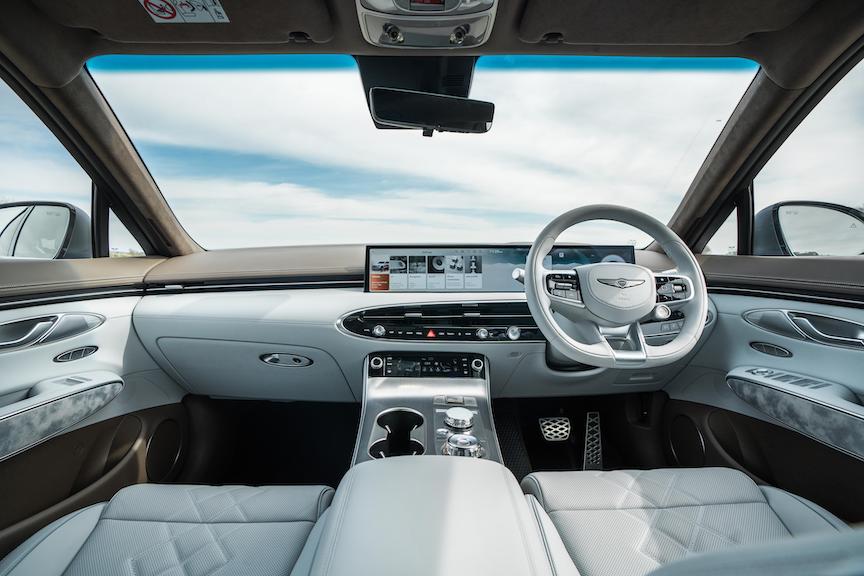
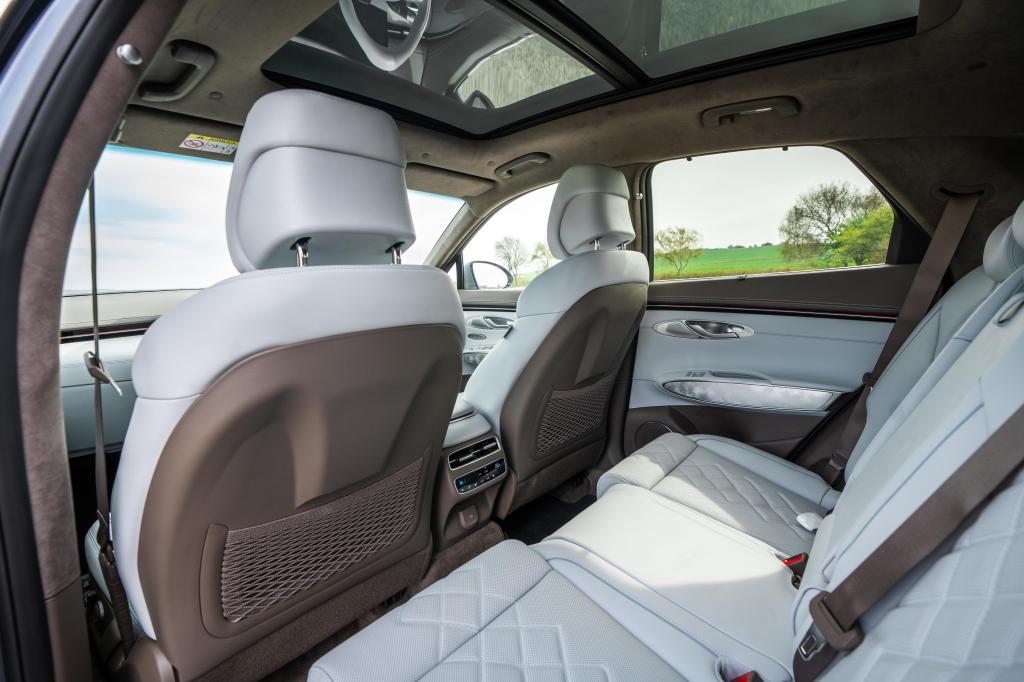
The cabin has a luxury feel with aluminium accents and pedals, ambient lighting with a new ‘Mood Curator’ function, and a premium soft-touch finish across the dashboard and centre console. Leather-style seats are heated and ventilated depending on the model, and head and legroom is generous.

The new 27-inch Connected Car Integrated Cockpit (ccIC) combines driver and infotainment screens into one seamless panoramic display.

Unlike many, which can oe hard to navigate, I felt it was really intuitive.

It supports OTA updates via Genesis Connect Services. You can also use Digital Key 2 to lock and start the car with your smartphone, and fingerprint authentication adds a nice layer of security.

The touchscreen can also be operated via a rotary dial – but don’t confuse it with the nearby gear selector, which I nearly did a couple of times. There’s also a UV light-sanitising compartment in the armrest. A bit gimmicky, but handy for phones or keys.

Neat touches include the two main binnacle dials turning into cameras to show the road when the indicator is activated, and the wing-style logo fading from view when the ignition is switched off. Again gimmicky, or classy, depending on your mood.

Electric performance

It is blindingly quick off the mark. The upgraded 84kWh battery powers a dual-motor setup delivering 490PS in Boost mode and 700Nm of torque – especially noticeable during motorway overtaking. It hits 62mph in 4.4 seconds, aided by a ‘boost’ button on the steering wheel that gives you full poke for about ten seconds. That makes overtaking a breeze and feels safe.

Genesis has also thrown in Virtual Gear Shift, which tries to mimic a conventional automatic gearbox. A bit quirky in an EV, but some may welcome it.

Claimed range is up to 287 miles with 20-inch wheels (or 298 miles on 19-inch wheels), assisted by smart regenerative braking 2.0, i-Pedal, and a standard heat pump to maximise range in colder climates.

Rapid charging

Charging times are impressive. The 800-volt architecture delivers ultra-rapid charging at up to 240kW. Under optimal conditions, you can charge from 10 to 80% in just 19 minutes – coffee-and-a-loaf-of-bread territory. No more arriving at a rapid charger only to watch the speed crawl because the battery is cold.

An intelligent battery heating system (now manually adjustable via the infotainment screen) keeps charging consistent in lower temperatures.


Ride and handling

The GV70 delivers a comfortable yet agile drive, even on rough roads. For a large SUV, it handles impressively well, with adaptive suspension effectively reducing body roll.

The all-wheel-drive system has three selectable terrain modes (Snow, Sand, Mud), plus a new AI-powered Auto Terrain mode that analyses road conditions in real-time and adapts automatically. It pretty much went under the radar for me. Which is good.

Practicality and safety

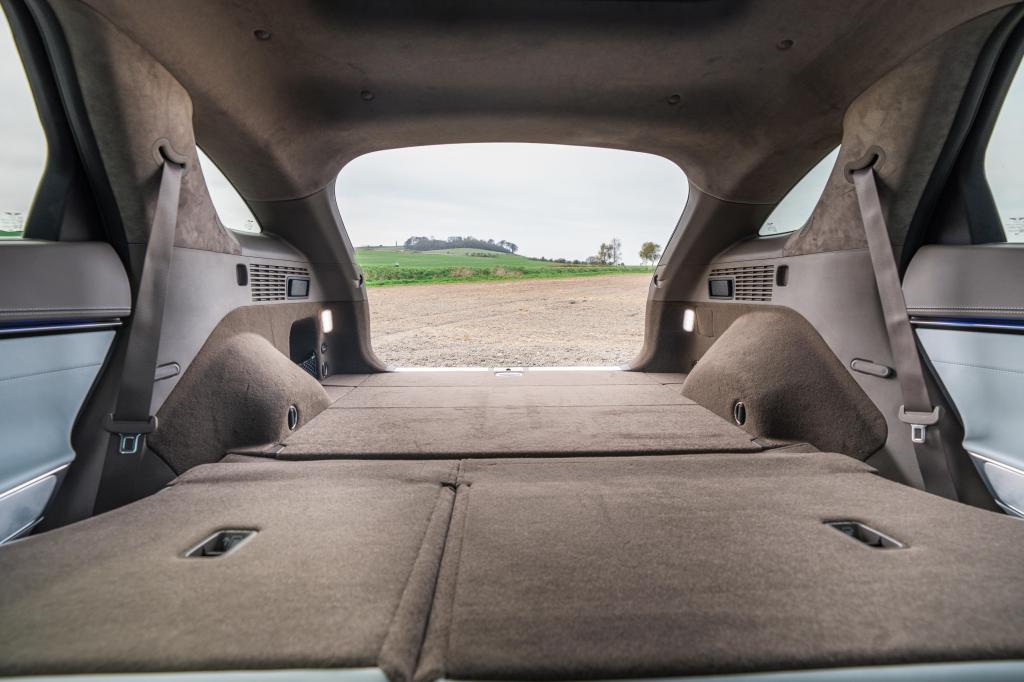
The powered boot offers 503 litres, expanding to cavernous 1,675 litres with the 60/40 split rear seats folded. There’s also the usual array of cubby holes and holders throughout the cabin. Unlike some EVs, there’s no frunk under the bonnet for extra storage space.

Safety kit includes blind-spot monitoring, evasive steering assist, smart cruise control, lane following assist, driver attention warning, forward collision alert with pedestrian and cyclist detection, and a full complement of airbags. Parking is handled by Parking Collision-Avoidance Assist (PCA), which works in reverse, forward, and side scenarios.

Factfile

GENESIS ELECTRIFIED GV70 Luxury

  • Price: £74,915
  • Mechanical: 490PS electric motor and 84kWh battery (approx. 80kWh usable) driving all four wheels via single-speed automatic transmission
  • Max Speed: 145mph
  • 0-62mph: 4.4 seconds
  • Range: 287 miles (WLTP)
  • Insurance Group: 50
  • CO2 emissions: 0g/km
  • BIK rating: 4%
  • Warranty: 5 years/unlimited mileage