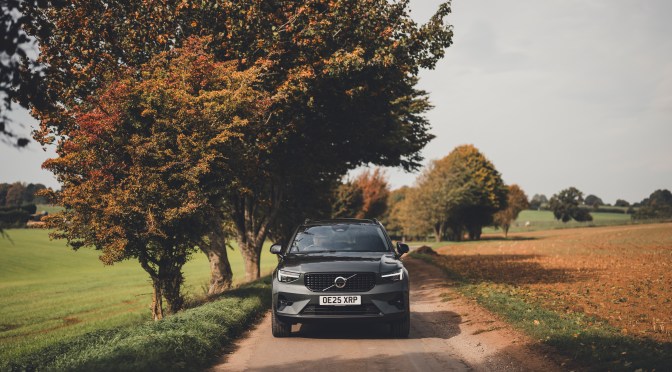
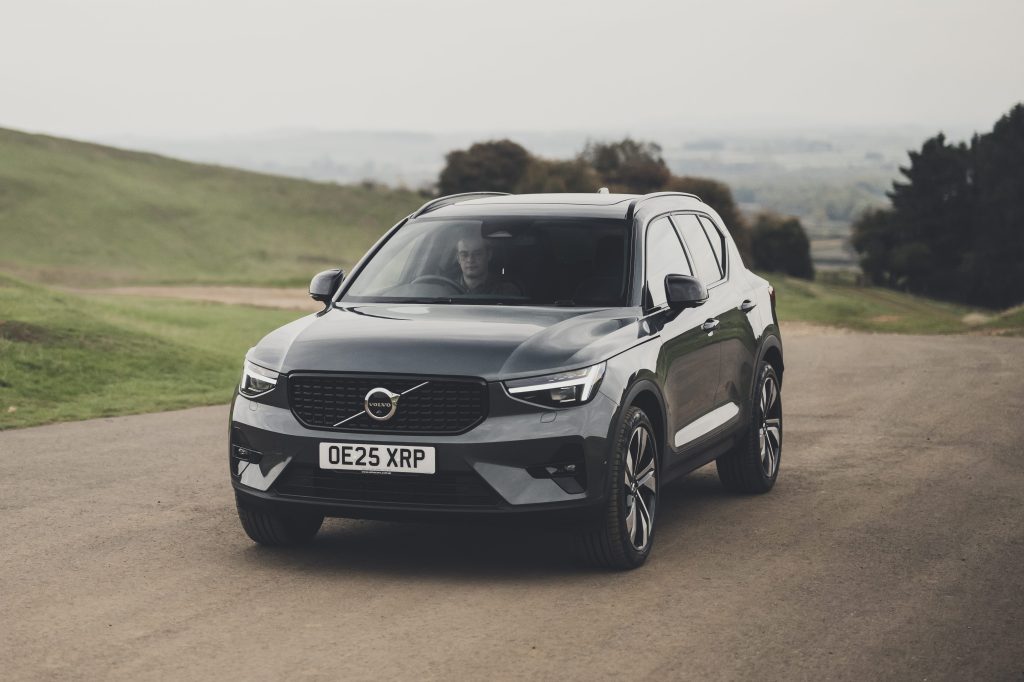
Volvo XC40 B3 Plus
By Bill McCarthy
There was a time when a Volvo meant vast estates with the aerodynamic grace of a garden shed. They were revered for safety: rolling fortresses and pioneers of the three-point seatbelt and side-impact protection. That reputation endures in the latest models. Volvo has softened its 2030 electric-only goal and now aims for 90–100% electrified sales by 2030. Plug-in hybrids and mild hybrids remain, with no fixed end date for combustion. This mild-hybrid petrol sits in that pragmatic bridge.
Despite Volvo calling the XC40 a cousin to its larger SUVs, it is a chip off the same block: premium, tech-rich and, higher up, available with all-wheel drive.
Exterior: boxy but premium
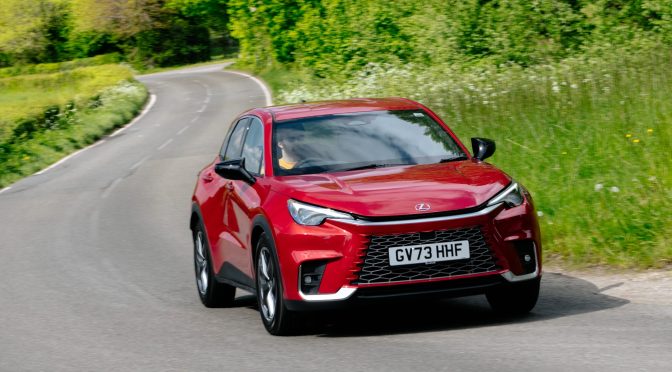
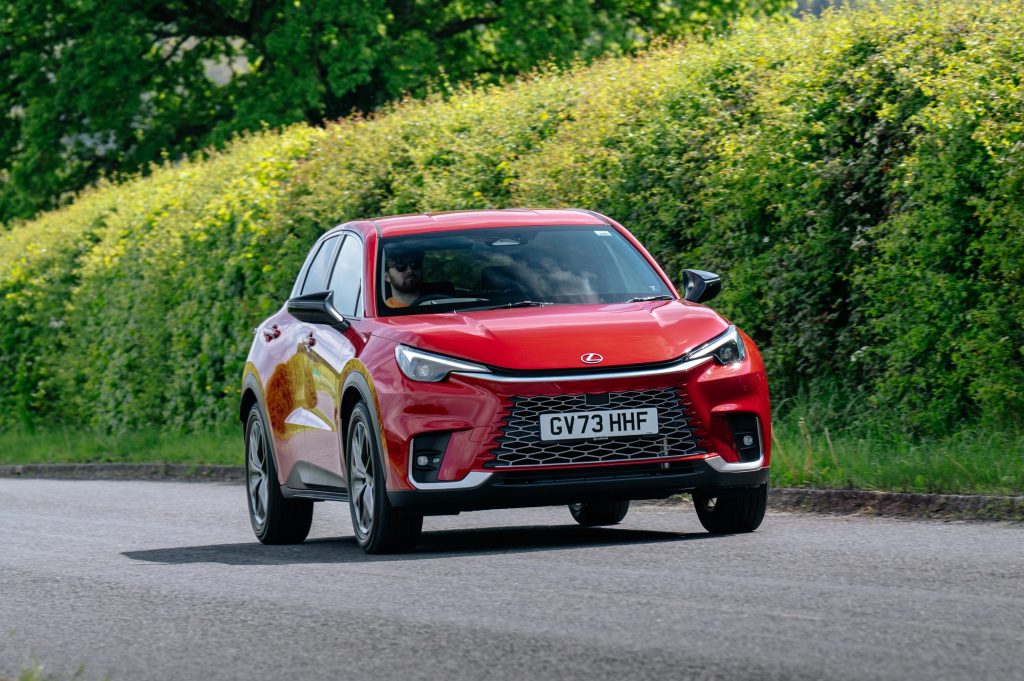
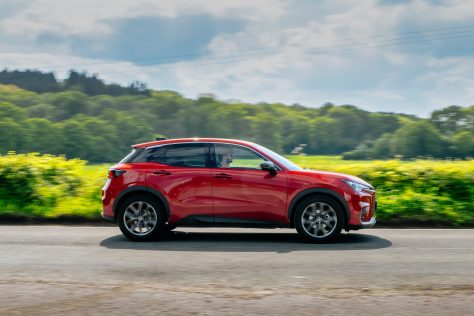
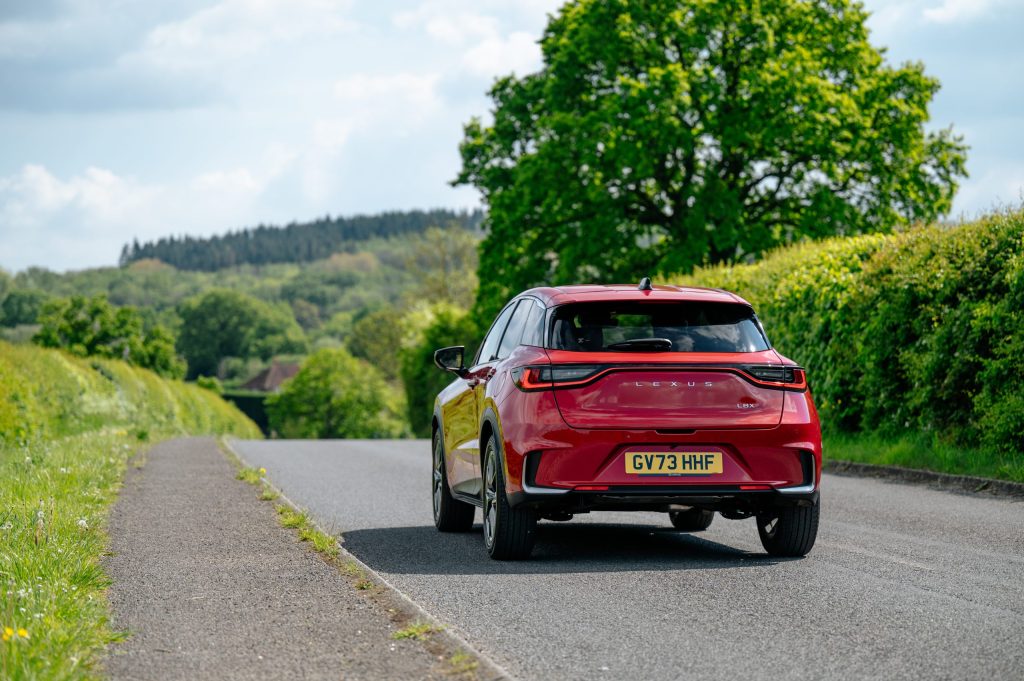
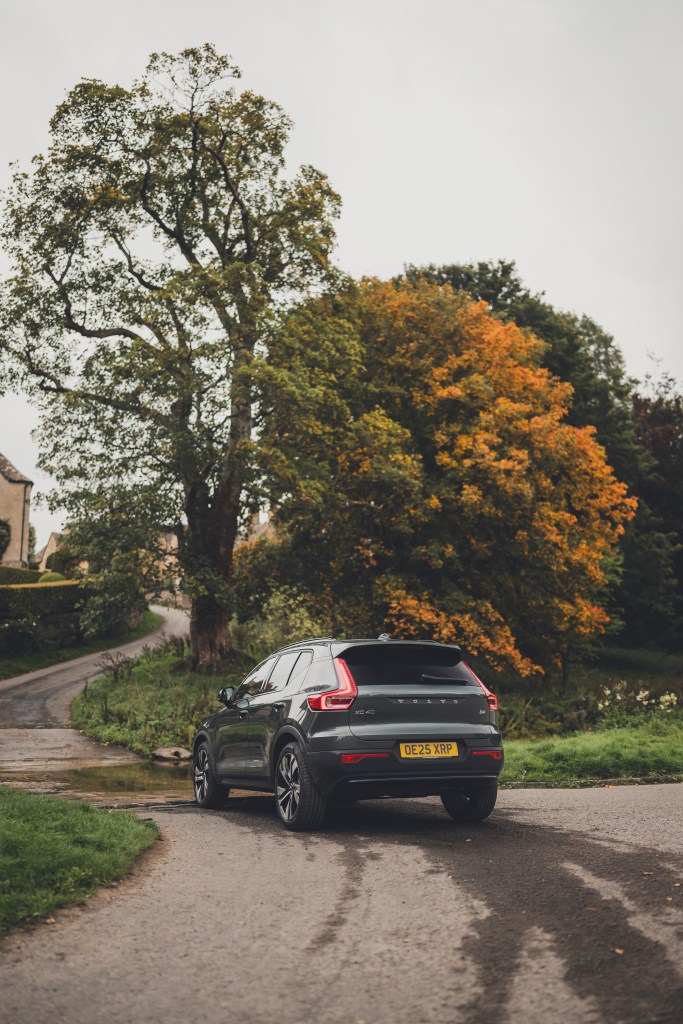
Style-wise, it features the now-signature “Thor’s Hammer” LED lights, stylish clusters and striking alloys. The exterior is boxy yet modern, with clean lines, a high beltline and a neatly sculpted rear, giving it a smart, compact premium presence.
Interior: minimalist, comfortable and tech-rich
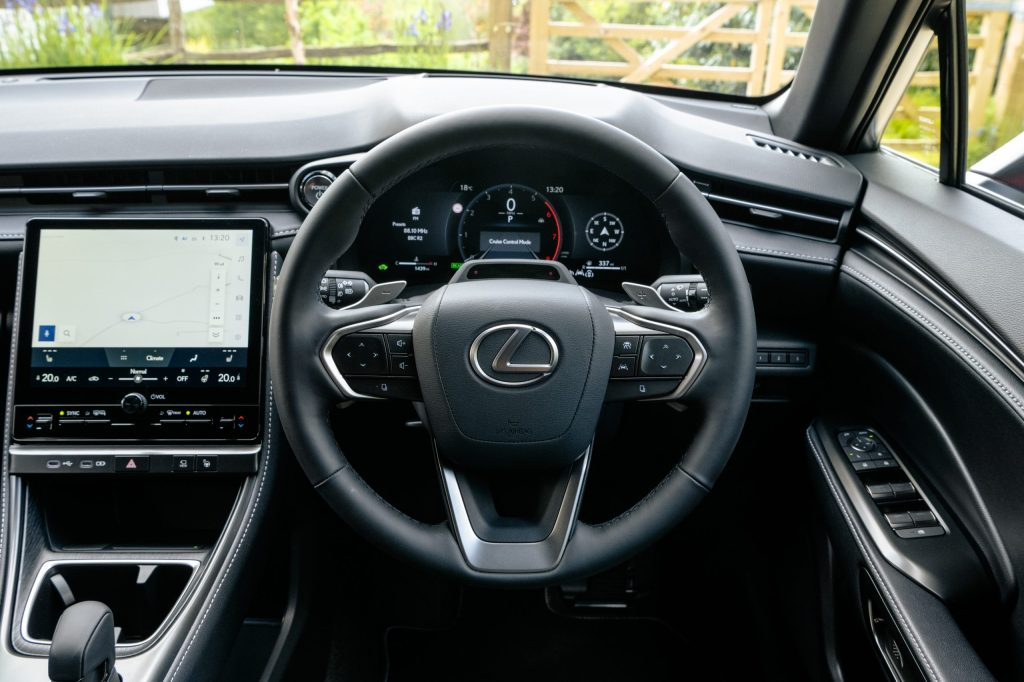
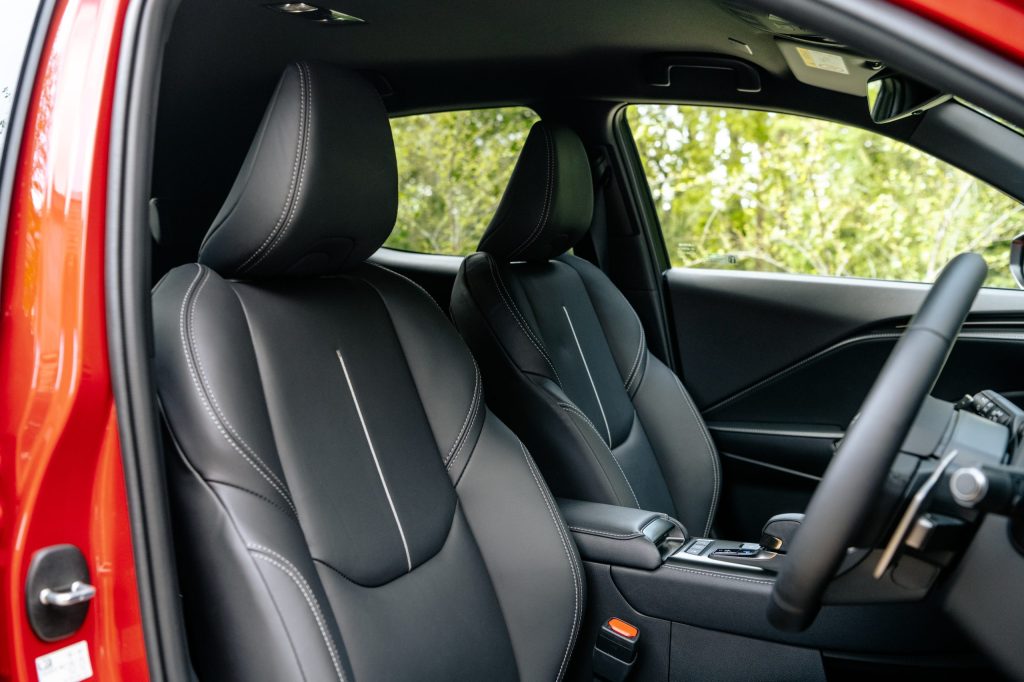
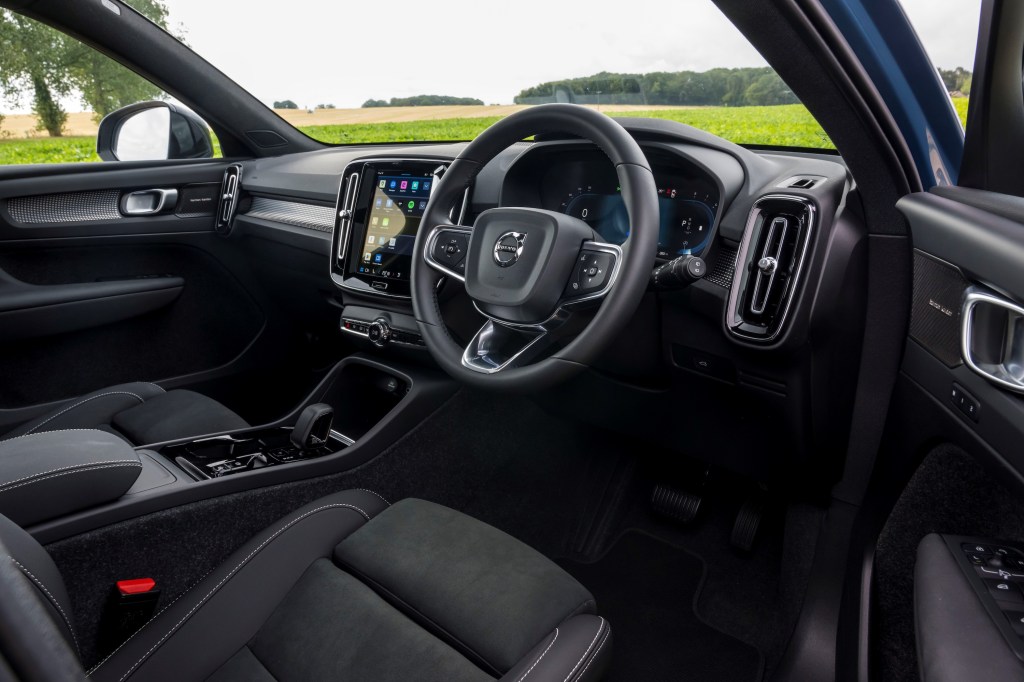
Step inside and the XC40 and the suede and Microtech upholstery feels posh yet tough and a smashing leather alternative. The cabin’s clean, calm and uncluttered, classic Swedish through and through.
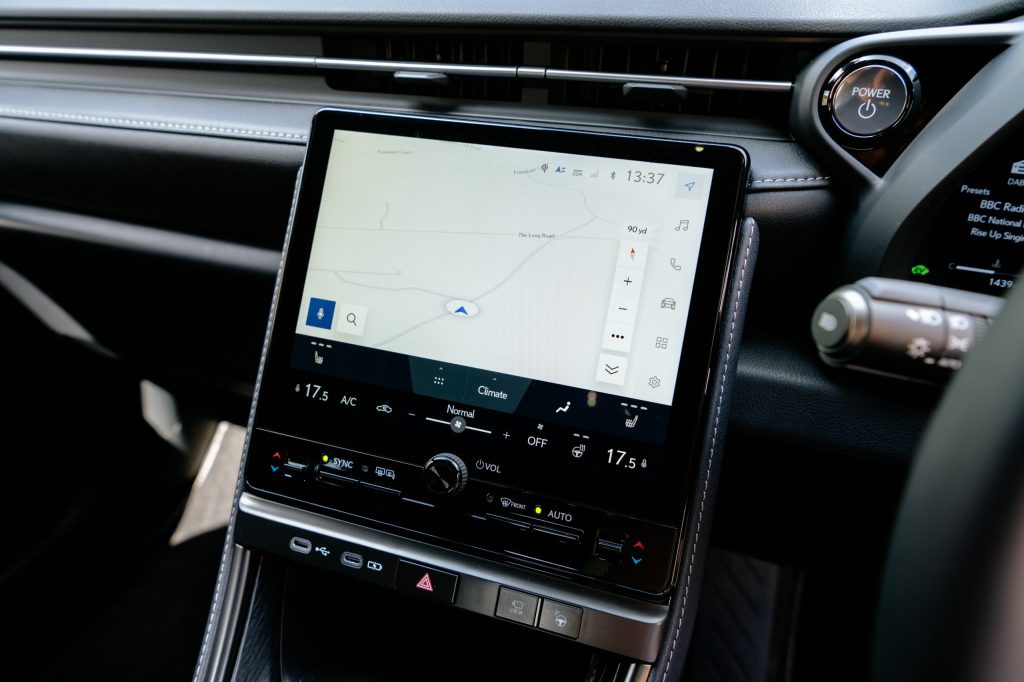
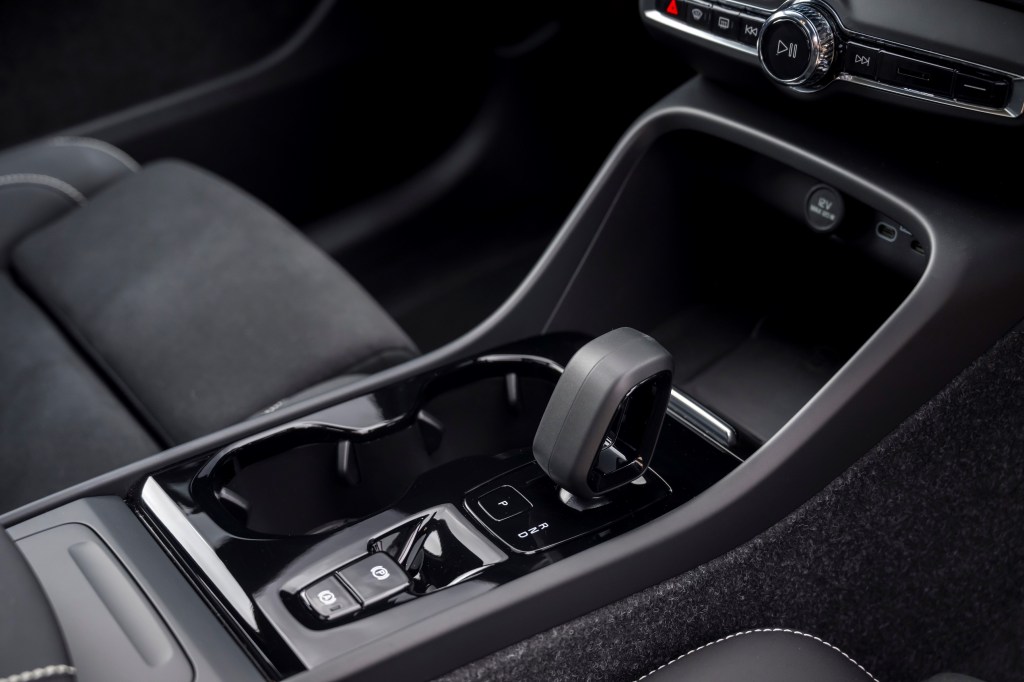
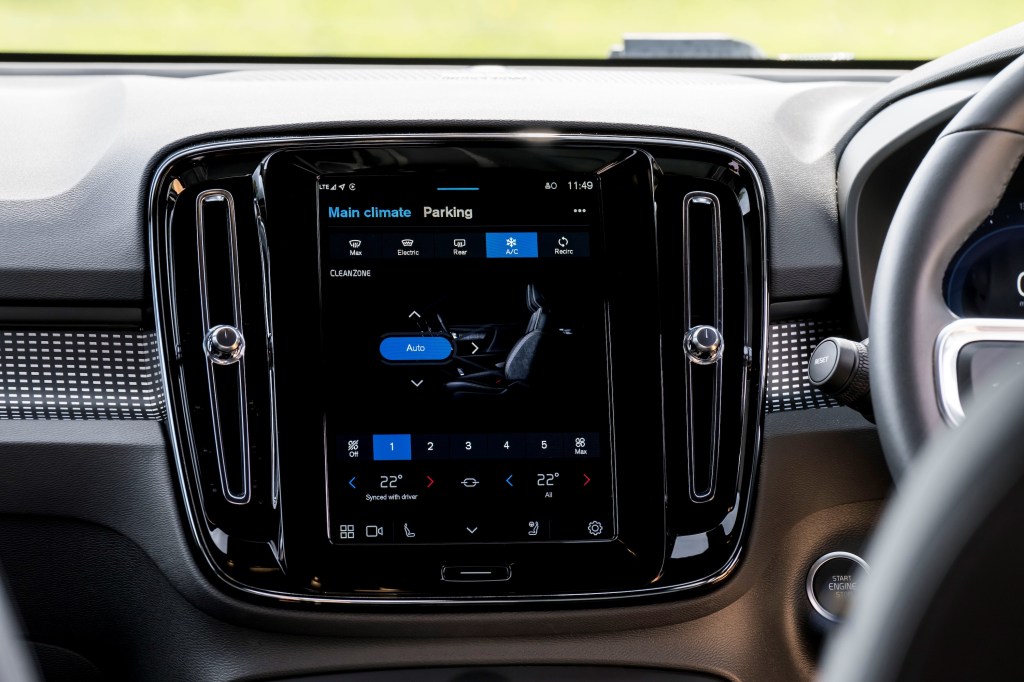
You sit up high with big windows all round, so visibility good, and the neat little gear selector keeps the centre console tidy. A nine-inch touchscreen runs Google Automotive Services, with Google Maps and live traffic – though for connectivity, your phone still needs a USB lead. The 12.3-inch driver’s display is sharp, but I’d happily swap a few menus for some proper buttons. Two-zone climate control, heated front seats, a power tailgate and a rear parking camera with sensors all come as standard.
Comfort is where it really scores. The front seats are supportive and pleasantly firm – just the right side of cosy – with plenty of adjustment . You perch up high with a commanding view, and long journeys slip by easy. The cabin feels light and airy, though room is at a premium in the back seats – fine for kids and shorter trips, but not the last word in legroom.
Powertrain and performance
Under the bonnet sits a 1,969cc turbocharged four-pot mild-hybrid petrol powerplant. It’s a smooth unit deliver 163hp and 265Nm – and it sends power to the front wheels through an automatic that shifts without fuss.
It’s no speedster. Volvo quotes 0–62mph in 8.6 seconds and a 112mph top end, which is plenty for merging, overtaking and getting away from an emergency, but it won’t pin you to your seat. Claimed economy is 39.2–42.7mpg, but my test run came in nearer 37mpg.
For company car drivers CO₂ of 149–164g/km lands it in the 35% BIK bracket.
On the road
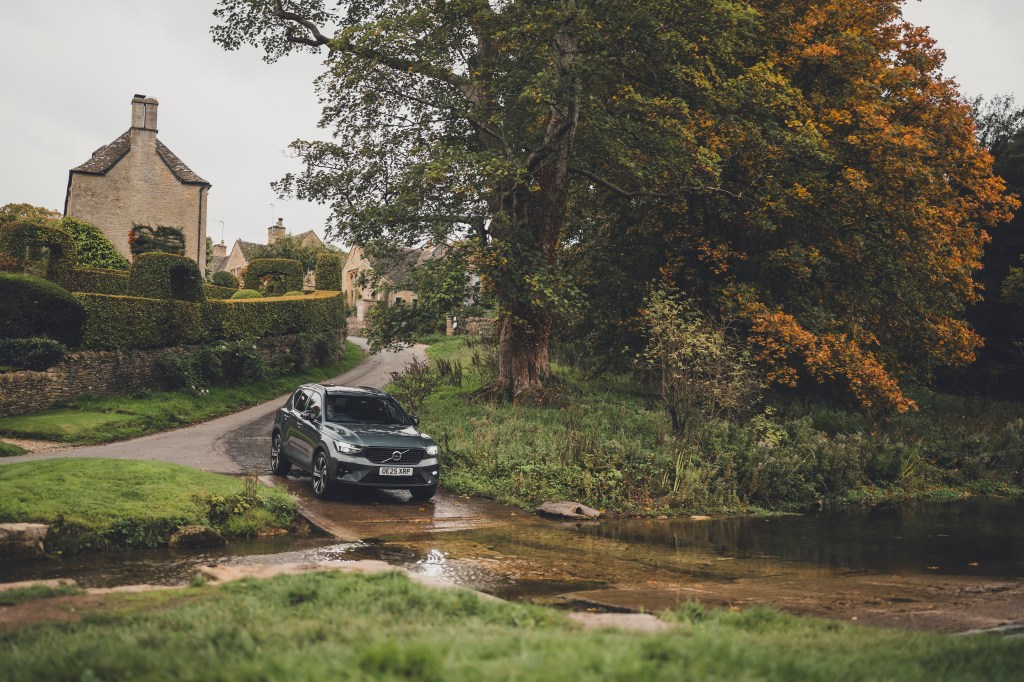
Out on the road, the first thing that strikes you is just how refined it feels. The engine goes about its business quietly and smoothly, all polished manners, and it’d really rather you didn’t thrash it. Ask for a burst of speed and it’ll oblige – quick enough to nip into a gap or overtake without a sweat – but it never feels properly fast.
Through a Peak District journey, it was composed rather than racy, with responsive steering and tidy body control. It’s set up for comfort, not for carving throught corners. Where it really earns its keep is on the motorway where a long journey it settles into a relaxed, easy gait. Road noise is kept well in check, and the ride stays comfortable at motorway speeds. Not a hot hatch, then – more a comfy armchair on wheels.
Practicality and ownership
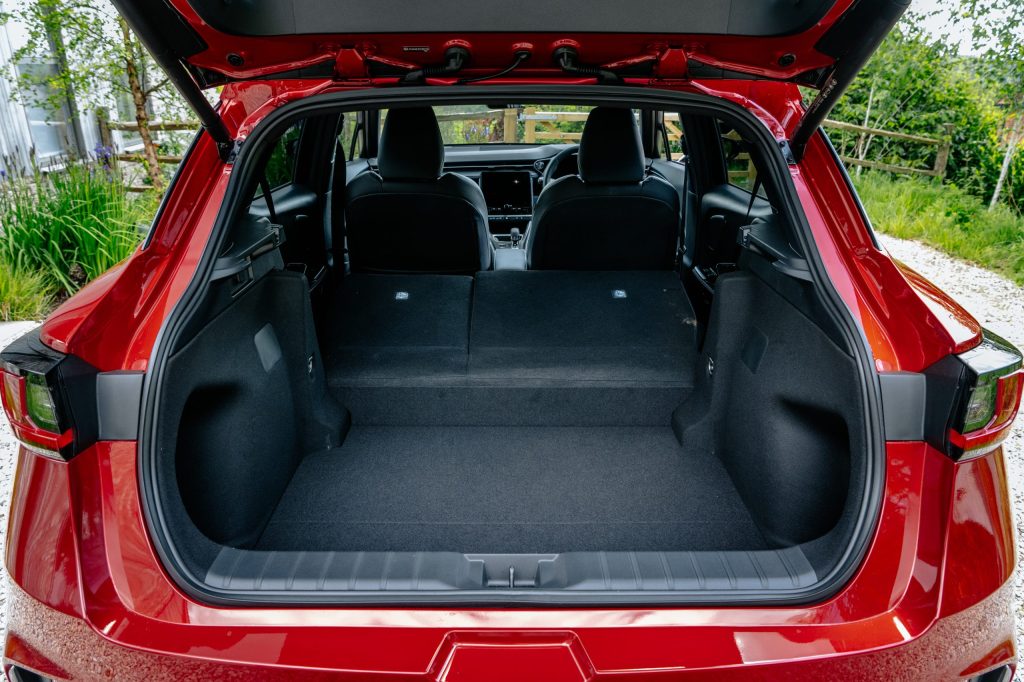
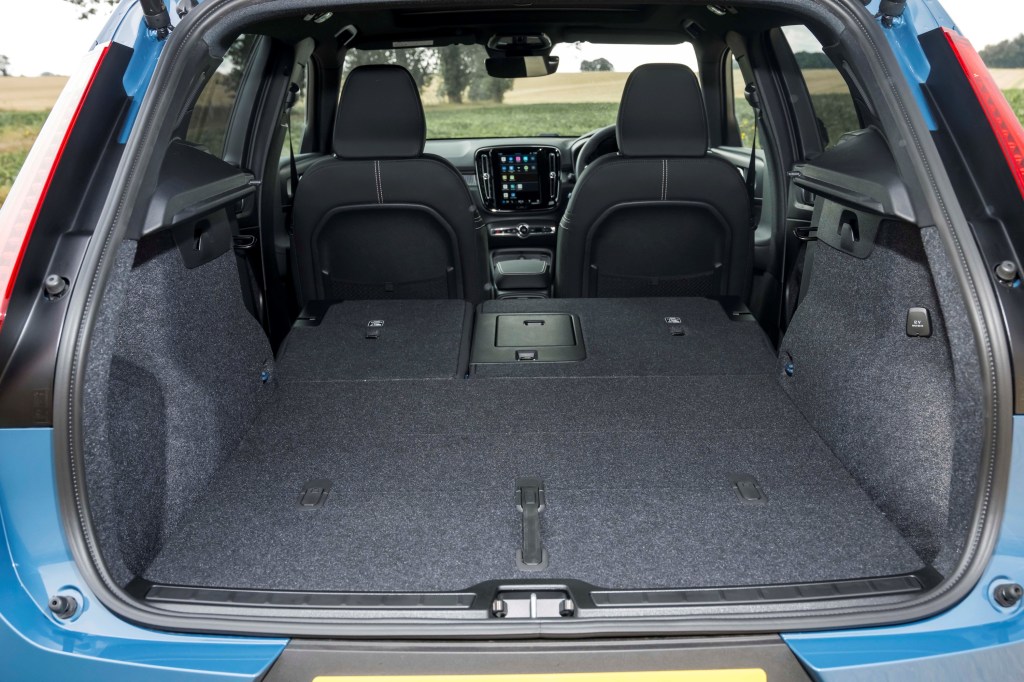
The XC40 is genuinely practical. The 443-litre boot swallows a weekly shop, weekend-away bags or decent-sized loads for the local tip. Cost-wise it is competitive but not class-leading: £40,260 for Plus trim is fair, yet it faces many talented premium rivals.

Safety
Safety is the standout. City Safety with Steering Support watches for pedestrians, cyclists and cars, even at junctions. Oncoming Lane Mitigation steers you back if you drift over the centre line, while Run-off Road Protection tightens the seatbelts if you leave the road.
The verdict
The XC40 B3 Plus isn’t the fastest or flashiest compact SUV, but it doubles down on Volvo’s strengths: safety, style and sensible luxury. It’s willing rather than quick, and the 35% BIK rating will rule it out for some company drivers. Still, it charms with a premium cabin and excellent infotainment. For families prioritising calm and safety over pace, it’s one of the most reassuring compact SUVs on sale – and proof that safety and style can go hand in hand.
Factfile
Model: Volvo XC40 B3 Plus
Price: £40,260
Mechanical: 163hp (165 PS), 265Nm, 1,969cc turbocharged four-cylinder mild-hybrid petrol, driving the front wheels via an automatic transmission
Max speed: 112 mph
0 to 62mph: 8.6 sec
Combined mpg: 39.2–42.7 mpg claimed; approx. 37 mpg on test
Insurance group: Not quoted
CO₂ emissions: 149–164 g/km
BiK rating: 35%
Warranty: 3yrs/60,000 miles