Tavascan offers striking design and impressive range

CUPRA Tavascan V2 77kWh

By Bill McCarthy

CUPRA originated as the performance division of SEAT. Both are part of the Volkswagen Group, with CUPRA now operating as a standalone premium brand focused on sportier design and enhanced dynamics. The Tavascan, the brand’s second dedicated electric vehicle, represents a key model in its transition to an electric lineup.

This coupé-SUV delivers a strong initial impact through its design and technology.

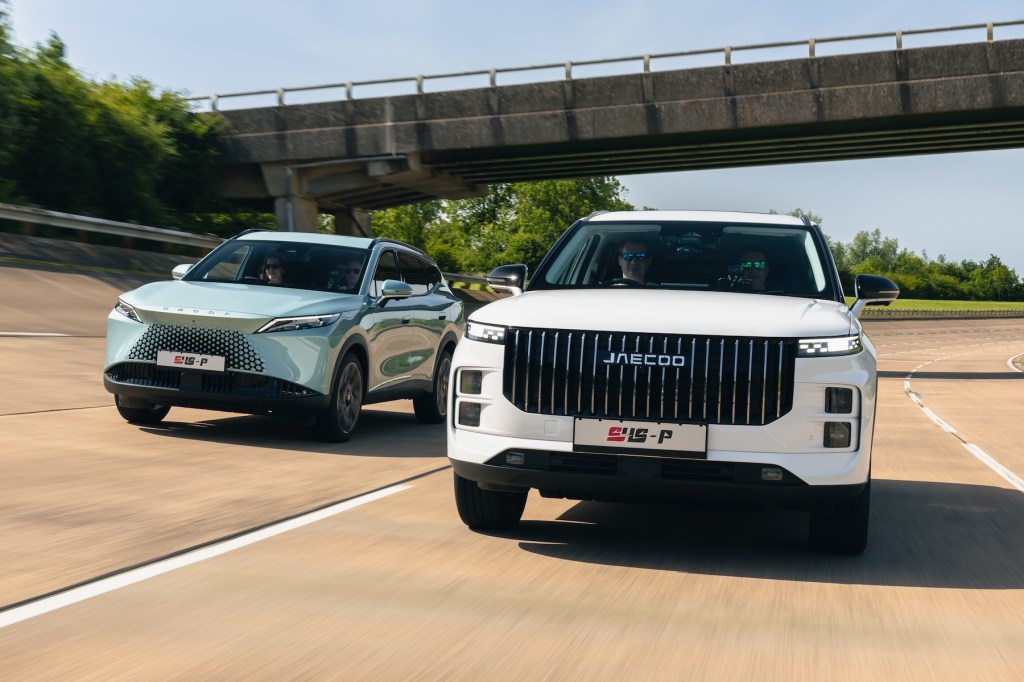
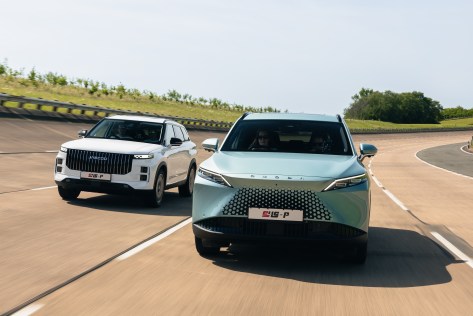
There is strong competition, notably from stablemates the VW ID.5 and the Skoda Enyaq, the Hyundai Ioniq 5 and Kia EV6, not to mention a host of new Chinese brands making their mark, including the BYD Seal and Omoda E5.

Design and Styling

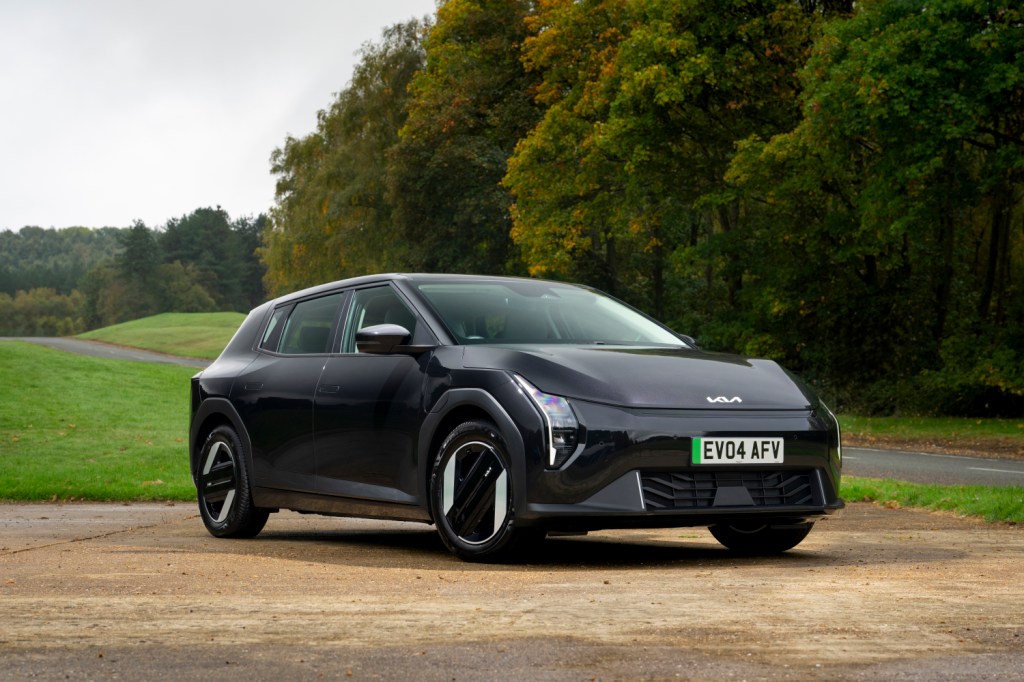
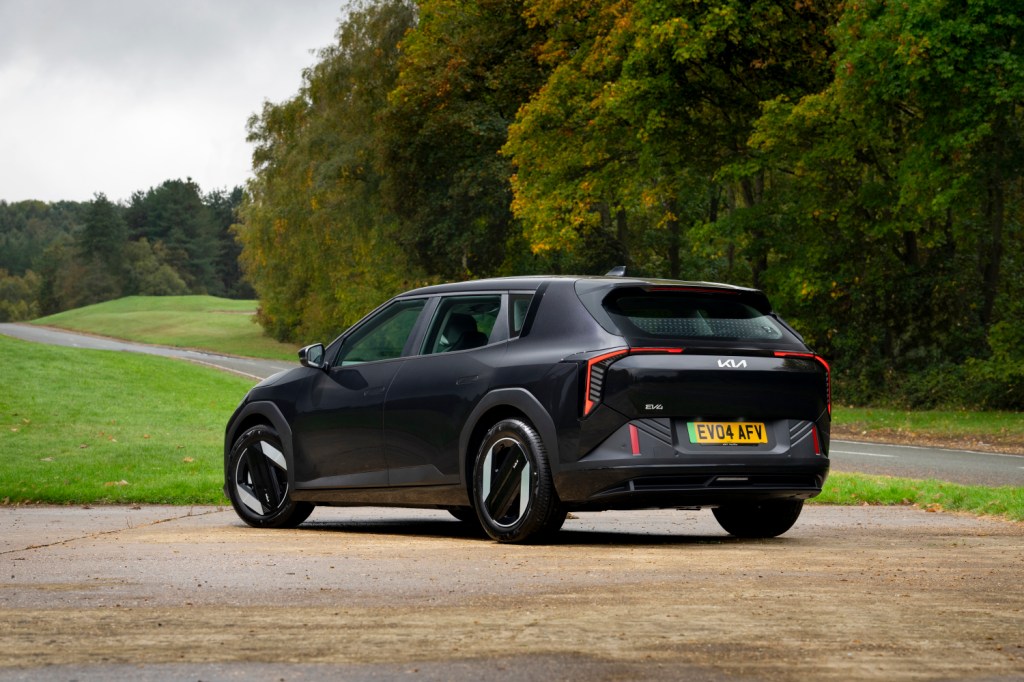
CUPRA says the Tavascan is rare among production cars because it keeps most of its concept vehicle’s bold character. It introduces a new, confident design language. Marketing speak, but it does stand out with its three-triangle LED signature, an illuminated badge, and a coupé-style flowing roofline. This makes it more efficient and helps with the range thanks to a drag coefficient of 0.26.

Interior and Technology

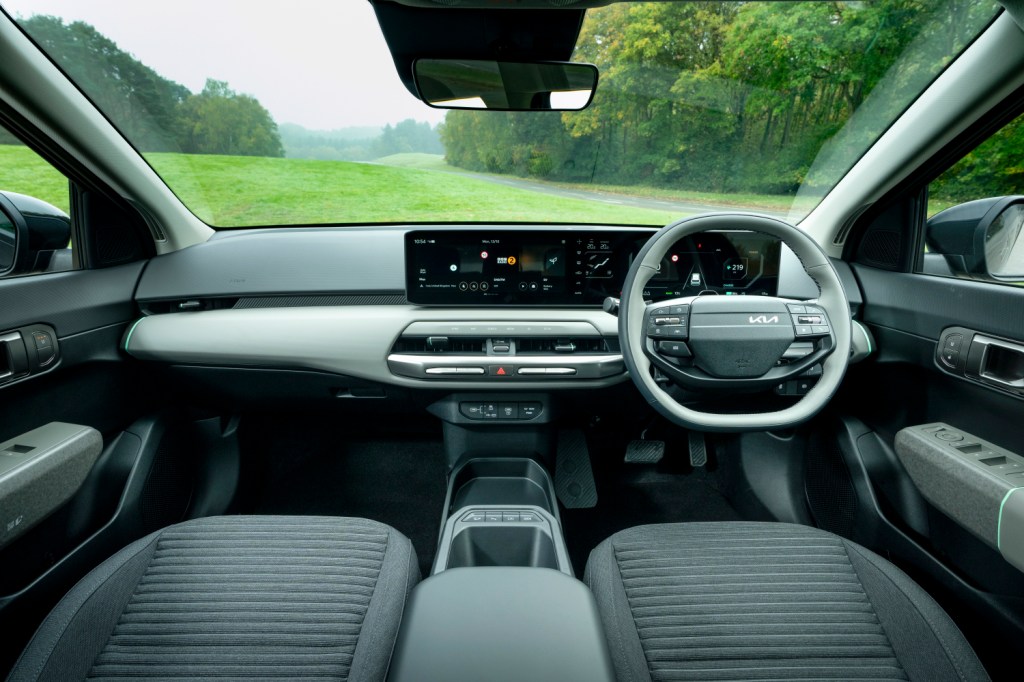
The cabin presents a vivid contrast of copper and black. It features sporty bucket seats, built around a central spine and a floating dashboard, and a mix of hi-tech and more traditional controls. Soft-touch finish is prominent and the cabin has a sporty feel.

The centrepiece is a 15-inch touchscreen which controls major features like connectivity, infotainment, app selection and navigation. Physical controls include a backlit touch slider for climate functions and three physical ‘diamond-cut’ toggle switches on the centre console.

Real-time information is delivered to the driver with a 12.3-inch digital instrument cluster. Another classy touch is the selectable ambient lighting and a star-constellation-like pattern of small, individual light points scattered across the door panel. It feels well engineered and robust.

Equipment levels are comprehensive, as you’d expect for a £54k-plus car, and include a 360-degree camera and remote parking, dual-zone automatic climate control, heated front seats and steering wheel, a wireless smartphone charging pad and multiple USB-C ports

On the road

It looks like it would be quick and it is. This rear-wheel-drive V2 model uses a 286 PS electric motor powered by a 77 kWh (net) battery. Acceleration is brisk as it hits 60mph in about 6.5 seconds and on to a top speed of 112 mph. There are multiple driving modes such as Range, Comfort, and Sport, depending on what kind of driving experience you want.

It has a claimed WLTP range of up to 353 miles, which might be obtained in perfect conditions, but with mixed weather, around 280-plus seemed nearer the mark. Charging capability includes 11 kW AC (0-100% in approximately 8 hours) and rapid 135 kW DC charging (10-80% in 28 minutes).

A heat pump, which preserves range in cold weather standard on this vehicle.

Handling is excellent with a low centre of gravity, allowing the driver to push hard through bends on twisting roads with confidence. The steering is well weighted, offering good feedback about the car’s agility.

However, one letdown is with the brakes. They feel vague and soft and don’t respond sharply until much more pressure is applied, which is disappointing for a car that promises a sporty drive.

Practicality

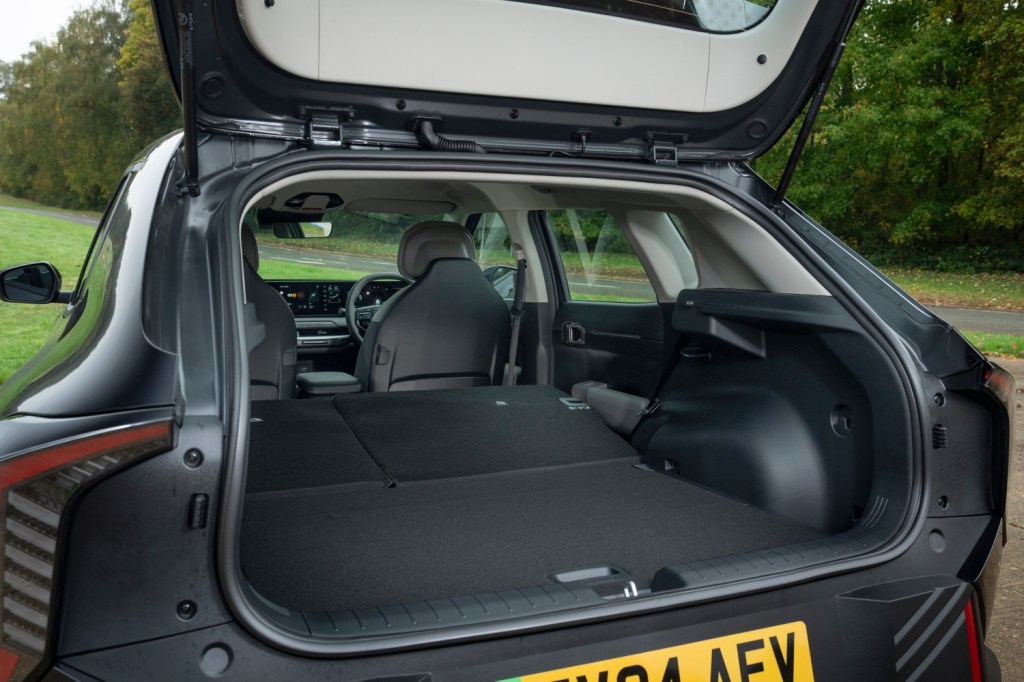
Despite its coupé-like profile, practicality is respectable. The cabin accommodates four adults comfortably, with reasonable head and legroom. Boot space is good, among the best in fact, with 540 litres. This increases to a cavernous 1,565 litres when the 40/20/40 split-folding rear seats are folded.

Vehicle-to-Load (V2L) capability, which allows you to power external devices (for example, a laptop or coffee maker) from the car’s battery.

Safety features

The vehicle is equipped with a comprehensive suite of Advanced Driver Assistance Systems (ADAS). Standard features include Connected Travel Assist with adaptive cruise control and lane guidance.

Verdict

The letdown is the brakes, which feel a bit soft and vague. For a car that looks this sporty, you’d expect a sharper response when you hit the pedal. 

Factfile

  • Model: CUPRA Tavascan V2 77kWh 286 PS

  • Price: £53,845

  • Mechanical: Single electric motor, rear-wheel drive, 286 PS, 545 Nm, 77 kWh (net) battery

  • 0-62 mph: 6.8 seconds

  • Top Speed: 112 mph

  • Range (WLTP): Up to 353 miles

  • Insurance group: 36
  • CO2 Emissions: 0 g/km

  • BiK Rating: 3%

  • Warranty: 3 years / 60,000 miles

Tayron a premium plug-in hybrid bridge to EVs

Volkswagen Tayron R-Line eHybrid

By Bill McCarthy

Volkswagen’s slick Tayron is the kind of vehicle that serves as a bridge for drivers not yet ready to commit to a full EV. This spacious plug-in hybrid boasts a standout interior. While I use the term sparingly, ‘ergonomic’ is apt here.

The cabin design is genuinely impressive, featuring a curved dashboard and seats engineered for exceptional comfort.
In automotive design, ergonomics is the science of tailoring a vehicle’s interior to the human form, minimising driver strain and fatigue while maximising comfort, safety, and overall efficiency. It works here.

It is already proving popular and by the end of 2025 had sold just short of 4,000 models in the UK in nine months.

Design and styling

Measuring almost 4.8 metres long, the Tayron features up to seven seats, but it is available as a five-seater only in this plug-in version.
The smart looks are further enhanced with this range-topping R-Line finish, which adds sharp, body-coloured bumpers, 20-inch alloy wheels, and signature LED lighting front and rear, including illuminated Volkswagen badges. Also included is a tilting, sliding panoramic roof.

The cabin has a premium feel, and this model does, after all, carry a £57k price tag, above the standard £50,210, with all the optional bells and whistles.
It features specialised R-Line microfibre upholstery with blue piping, which feels high-end and hard-wearing. Head and legroom are excellent, and the whole cabin feels spacious, air and well engineered.
The standard 12.9-inch infotainment display controls major functions like infotainment, phone and app connectivity, and navigation.
It is further enhanced on this test model with the £1,160 Infotainment Package Plus, adding a larger 15-inch screen and a head-up display. 

Interior and technology

The 10.25-inch Digital Cockpit Pro is standard and delivers real time information to the driver.
An extensive list of driver aids and electronic features includes an automatic dimming interior rear-view mirror, electronic air conditioning, and electrically heated, adjustable, and foldable door mirrors with puddle lighting. Additional lighting features include dynamic cornering lights and coming/leaving home functions.

Performance

Power is via a 1.5-litre turbocharged petrol engine combined with an electric motor and a 19.7 kWh battery. The system deliver272 PS and 400 Nm of torque through a 6-speed DSG automatic transmission.
This setup offers practical flexibility. On battery power alone, it can cover a claimed 60-70 miles (70 miles WLTP), sufficient for most daily commutes. When needed, both systems work together for responsive acceleration. However, there was some evidence of wheelspin, even when not flooring the accelerator. 

The official WLTP fuel economy is 165.0 mpg – a nominal figure dependent on regular charging – but it indicates the potential for low running costs if the battery is kept charged

On the road

The Tayron’s advanced suspension setup and chassis dynamics deliver a pleasing driving experience. The petrol/electric combination offers plenty of power with swift acceleration to 60 mph in just 7.3 seconds. While not the quickest, (it’s still quick), its handling more than compensates.
It potters along happily on electric power in the city, but open it up on faster roads and the optional Adaptive Chassis Control (DCC Pro) and Vehicle Dynamics Manager keep the vehicle stable and balanced even on the tightest bends, with minimal body roll for a large SUV.
On the motorway, it’s a relaxed cruiser, with wind, road, and engine noise suppressed – which is the least you would expect from a car with a price tag of just over £57k.

Practicality

As a five-seater in a potentially seven-seat body, storage areas are huge. The boot offers a substantial 525 litres with the seats up. These can be reclined or folded completely flat, opening up to 1,610 litres.
It supports AC charging at up to 11 kW (a full charge in 2h 30m) and DC rapid charging at 40 kW (5-80% in 26 minutes).

Safety and driver assistance

Comprehensive safety features include full airbags, autonomous emergency braking with pedestrian and cyclist detection, junction braking assist, lane-keeping, adaptive cruise control, and available 360-degree parking camera.

Verdict

The Tayron R-Line eHybrid combines efficient electric driving for daily use with a petrol engine for longer trips, all within a high-quality, tech-rich package. A decent driving experience, despite the wheelspin, it is practical and economical.

Factfile:

  • Volkswagen Tayron R-Line 1.5 TSI eHybrid 272 PS
  • Price (as tested): £57,025
  • Powertrain: 1.5-litre turbo petrol + electric motor, 272 PS, 400 Nm, 6-spd DSG auto, FWD
  • 0-62 mph: 7.3 seconds
  • Top Speed: 134 mph
  • Electric Range (WLTP): 70 miles
  • el Economy (WLTP): 165.0 mpg
  • CO2 Emissions: 39 g/km
  • BiK Rating: 7%
  • Warranty: 3 years / 60,000 miles

Welcome to this site