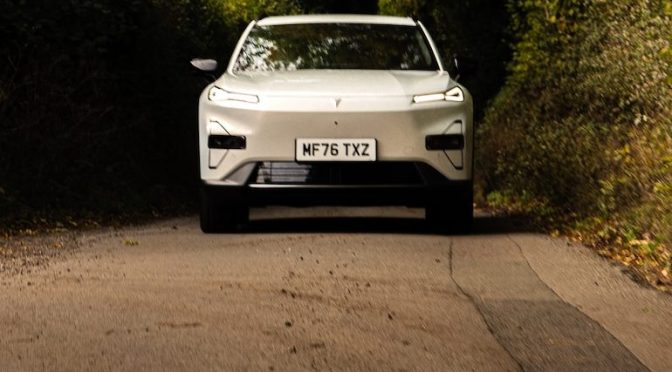
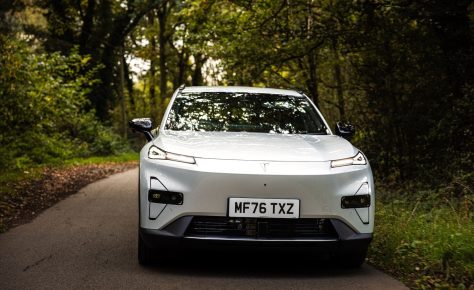
Changan Deepal SO5 Ultra hybrid
By Bill McCarthy
The Changan may still be unfamiliar to many, but it is no fresh-faced newcomer and is expanding its UK dealership. It has been building cars in China for over 40 years, has sold more than 30 million worldwide, and has quietly run an R&D centre in Birmingham for over a decade.
Its first UK car, the Deepal S07, arrived last year. The smaller S05 EV followed earlier this year. Now there’s the S05 Ultra Hybrid — Changan’s name for a plug-in hybrid. Some brands love using superlatives for their power plants. It comes in two specs, Pro and Max, starting at just under £33k.
The Birmingham site employs more than 100 engineers whose job is to ensure cars like the S05 are tested, validated and tuned for UK roads. That matters more than it sounds — a car tuned for Chinese roads can feel wrong on a B-road in Warwickshire.
The warranty is worth flagging early on – seven years or 100,000 miles on the car, eight years or 124,000 miles on the battery.
Styling and specifications
The big change is under the skin. The 1.5-litre petrol engine mostly acts as a generator, charging the battery, which powers the front wheels through a single automatic gearbox. In EV mode the car runs on electricity while charge stays above about 23 per cent; the engine only fires under hard acceleration or to top the battery up. A Pure EV setting lets you force the issue.
Hybrid Auto does the balancing for you: the battery drains to around 15–20 per cent, then the engine generates electricity to hold it there. Hybrid Manual lets you set a target battery level from 30 to 80 per cent, so you can save electric range for the urban leg or a congestion-charge zone. Clever and genuinely useful.
The numbers are strong: 62 miles of EV range, 648 miles total. Even with the battery flat, the petrol engine returns around 52.3mpg and emits 47g/km of CO2. Unlike most plug-in hybrids, this one takes DC rapid charging at up to 55 kW — a 30–80 per cent top-up takes about 15 minutes.
Drive modes
Eco, Comfort, Sport and Custom, plus three unusual modes: Emergency mode, for when you lack range to reach your destination; Stationary Self-Charge, which runs the engine while parked to charge the battery; and Comfort Braking, which smooths out the brakes.
What’s on offer
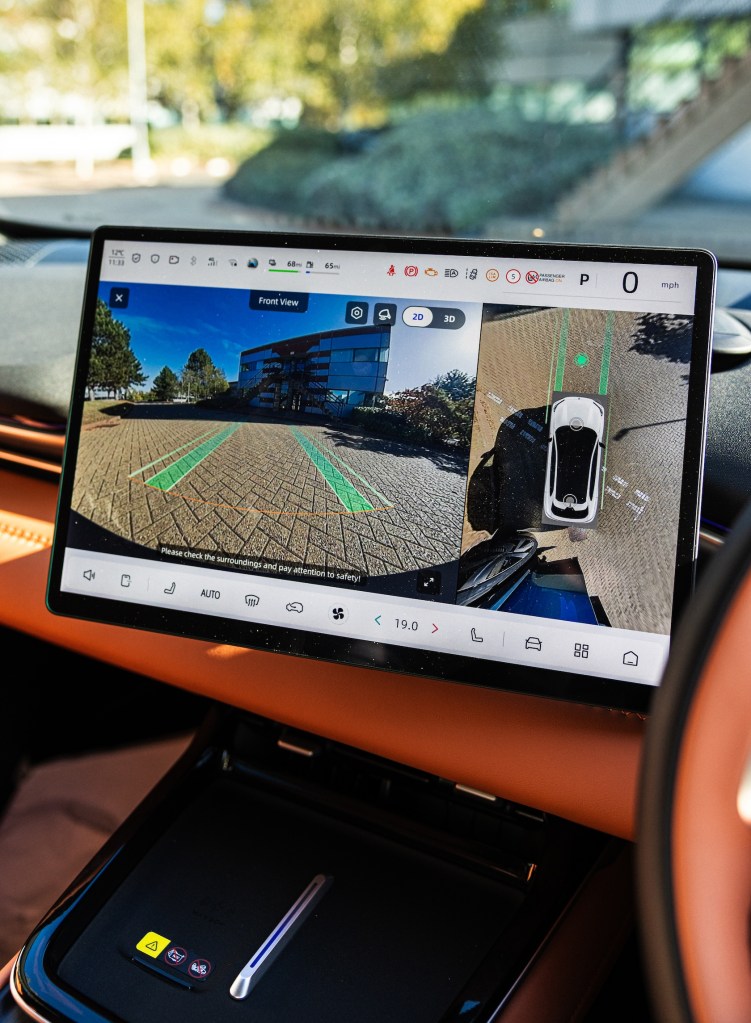
Vegan leather comes as standard, along with Apple CarPlay, Android Auto, a 50W wireless charger, keyless entry and a tilting 15.4-inch touchscreen across the range.
The Max trim adds an augmented reality head-up display, a heated steering wheel, heated and ventilated front seats with memory, an auto-dimming rear-view mirror, 64-colour ambient lighting and a 14-speaker audio system; the Pro makes do with eight speakers.
The standard kit list looks generous for the money, with a minimalist look, although some plastics could be better than you get for this price.
Aircraft inspired?
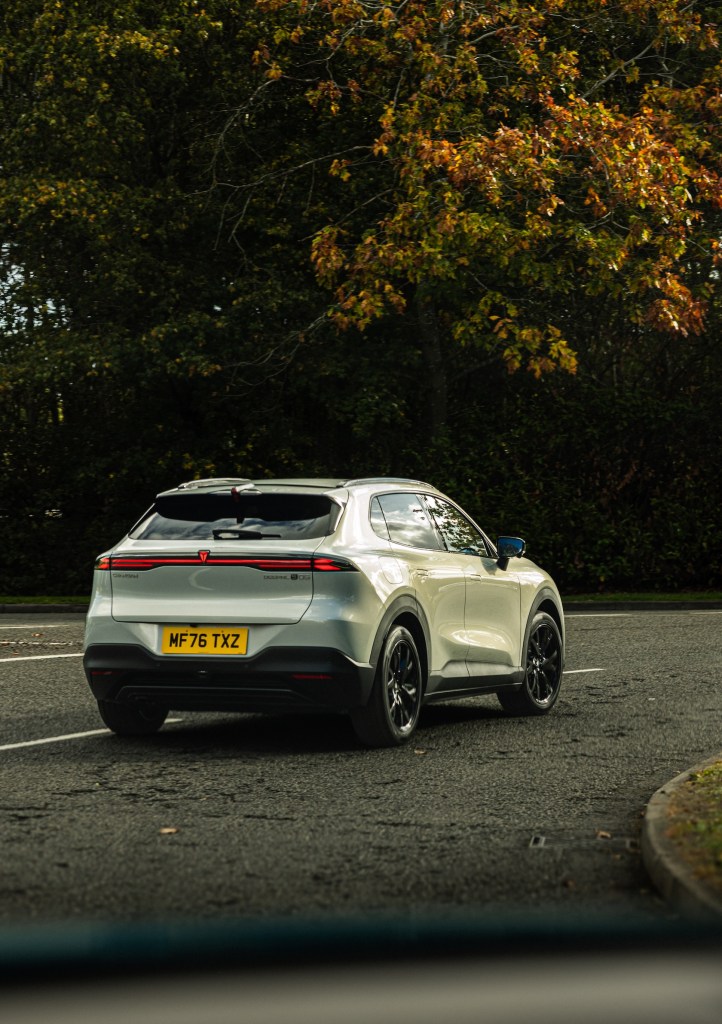
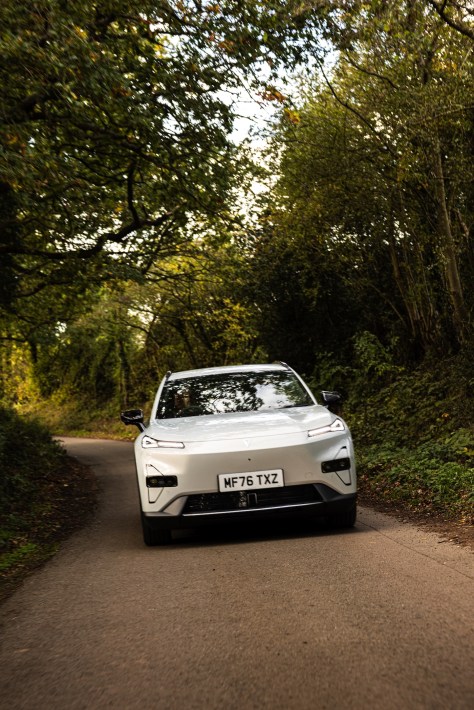
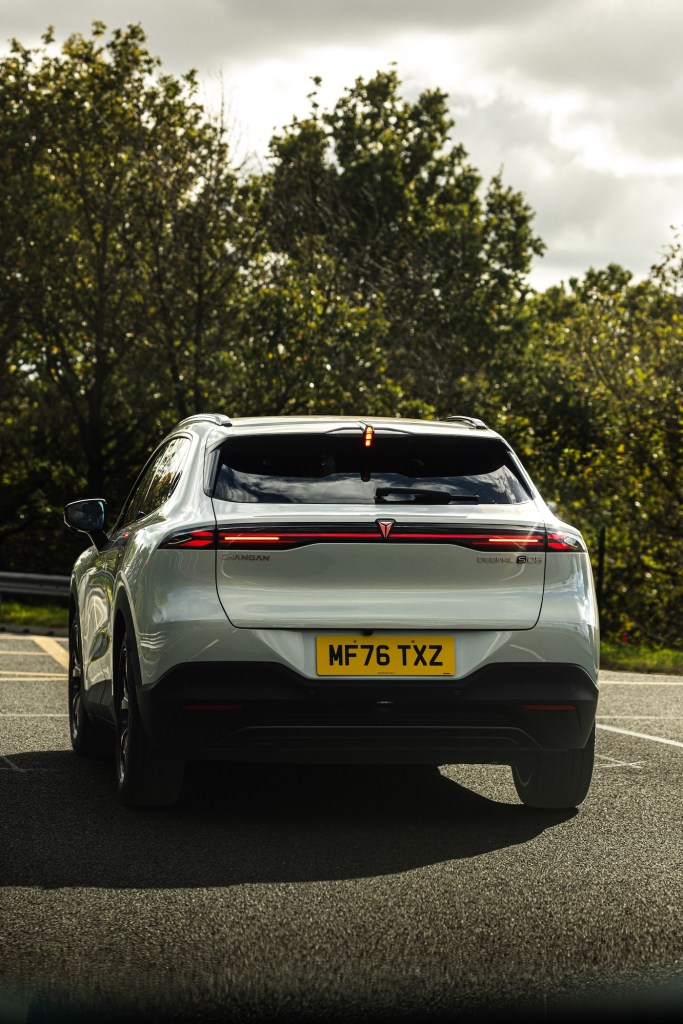
The design leans hard on aviation: slim LED daytime running lights, aircraft-inspired headlights, a “flying wing” bumper, and at the back a V-shaped spoiler and illuminated logo. It works, mostly.
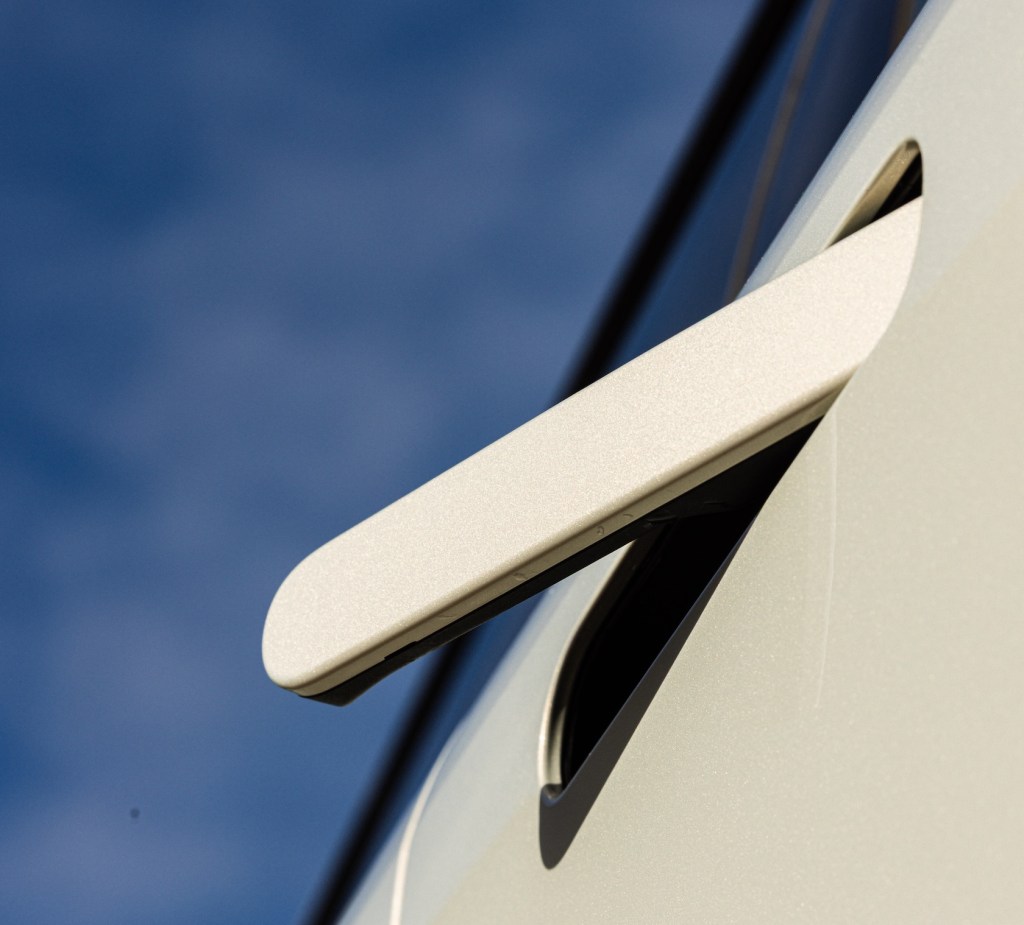
Less successful are the flush-mounted pop-out electric door handles. They feel gimmicky — the sort of thing that looks great in a showroom and mildly irritating in a multi-storey car park. I’ve grown to dislike the, but its a small criticism.
Wraparound cockpit
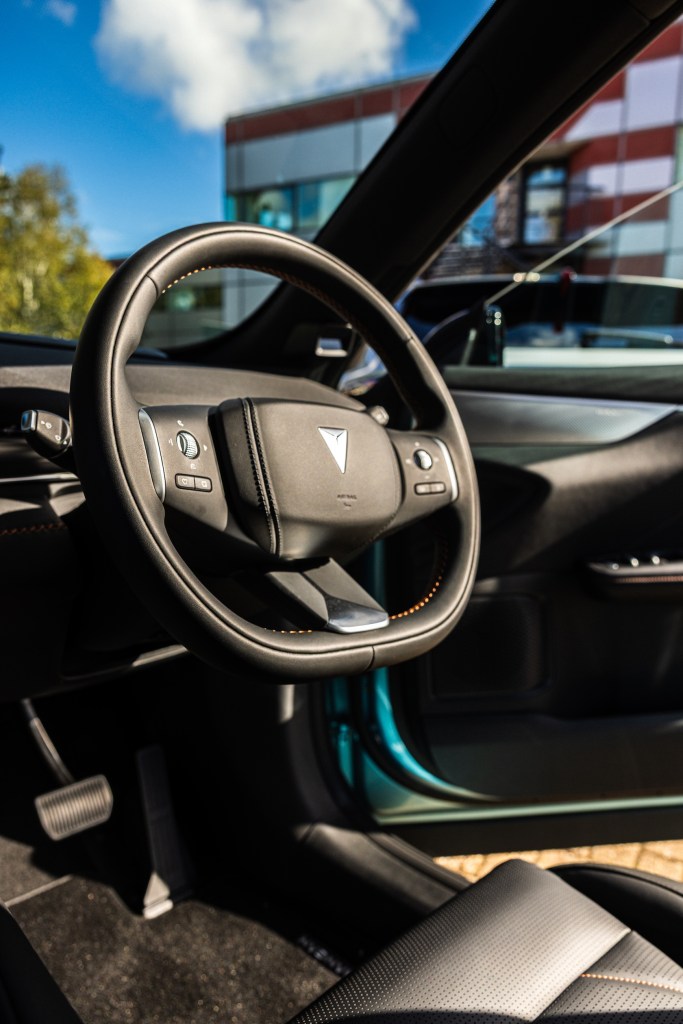
There are two trims – Pro at £32,990, Max at £34,990. The body-hugging, heated and ventilated vegan leather front seats give the cabin a premium feel. There are very few physical knobs and buttons; key controls still need a physical action, which is something.
The augmented reality head-up display projects information onto the windscreen, and the voice and gesture control is among the easiest I have used — it helps you keep your eyes on the road.
At this price, on paper, the Changan makes a strong case. On the test drive, it delivers pretty well on that promise.
Performance and range
I drove from south Birmingham into Warwickshire, through Shakespeare country. The ride is satisfying; handling is agile, the steering well weighted and nimble. Acceleration is strong and the cabin quiet, thanks to extensive soundproofing.
In driving terms it doesn’t feel that different from the EV. I forced it into EV-only mode to test the range: a 60-mile run left around 12 miles of EV range, with the petrol engine kicking in only a handful of times when I pushed hard.
The 258 PS setup gets to 62mph in 7.9 seconds — lively enough.
Practicality and space
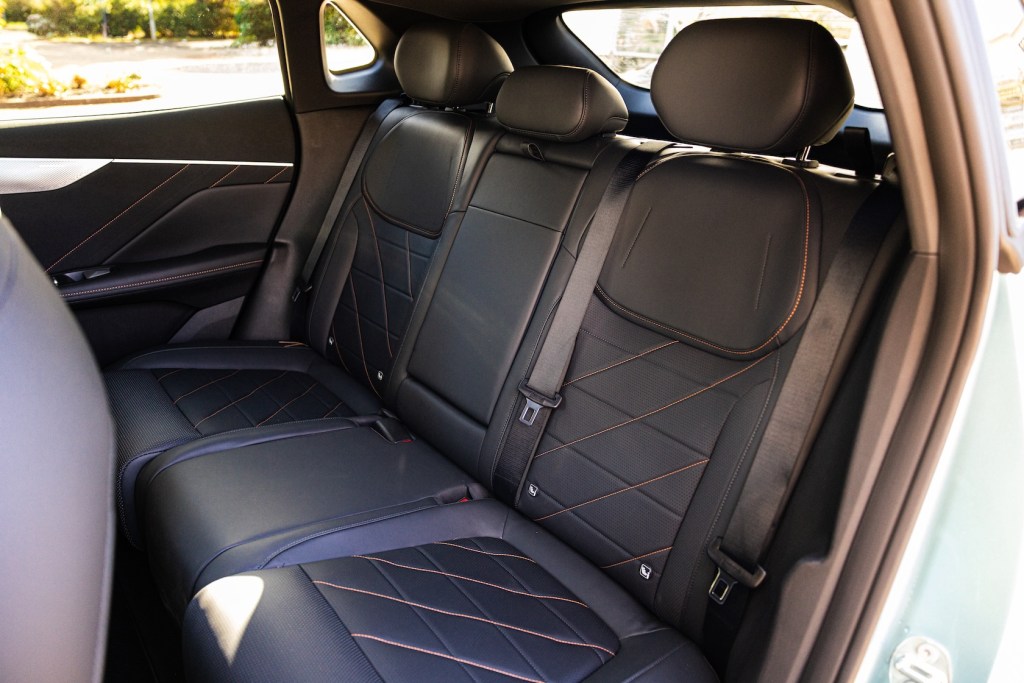
It is compact, but the S05 is surprisingly practical. Boot space is 552 litres with the rear seats up, 1,310 litres folded. There is another 60 litres under the floor — good for a charging cable — and plenty of room for pushchairs or holiday luggage.
No front boot or ‘frunk’ this time, the engine lives there. But you do get vehicle-to-load technology, so you can run appliances off the car — ideal for camping. An optional retractable towbar pulls up to 1,600 kg.
The lack of a frunk is a minor loss next to the EV version, but the underfloor storage mostly makes up for it.
Safety and ADAS
Adaptive cruise control with lane centring, a 360-degree camera with parking aids, AEB, collision warnings, blind-spot and rear cross-traffic monitoring. All present. Euro NCAP has not yet tested the S05, so the safety rating is an open question — worth checking before you buy.
The back story
Changan is based in Chongqing and is one of China’s largest manufacturers, building passenger cars since 1984. Its European footprint is over 20 years old, and it is now building a UK dealership network.
Nic Thomas, the UK managing director, says the Birmingham facility is crucial for developing models for the UK and Europe, among the most demanding markets in the world. The S05 has been tested and tuned specifically for UK roads and regulations.
Factfile
- Model: Deepal S05 Ultra Hybrid (PHEV)
- Price: £32,990 – £34,990
- Powertrain: 1.5-litre petrol generator + electric motor, FWD
- Output / 0–62mph: 7.9 sec
- EV / total range: 62 / 648 miles
- Economy / CO₂: ~52.3 mpg / 47 g/km
- Charging: DC rapid up to 55 kW (30–80% in ~15 min)
- Warranty: 7 yr/100,000 mi (car); 8 yr/124,000 mi (battery)