Category Archives: Family hatchback

Hyundai’s spacious and well equipped supermini

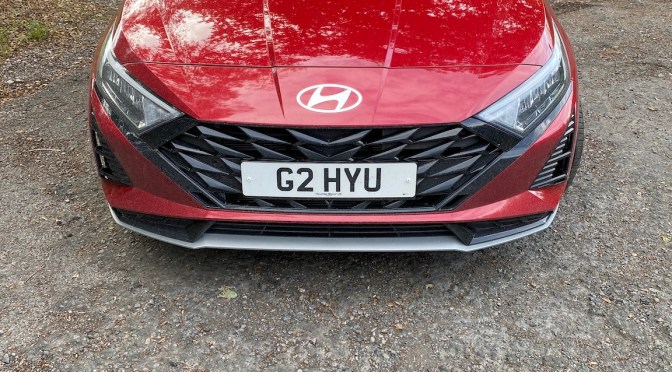
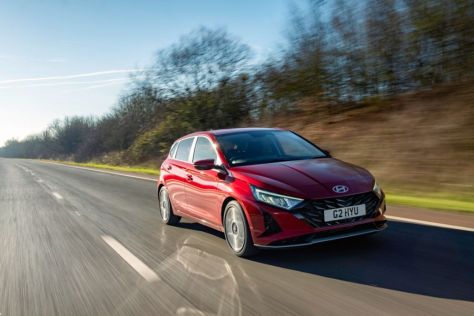
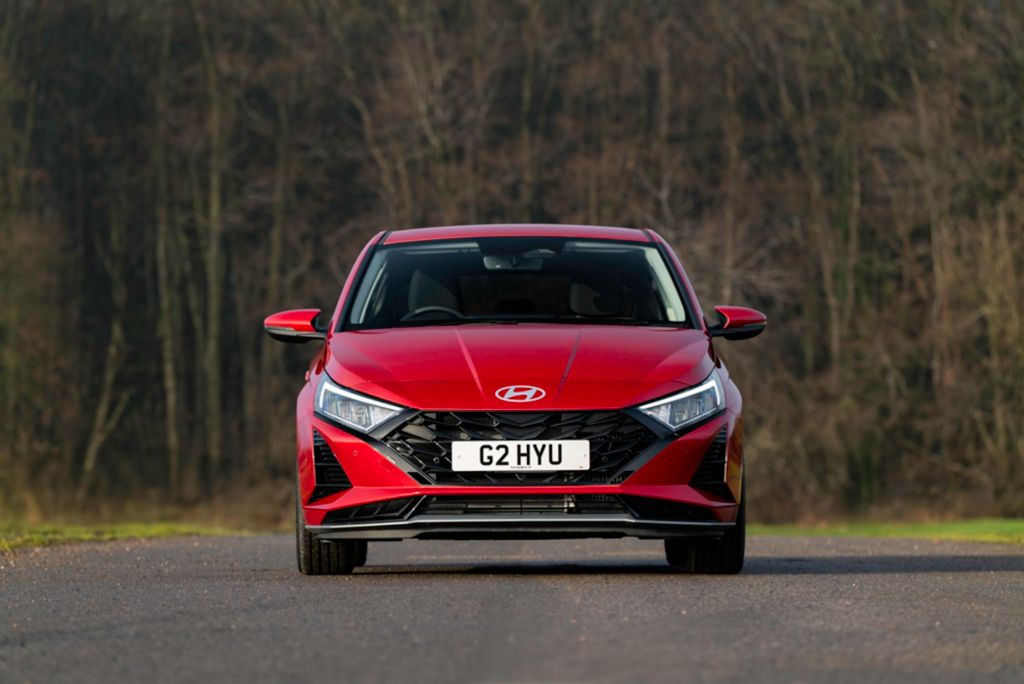
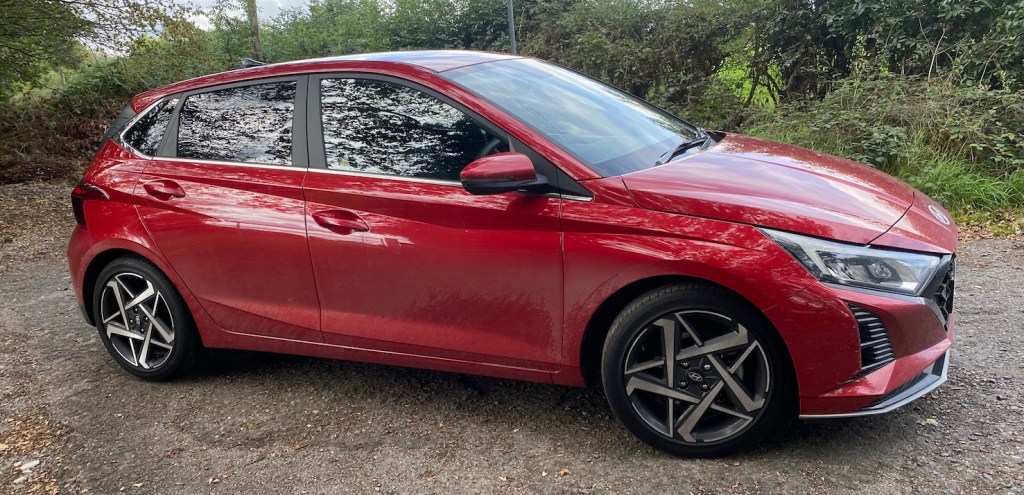
Hyundai i20 1.0 T-GDi 90 PS Tech Line

By Bill McCarthy

I have driven a few i20s over the years, from the entry-level cars to the firecracker i20 N. Time and again, they’ve proved worthy. It’s one of the most rounded superminis on sale.

With the 1.0-litre turbocharged 90 PS petrol engine, it promises low running costs without stripping out equipment. It isn’t a hot hatch – except maybe for the now-departed N – but it’s a genuinely likeable, practical, economical everyday car.

It’s been a familiar sight on the roads for a few years now. There’s a new model on the way but in the meantime, the current car is still worth a look.

Performance and driving

Under the bonnet is a 998cc three-cylinder turbo petrol producing 90 PS.. It drives the front wheels through a six-speed intelligent manual gearbox, which can decouple the engine when coasting to save fuel. 

The numbers are modest: 0-62mph in about 11.5 seconds and a 112mph top speed. Yet it feels quicker than that. The rasp of the three-pot engine gives a sporty feel when you floor it, even if the figures don’t bear it out. It’s eager enough around town, the gearbox shifts cleanly, and the light steering makes city driving effortless.

On smooth roads, the i20 feels composed, with a tight turning circle and good visibility. The trade-off is a firm ride, especially over potholes, but it rewards with decent body control. Drive modes adjust throttle response and steering weight, while cruise control makes longer journeys relaxed.

It also proved surprisingly able around the twisting lanes and steep ascents of the Lake District.

The little three-cylinder turbo had enough low-down torque to pull cleanly out of tight bends and up the climbs, while the compact dimensions and light steering made narrow, hedged roads feel easy to place rather than intimidating.

That kind of driving – constant gradients, slow corners and repeated gear changes – made the official economy figure of 47.9mpg was slightlyoptimistic. In my real world this was nearer 45mpg. Still respectable for a petrol supermini.

Interior and equipment

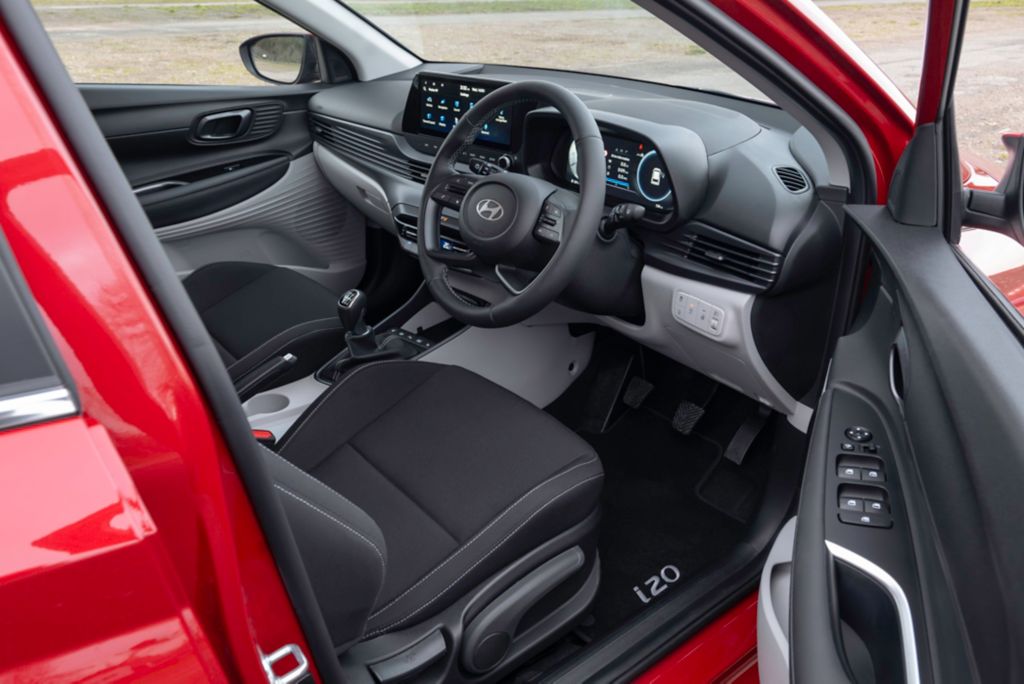
The Tech Line cabin offers plenty, with heated front seats, a heated steering wheel and multi-colour ambient lighting make cold mornings far more bearable. The driver’s seat is height-adjustable, and the rear bench splits 60:40. Electric front and rear windows, luggage hooks and a front cup holder add everyday usability.

TThe dual-screen setup is the highlight: a 10.25-inch digital instrument cluster and a 10.25-inch touchscreen with satellite navigation, Apple CarPlay and Android Auto.

Climate control, an auto-dimming rear-view mirror, cruise control and drive modes are all standard. Parking is easy thanks to front sensors and a rear-view camera, while automatic wipers, wireless charging and USB ports front and rear keep life simple. 

There’s also a smart key with engine start button, immobiliser and steering wheel remote controls. A temporary mobility kit, privacy glass and aero wiper blades complete the package. Some plastics are hard to the touch, but the layout is logical and the kit count embarrasses pricier rivals.

Practicality and safety

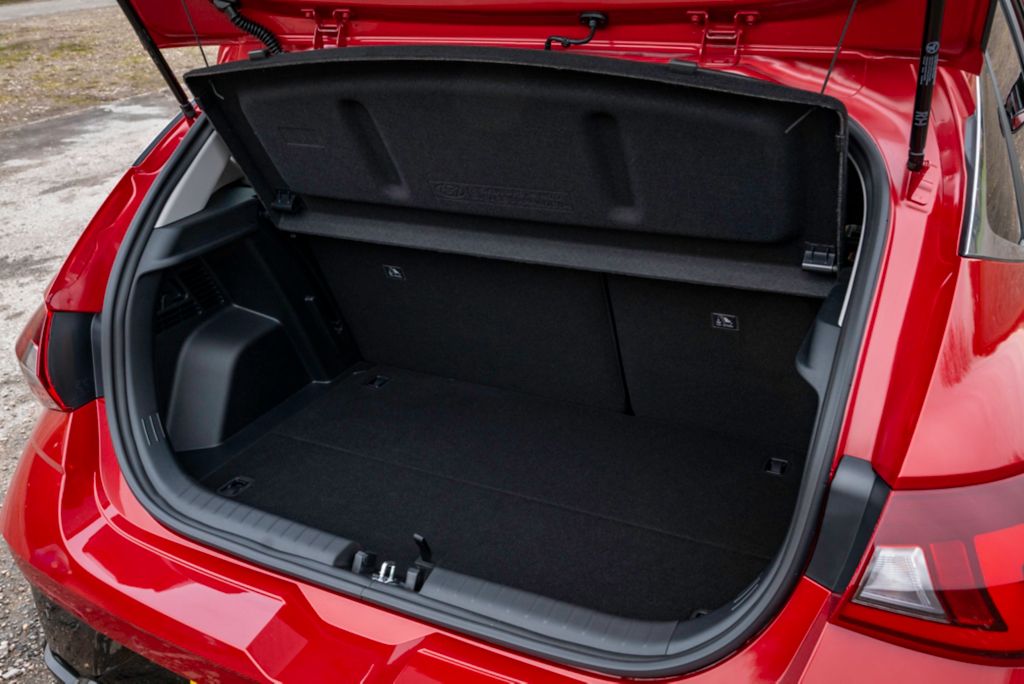
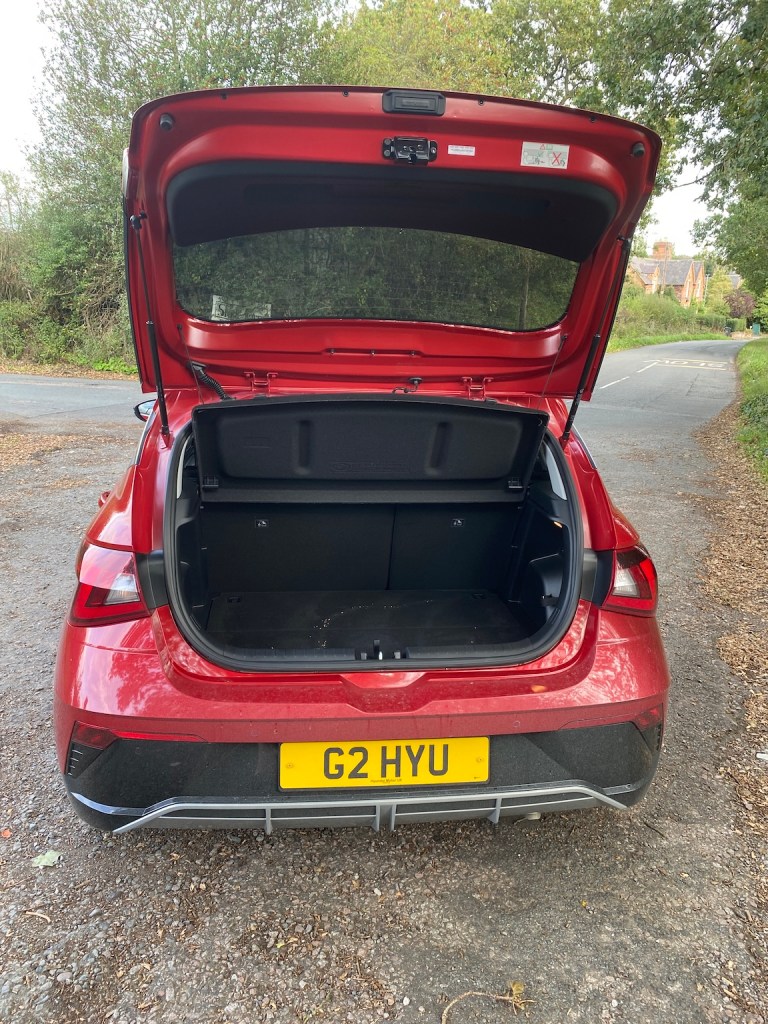
Boot space is 352 litres, expanding to 1,165 litres with the rear seats folded – among the best in class and enough for a weekly tip run or a weekend away with plenty of baggage. The 60:40 split makes carrying longer items easy and they benefit from a USB-C charging port,

The i20 is well protected, too. Standard safety kit includes lane keep assist, lane follow assist, intelligent speed limit assist, forward collision avoidance, driver and front passenger airbags, side and curtain airbags, ABS, ISOFIX and childproof rear door locks. An eCall system adds peace of mind in an emergency.

Verdict

The i20 isn’t the fastest or most exciting supermini. But it is efficient, practical and well equipped. The firm ride and some cheap interior materials are minor flaws in an otherwise sensible package. With a five-year, unlimited-mileage warranty, it still makes the current model worth a look offers an impressive package without the premium price tag.

.

Factfile

  • Hyundai i20 1.0 T-GDi 90 PS Tech Line
  • Price: from £24,245
  • Mechanical: 90ps, 998cc, 3-cyl turbo petrol, front-wheel drive, 6-speed intelligent manual
  • Max speed: 112mph
  • 0-62mph: 11.5 seconds
  • Combined mpg: 47.9
  • Insurance group: 13E
  • CO2 emissions: 134g/km
  • BiK rating: 32%
  • Warranty: 5yrs/unlimited miles

Honda Civic: The family hatchback to beat

Honda Civic e-HEV Advance

By Bill McCarthy

The iconic Honda Civic is one of the world’s best-selling cars, with more than 27 million sold worldwide since 1974. There’s a reason for that success. This mid-life revamp of the 11th generation demonstrates why, with slick design, sophisticated hybrid technology, and SUV-like practicality. I

t makes a persuasive case for the smart, safe, and stylish family hatchback as others abandon that sector because of the rise in popularity of SUVs and crossovers, and the economic and regulatory pressures that make building small, affordable cars less profitable.

The Civic features a sharper look with redesigned grilles, new wheels, and the ‘Seabed Blue’ paint option on this test car, while all models retain the advanced Honda SENSING safety technology. Exterior changes include a redesigned front grille and front bumper spoiler, plus re-styled 18-inch alloy wheels. The front fog lights have been removed due to improved LED headlight technology.

Another key upgrade is to the safety and Honda SENSING technology, as the firm says its latest ambition is to achieve zero traffic fatalities by 2050.

Sleek design and premium interior

Honda says the Civic has a ‘human-centred interior’, which means it is comfortable and practical. Changes give it a more premium feel, and the Elegance, Sport, and Advance models driven here received specific upgrades, such as a heated steering wheel or wireless charging.

The cabin is spacious, airy, and flooded with light from larger glass areas, which comes in no small part from the panoramic sunroof on this range-topper. Across the three specs there are mostly soft-touch materials, comfortable, ergonomic seats, and practical touches like deep storage and smartphone trays.

It feels traditional and modern at the same time. There is no huge central tablet, but a nine-inch (or optional 10.2-inch) touchscreen sitting on top of the dashboard, controlling functions like smartphone connectivity, navigation, and infotainment—in this case, a premium 12-speaker Bose sound system.

This is supplemented by further driver information on the dual-dial binnacle. Controls and switches feel sturdy and logical, and the slim honeycomb-style air vent spanning the dashboard adds a distinctive touch. A couple of bottle holders are incorporated into the central console, which also controls drive selection and the parking brake.

Practicality

 While crossovers dominate, the Civic holds its own with 404 litres of boot space, which increases to 1,187 litres with the seats folded. A wide tailgate makes loading easy. For the active family, neat touches like a rubber covering in the boot area keep the car clean from muddy boots and wet clothing.

On the road

The star is the 2.0-litre self-charging hybrid powertrain. With 143PS and an intelligent electric motor, it delivers lively performance (0-62mph in 8.1 seconds) with poise and refinement.

The latest auto transmisison keeps improving and is less raucous than previous iterations. Around town, the EV mode delivers quiet, efficient progress. Claimed fuel economy is 56.5 mpg. On a drive which included higher-speed motorway journeys, it was hovering around the still-impressive 51 mpg mark.

Ride and handling are also impressive, and the car feels agile and stable on corners. It is fun to drive – quick but not manic – and benefits from Honda’s ‘winding road detection system’. This ensures the vehicle is in the most appropriate drive mode to improve responsiveness and reduce unnecessary and frequent switching.

Using a drive selector, users can switch between four drive modes: ‘Normal’, ‘Sport’, ‘Eco’, and ‘Individual’.

Safety

Always innovative on safety, Honda says its latest ambition is to achieve zero traffic fatalities by 2050.

Protection starts with a reinforced body structure,11 airbags, with a new front centre airbag to separate occupants in a side impact. ISOFIX points aid child safety, while pedestrian protection includes energy-absorbing bumper components.

The latest Honda SENSING suite uses new sonar sensors and a 100-degree camera for improved object and pedestrian detection. Key systems include a Collision Mitigation Braking System, Adaptive Cruise Control, Lane Keep Assist, Traffic Sign Recognition, and a Blind Spot Monitor on higher trims.

Verdict

The Honda Civic e:HEV starts at £33,795, placing it at the higher end of the mainstream family hatchback market. However, this is an excellent car, and the premium is justified by its high level of standard equipment, its full hybrid powertrain and Honda SENSING safety suite.

It offers a strong option for buyers prioritising hybrid technology, standard features, and driving comfort, though it faces strong competition from both conventional and plug-in hybrid rivals with lower entry costs.

Factfile

  • Honda Civic e-HEV Advance Style
  • Price: £38,695
  • Mechanical: 143PS, 1,993cc, 4cyl petrol engine and electric motor driving front wheels via automatic transmission
  • Max speed: 112mph
  • 0-62mph: 8.1 seconds
  • Combined mpg: 56.3
  • Insurance group: 28
  • CO2 emissions: 114g/km
  • Warranty: 3yrs/90,000 miles