
JAECOO 7 Luxury PHEV
By Bill McCarthy
The rapid breakthrough of Chinese brands in the UK is gathering pace, with OMODA and JAECOO emerging as major players. In 2025, the joint brands sold 48,087 new vehicles, capturing a significant 2.38% of the total UK market.
This surge was driven largely by the JAECOO 7, with 26,048 registrations, making it the fourth most popular retail car in the UK. A huge 70% of these registrations were for the plug-in hybrid variant tested here.
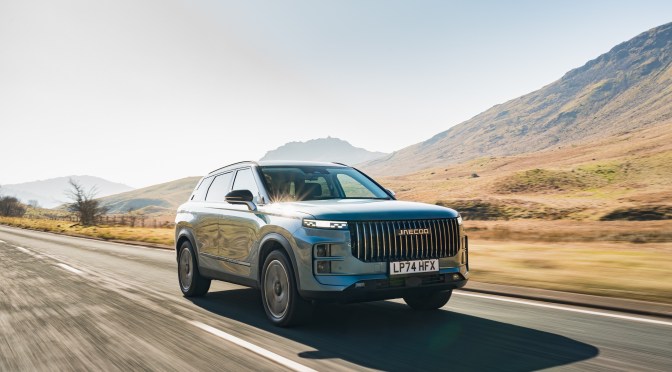
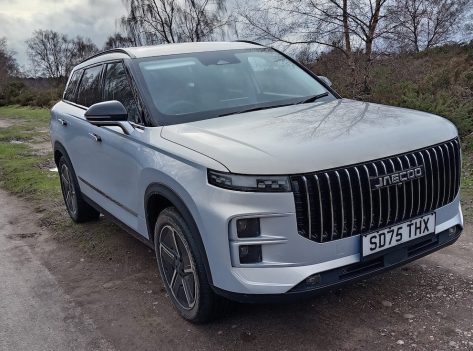
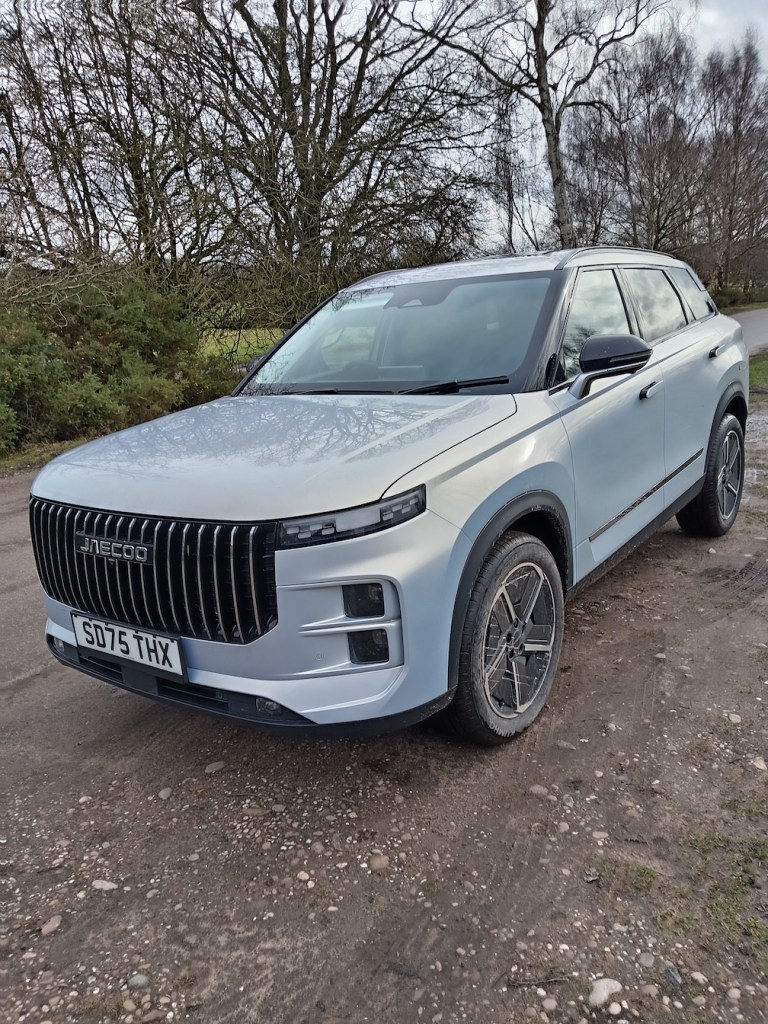
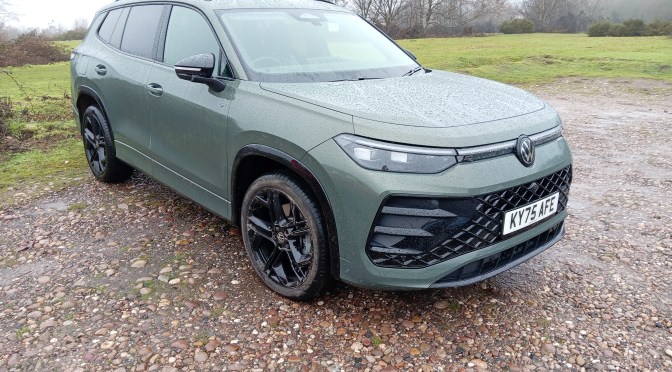
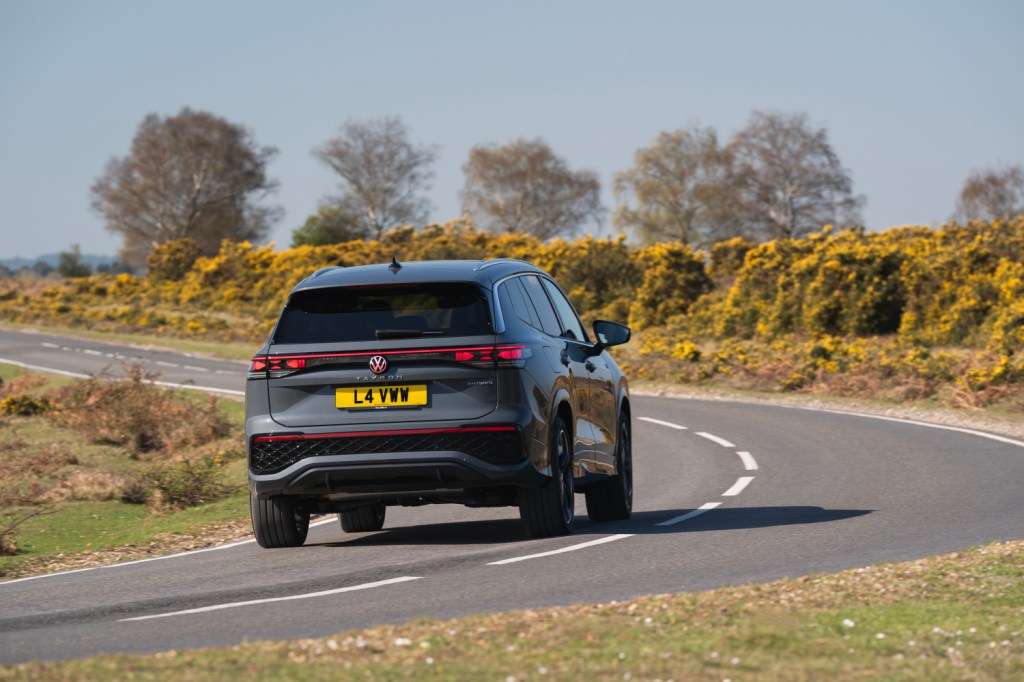
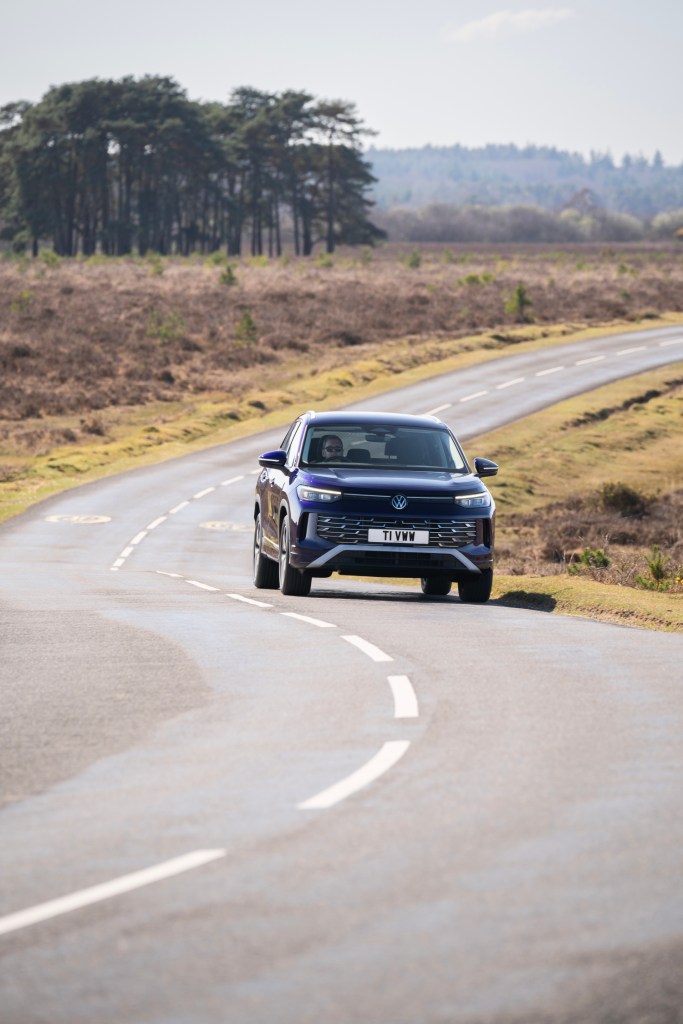
It’s easy to see the appeal. The JAECOO 7 has a rugged road presence, with the look of both a Range Rover and the ‘waterfall’ grille reminiscent of a Jeep. It looks like a premium brand but sells for significantly less. Prices start at just over £30,000.
There are two trims – Deluxe and the Luxury version driven here – and two powertrains: a 1.6-litre petrol with four-wheel drive available, or this front-wheel-drive plug-in hybrid with a 1.5-litre engine.
Design and Styling
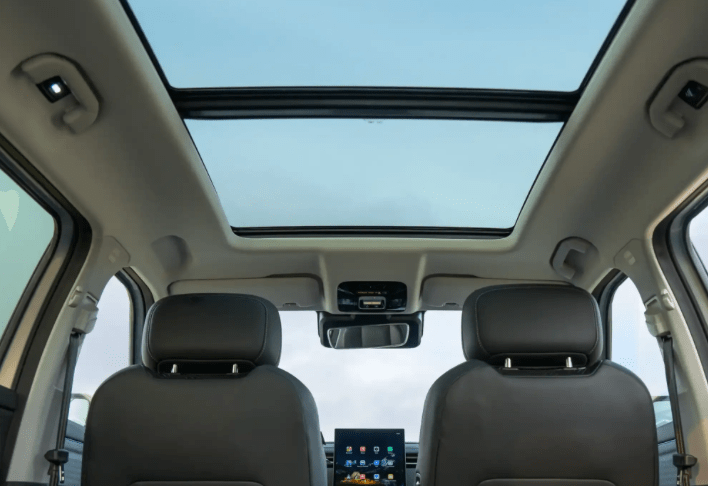
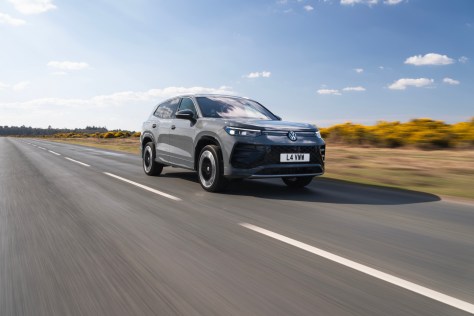
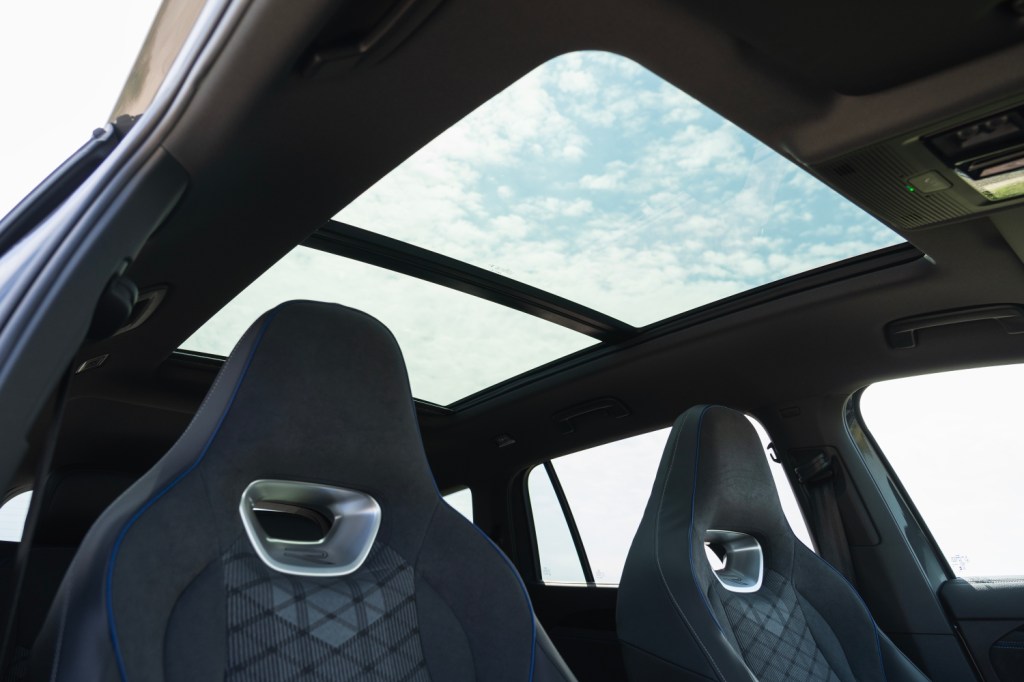
The muscular profile is complemented by more subtle aerodynamic curves, and features split LED headlights with a checkerboard pattern. Standard equipment includes a partially opening panoramic sunroof, integrated roof rails and smart 19-inch alloy wheels. The rear also features a full-width LED light bar and roof spoiler.
Interior and Technology
Like others, the car has no starter button or switch and becomes active via sensors when the driver sits down. I’m not really a fan, because you don’t feel in full control.
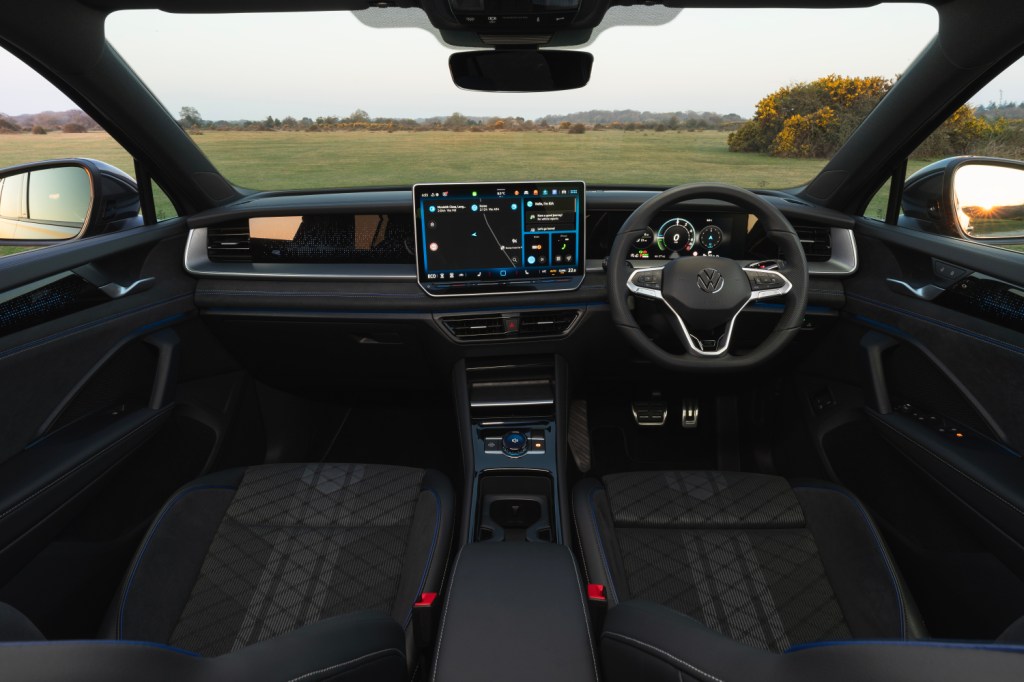
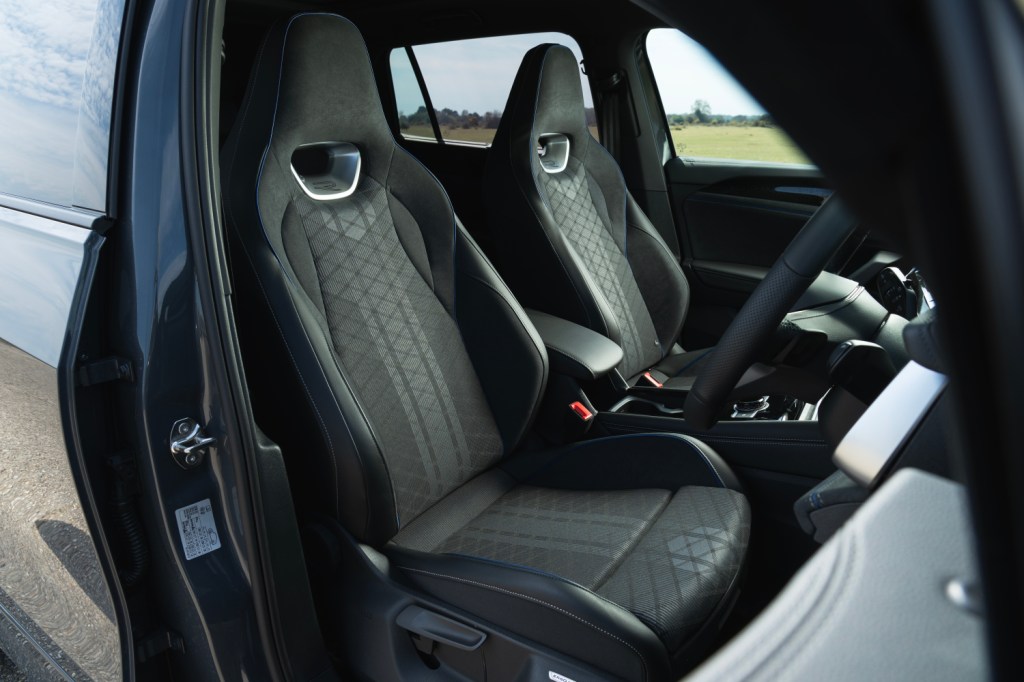
However, the cabin is light and airy with plenty of head and legroom for all occupants, while the front two leather seats are both heated and powered, and supportive. Dominant is the 14.8-inch central screen on this model. The screens grow ever more complex and can be distracting. So much so that from this year, safety body Euro NCAP requires new vehicles to have physical buttons for key functions to achieve a maximum five-star safety rating.
That aside, the screen controls major functions like smartphone connectivity, including wireless Apple CarPlay and Android Auto, infotainment, navigation and safety functions. It is complemented by a 10.25-inch LCD instrument cluster, as well as a head-up display on this model. Other key controls are logically placed (if you don’t mind the gear selector where the wiper stalk would normally be), and robust.
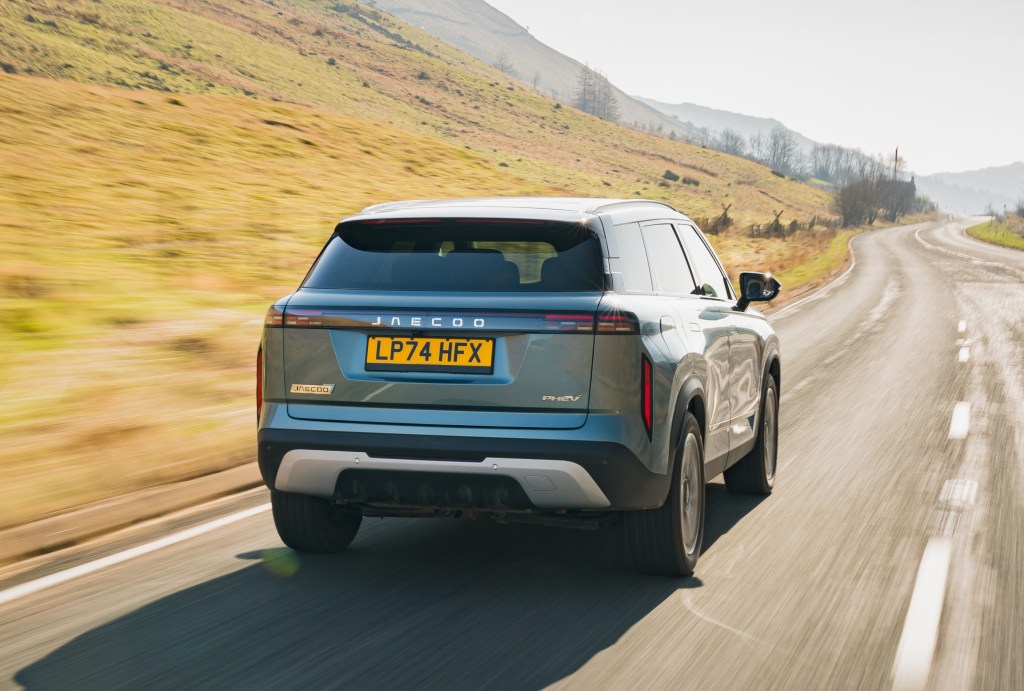
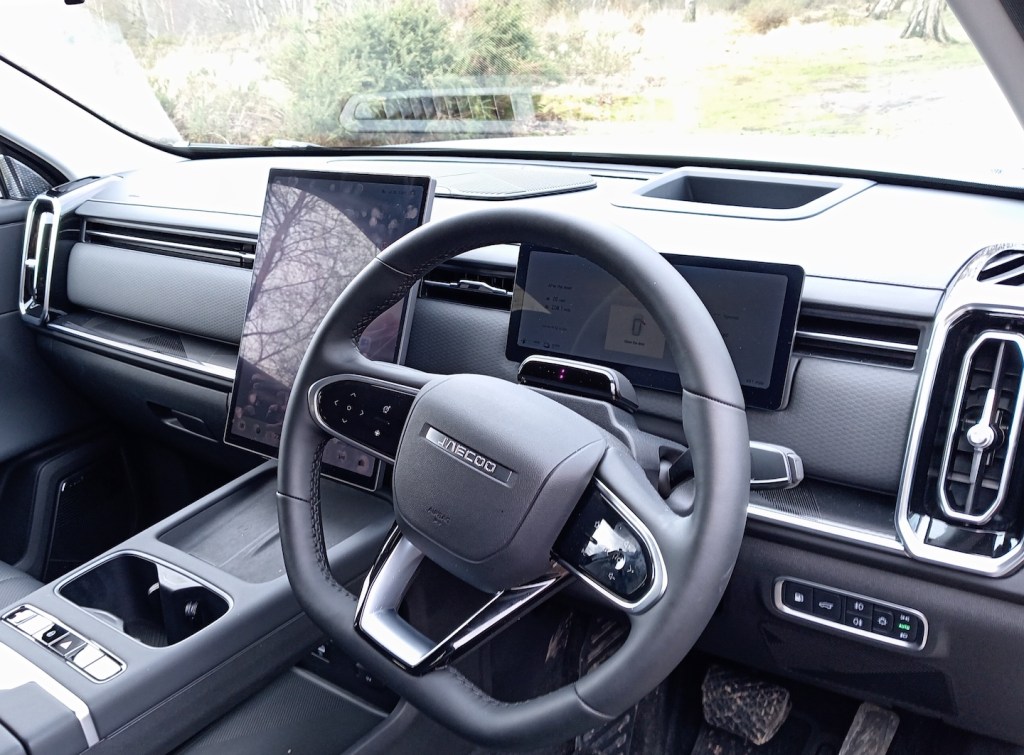
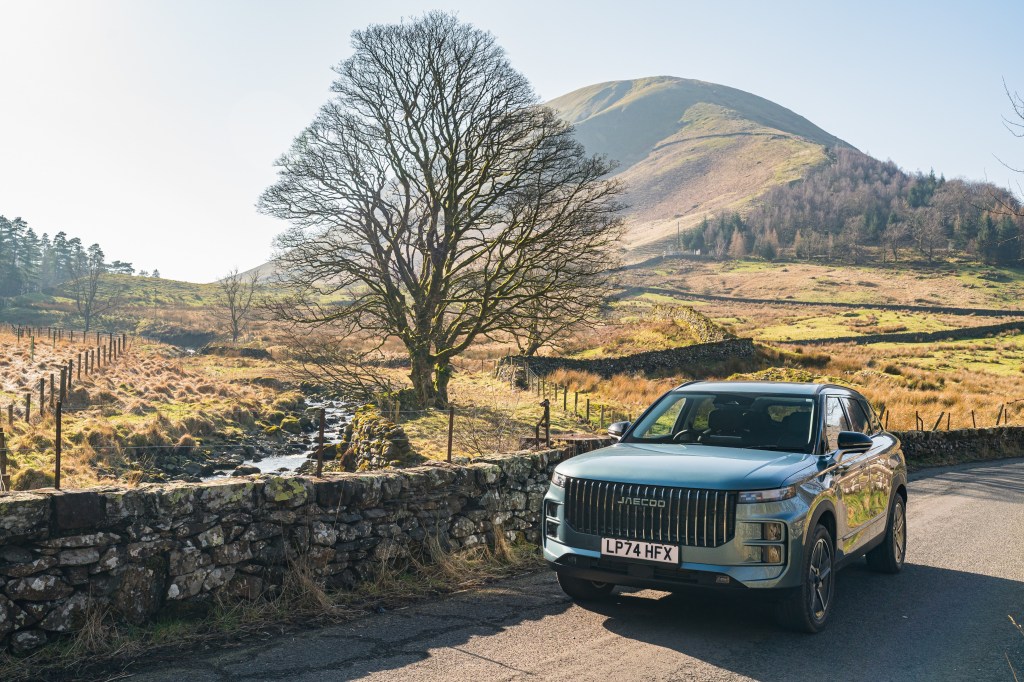
The list of standard kit is comprehensive even on the base model with privacy glass, electrically heated folding mirrors, synthetic leather, dual-zone climate control, and multi-colour ambient lighting. This model adds the head-up display, a premium Sony 8-speaker sound system, ventilated front seats, heated rear seats, an air purification system, a refrigerated centre cubby, and tinted rear windows.
Performance
The powertrain is a combined 1.5-litre turbocharged petrol engine with an electric motor delivering 204bhp and claimed WLTP economy of up to 403mpg. This is only realistic by keeping the battery permanently topped up; a figure of around 50mpg seems nearer the mark, with emissions at 23g/km. Importantly, it offers up to 56 miles of pure electric range for daily commuting, while avoiding many congestion charges.
On the Road
Acceleration is brisk, hitting 60mph in 8.6 seconds, although when the accelerator is floored, there is the occasional wheelspin from the front driven wheels. This became problematic on a loose gravel surface, where I required a little assistance to get free.
Firm suspension delivers a decent enough ride but tends to feel unsettled over rougher surfaces, even on some motorway stretches – where otherwise it’s a comfortable cruiser. However, it still handles well, despite the inevitable SUV lean on some bends. The steering feels well weighted and direct with enough feedback to keep the driver honest.
Practicality
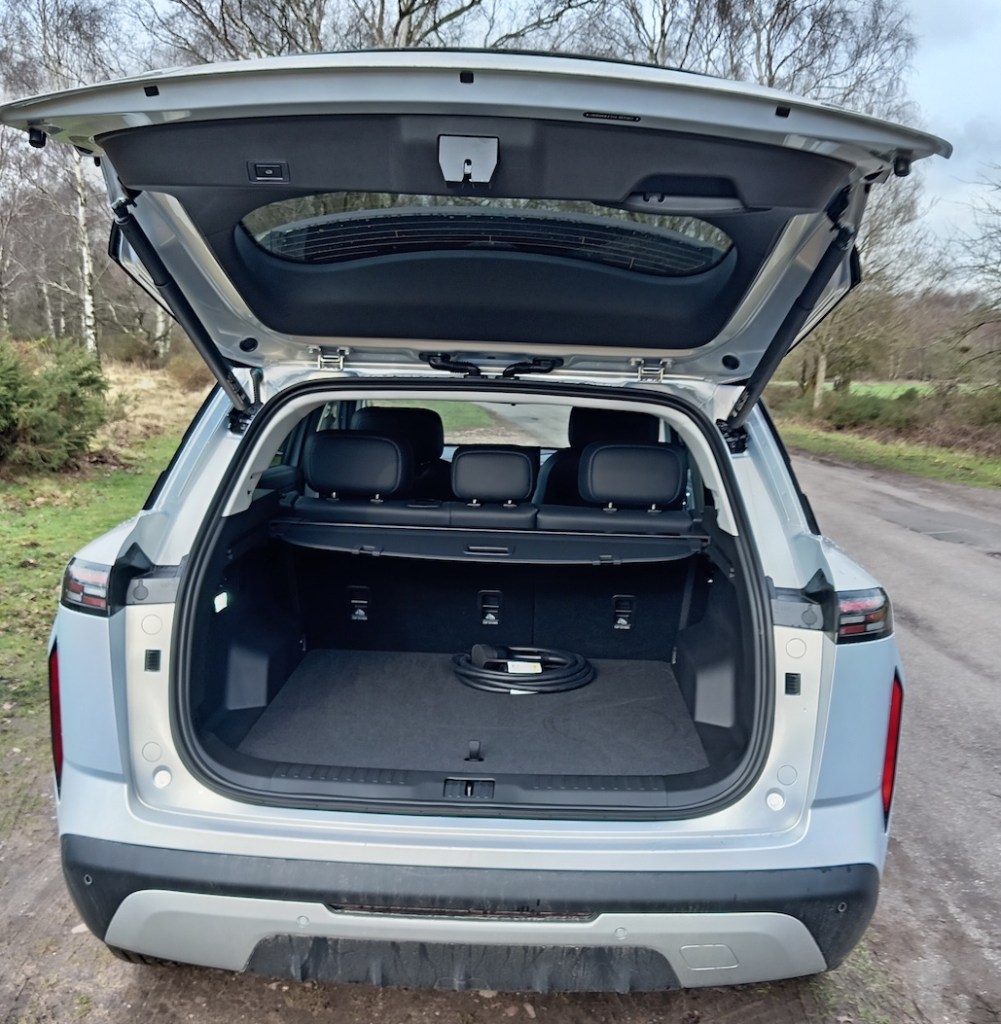
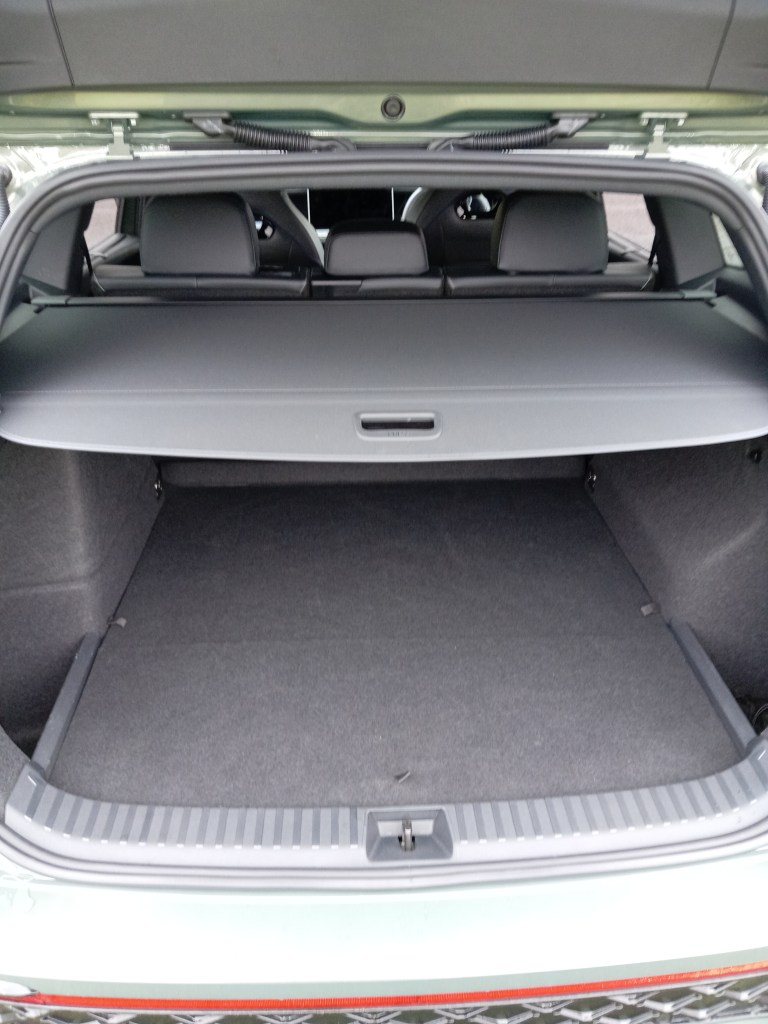
Storage and space are typical for the segment, though this plug-in hybrid model has a 500-litre boot expanding to 1,265 litres with the seats folded and accessed via a powered tailgate.
Safety and Driver Assistance
A comprehensive list includes eight airbags and this model also features autonomous emergency braking, blind spot detection, lane keep assist, driver monitoring system and rear cross-traffic alert. Ownership peace of mind is boosted by a 7-year/100,000-mile vehicle warranty and an 8-year battery warranty.
Verdict
The JAECOO 7 keeps things simple: one price, no add-ons, and plenty of standard equipment. Its plush interior and generous features make it a strong value-for-money rival to European brands. Established competitors still have the edge of decades of proven reliability, and the newcomer’s long-term durability is unknown – but it’s an impressive start.
Factfile
Model: Jaecoo 7 Luxury PHEV
Price: £35,165
Mechanical: 204 PS,1.5-litre turbo petrol and electric motor, driving the front wheels. via a auto transmission
Max speed: 112 mph
0 to 62mph: 8.5 sec
Combined mpg: 403 (WLTP claimed); 45-50 (estimated)
Insurance group: 32
CO2 emissions: 23 g/km
Warranty: 7yrs/100,000 miles
 On the road