


Vauxhall Grandland X
By Bill McCarthy
IT seems the market for SUV/crossers will never be satisfied. Virtually all manufacturer produce them and such is their popularity, Vauxhall have three in their line up: the mini Mokka; the mid-range Crossland and the SUV Grandland X.
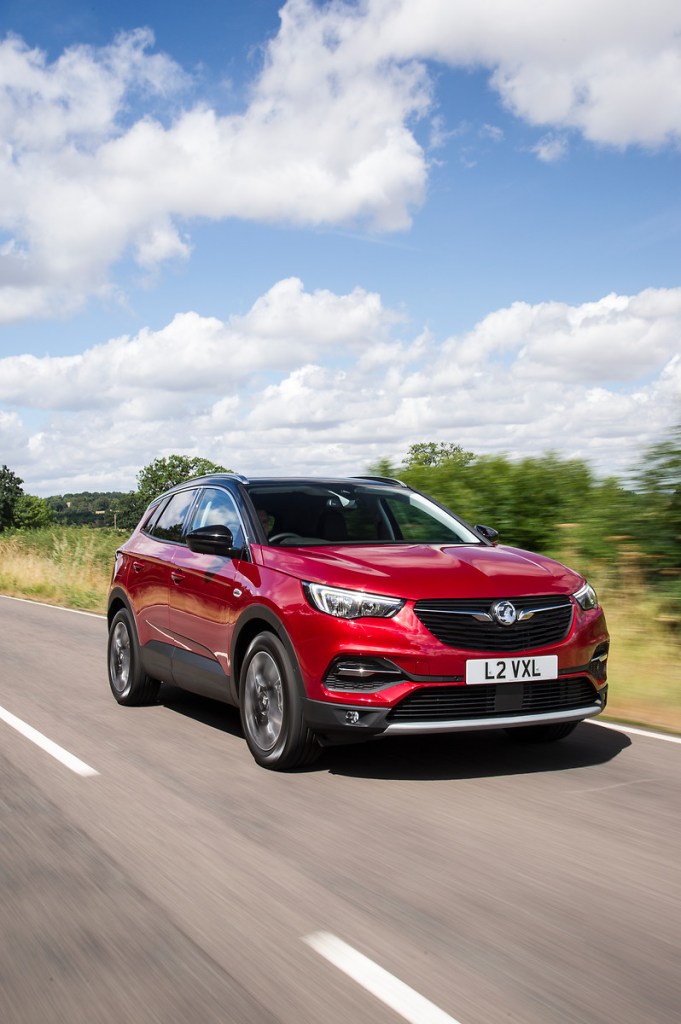
The Grandland X is a handsome, versatile car, packed with equipment, and has the look of and off-roader, if that’s what you want at the school gates
At 4.48 metres long, it is the largest SUV in Vauxhall’s range.
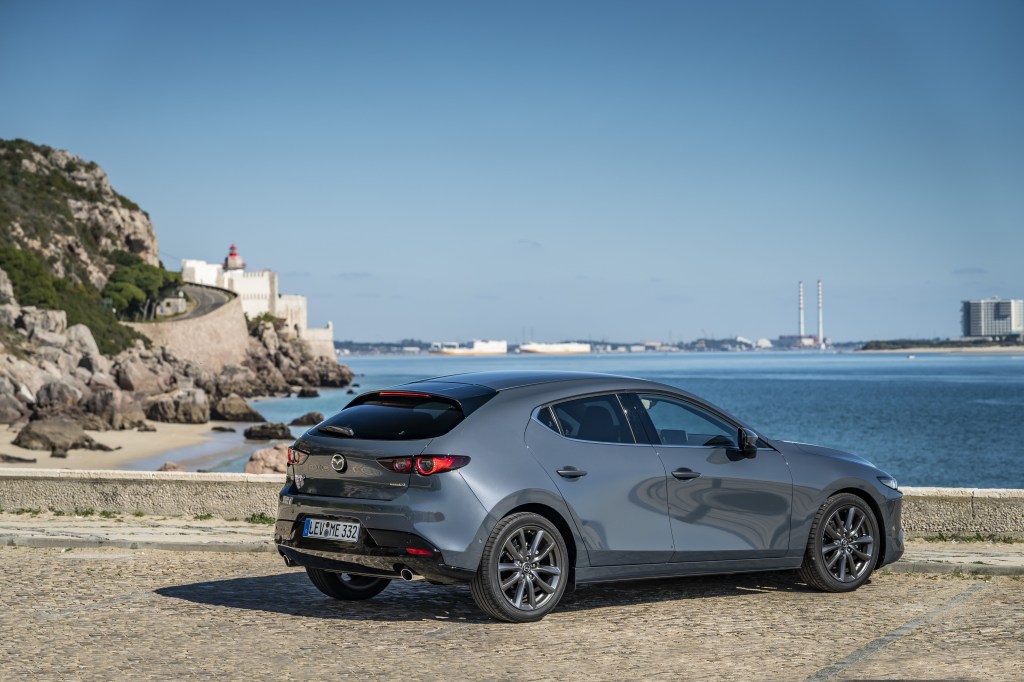
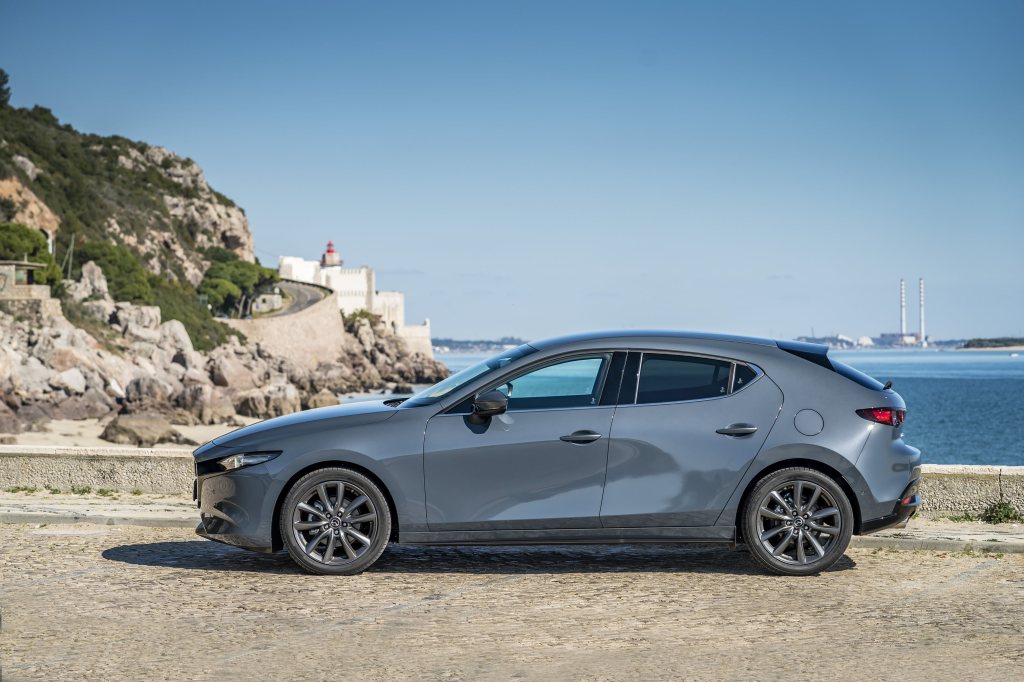
It has a muscular and rugged look that is offset by alloy-effect door sill covers, 18-inch diamond-cut alloy wheels, black roof and door mirror, bright front and rear skid plates and neat light clusters.
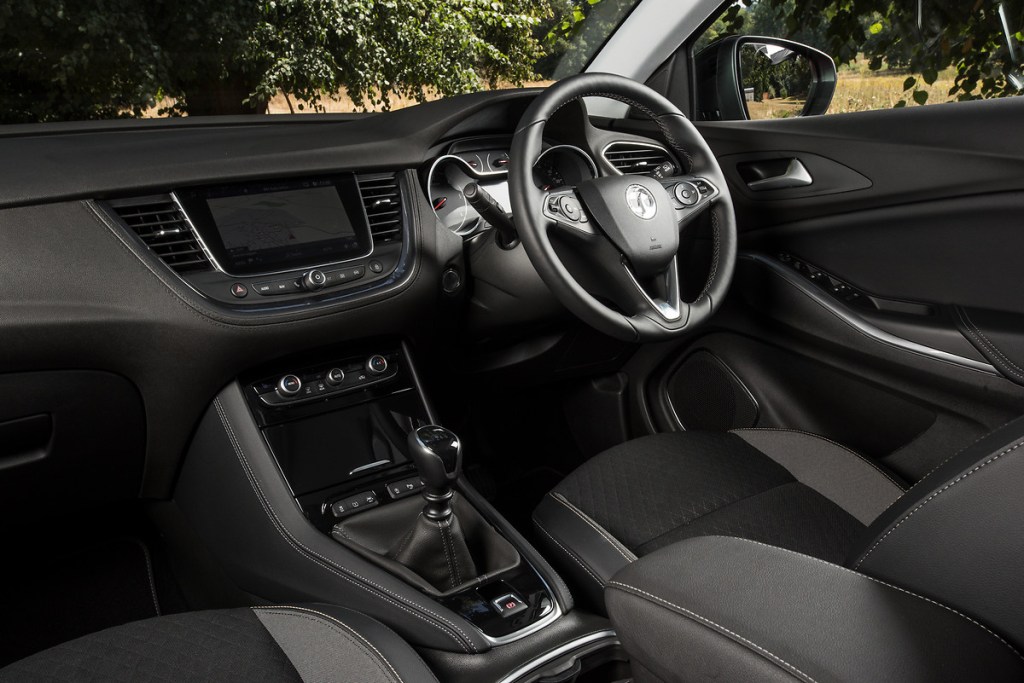
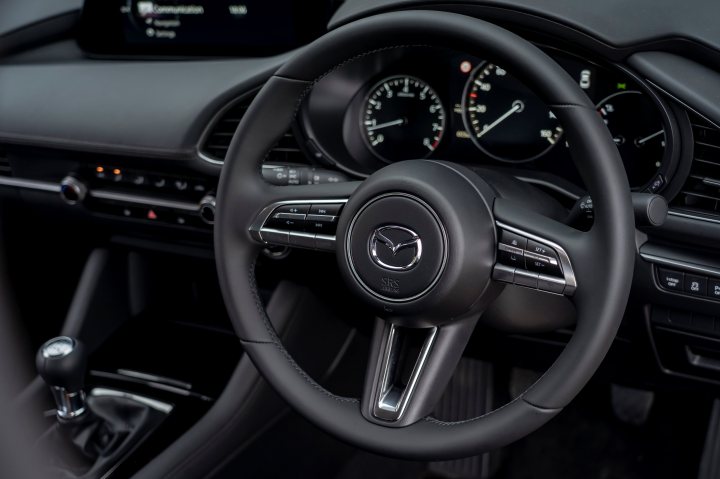
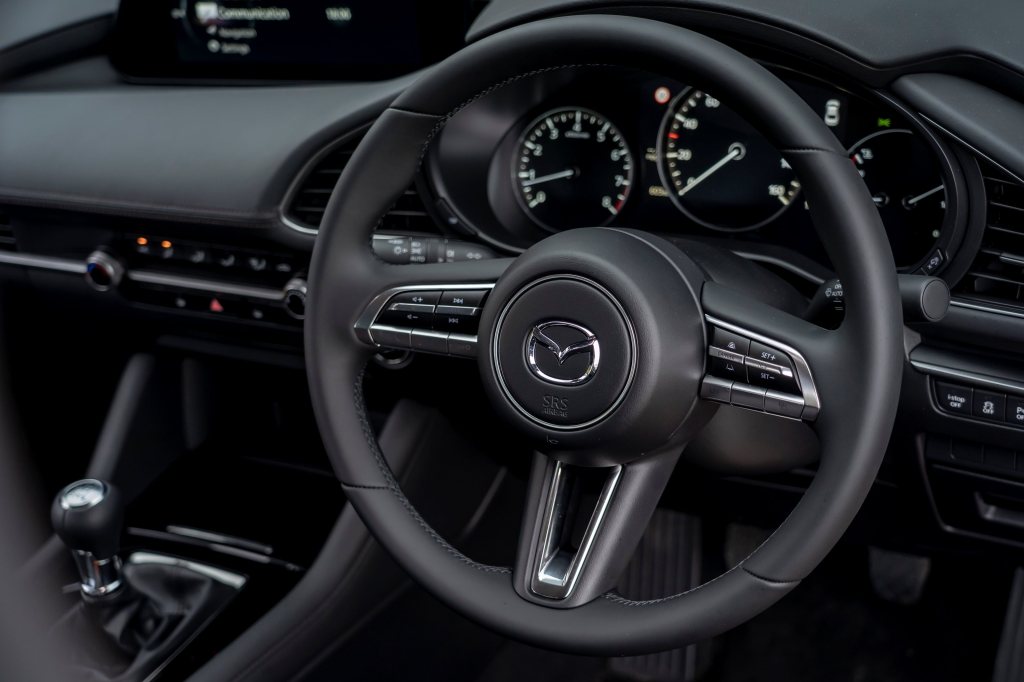
The interior feels well put together with a logical instrumentation and controls set up.
Soft touch plastics give a touch of class, while dash and the multi-function steering wheel are trimmed with bright finish.
An eight-inch touchscreen dominates the dash and houses the IntelliLink system which features integrated European sat nav system, together with Apple CarPlay and Android Auto smartphone connectivity.
It also features digital radio, Bluetooth connectivity, voice control and USB ports.
Vauxhall’s OnStar service is also standard, giving drivers connectivity when on the move, while also providing a personal assistant service, stolen vehicle assistance and automatic crash response.
Unsurprisingly since Vauxhall’s takeover by PSA, it shares many features from the Peugeot 3008 and the engine range while the optional IntelliGirp adaptive traction control, is not a million miles from Peugeot’s Grip Control technology.
Engines include the excellent 1.2 litre three cylinder petrol and two diesels, a two litre and the 1.5 litre on this model. A hybrid is planned later.
Mated to a six speed manual gearbox, the 128bhp diesel is refined has plenty of pull and is a fine motorway cruiser. It is nippy enough, hitting 60mph in a smudge over 10 seconds. Quick enough for most.
Standard across the range equipment includes LED daytime running lights, camera-based lane departure warning, road sign recognition, intelligent cruise control, and air conditioning with particulate and odour filter.
This model adds goodies like dual-zone electronic climate control, adaptive cruise control, anti-dazzle rear-view mirror, and ambient lighting
Also fitted to this model auto lighting/windscreen wipers, electrically adjustable/heated door mirrors, electrically foldable door mirrors with puddle lights and front and rear parking sensor.
Naturally an SUV must be practical and folding 60/40 rear seats are standard with a one-touch action, which means they tumble and fold instantly offering a wide range loading options.
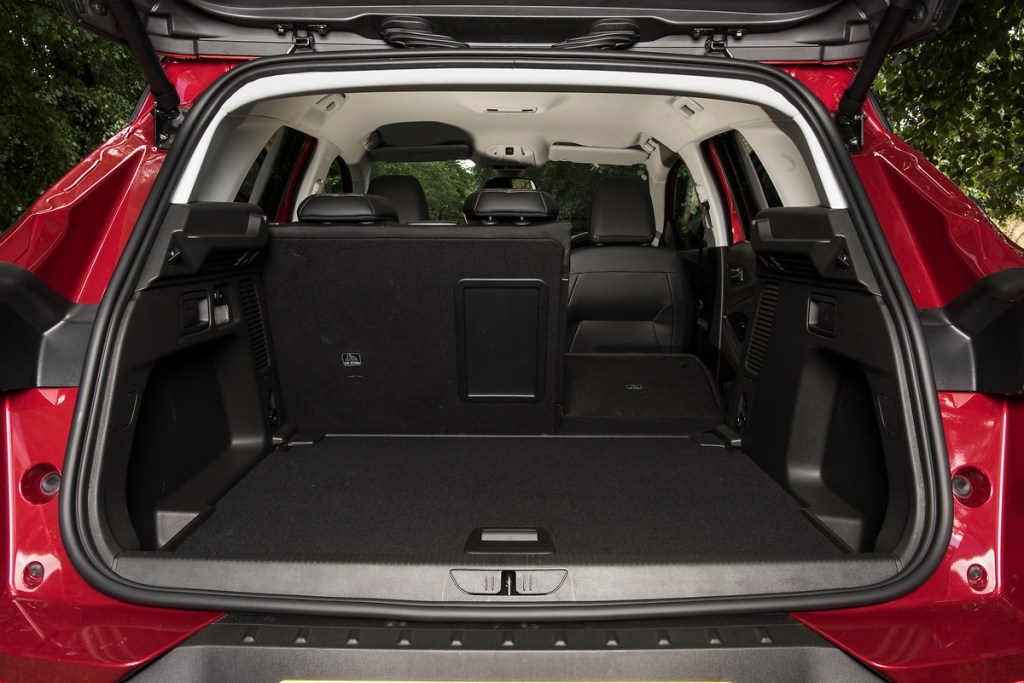
Stowage space is good with 514 litres available with the seats up, increasing to 1,652 litres with the seats folded, plenty big enough for most requirements.
For extra practicality, the Versatility Pack adds centre rear seat armrest with ski pass-through, illuminated luggage area and a flex floor with under-floor divider. In addition there are other storage spaces throughout.
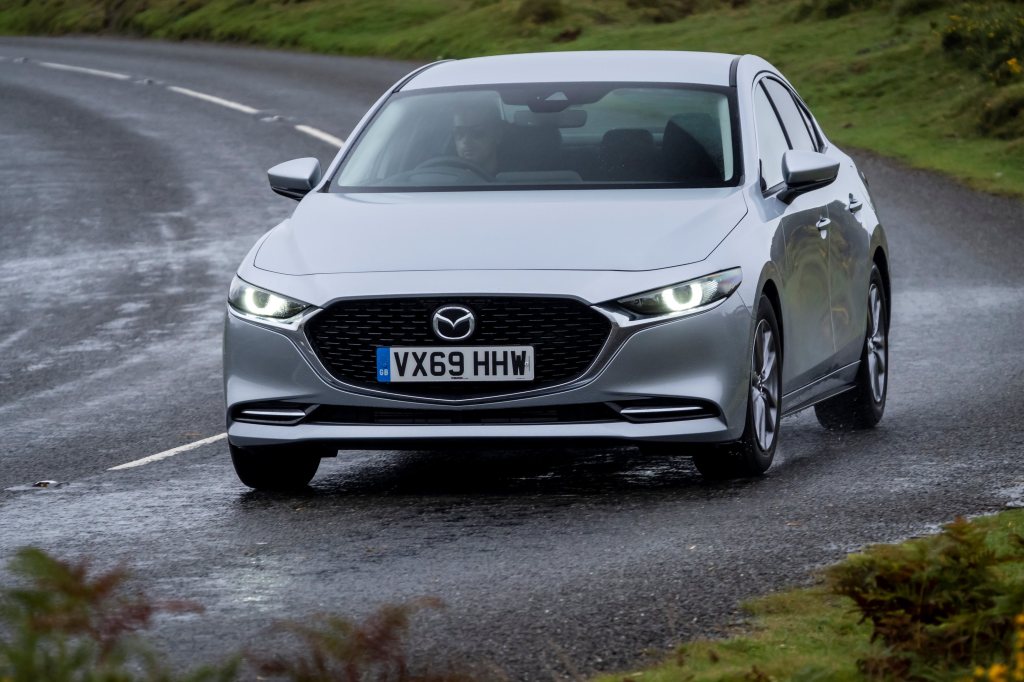
On the road the car is built for comfort and practicality rather than driver interaction with a softish suspension setup set up which means it does lean a bit into corners. But this is hardly the kind of car to be raced around.
Economy is good with a claimed average figure of just over 50mpg, while emissions are just 113g/km.
For those looking to occasionally tackle tougher terrain, but don’t want the extra expense of all-wheel drive, the driver can choose IntelliGrip, which offers five drive modes via a centre dial.
This delivers torque to the front wheels according to the selected mode, allowing slip when necessary and changing the accelerator pedal control map. The modes are: Normal/On-road, snow, mud and sand, while ESP Off an option.
The modes are pretty self explanatory.
It is packed with safety kit, including and six airbags, plus the Vauxhall Safety Pack, which includes switchable electronic stability programme, anti-lock braking system, driver drowsiness system, forward collision alert, automatic emergency braking, lane assist, blind spot alert, lane departure warning and speed sign recognition.
At just short of £23k for this model, you get plenty for your outlay, while low insurance, tax and fuel economy make it relatively cheap to run. Another fine option in the SUV/crossover market.
Factfile
Vauxhall Grandland X Sport Nav
Price: £22,735
Mechanical: 130PS, 1,399cc, 4cyl turbo diesel engine driving front wheels via six-speed manual gearbox
Max speed: 119mph
0-62mph: 10.2 seconds
Combined mpg: 48-53mpg
Insurance group: 15
CO2 emissions: 113g/km
Warranty: 3yrs/60,000







 On the road