
Hyundai Tucson
By Bill McCarthy
It only seems like five minutes ago that the stylish Tucson was launched, but it is 18 years, and in that time it has become Hyundai’s best-selling SUV.
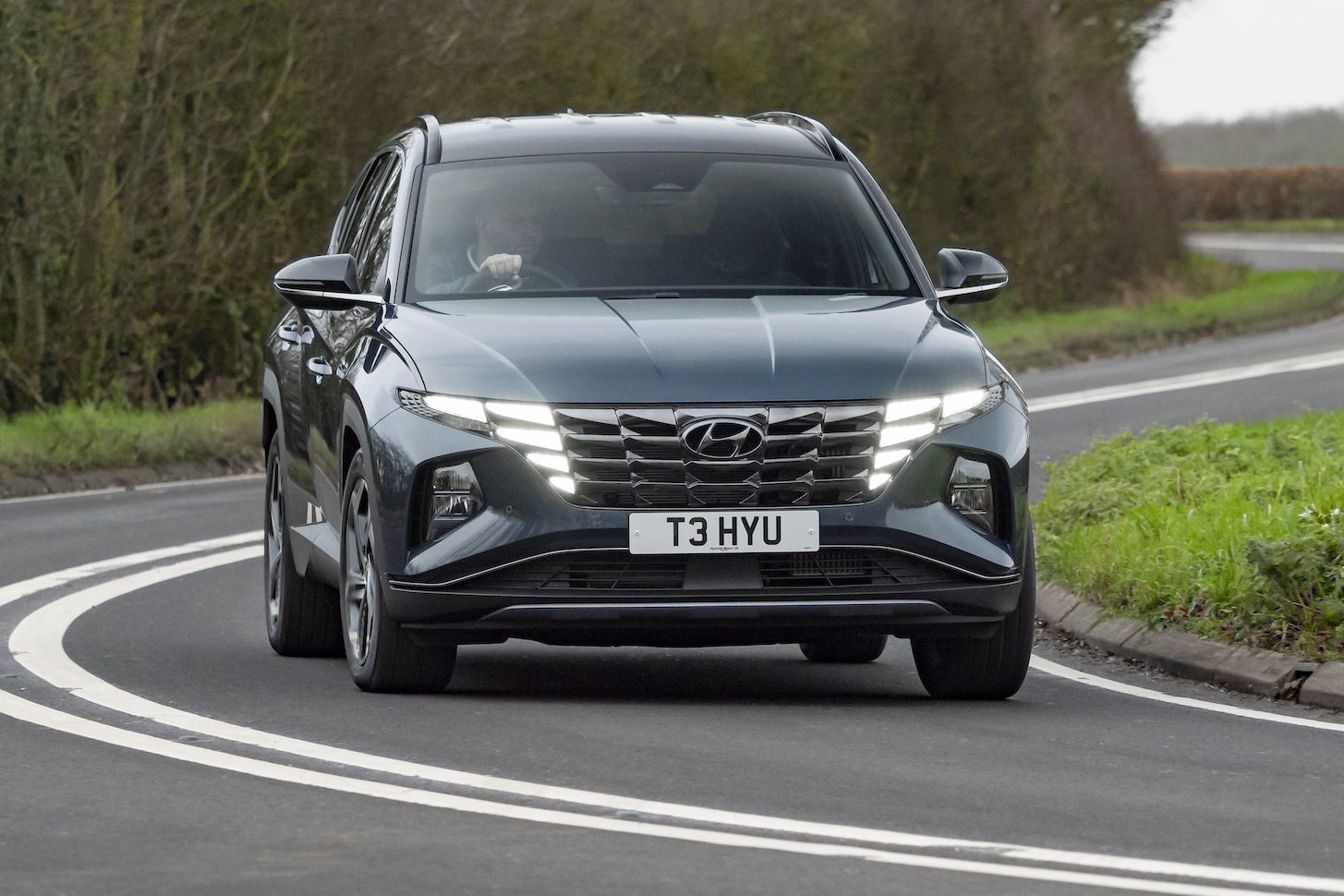
Like bigger sibling the Santa Fe, the original somewhat bland design has evolved into sharp, sculpted styling with one observer saying it looked American in design.
It now features a range of electrified, petrol and diesel as well as 48-volt mild hybrid options.
It certainly stands out from the crowd, featuring ‘parametric jewels’, which if you cut through the marketing speak is a form of lighting technology based on jewel patterns.
It has a sleek and chiselled profile also featuring the jewel design on the side of the vehicle.
In addition, it features LED headlamps, privacy glass, smart roof rails, and eye-catching 19-inch alloy wheels.
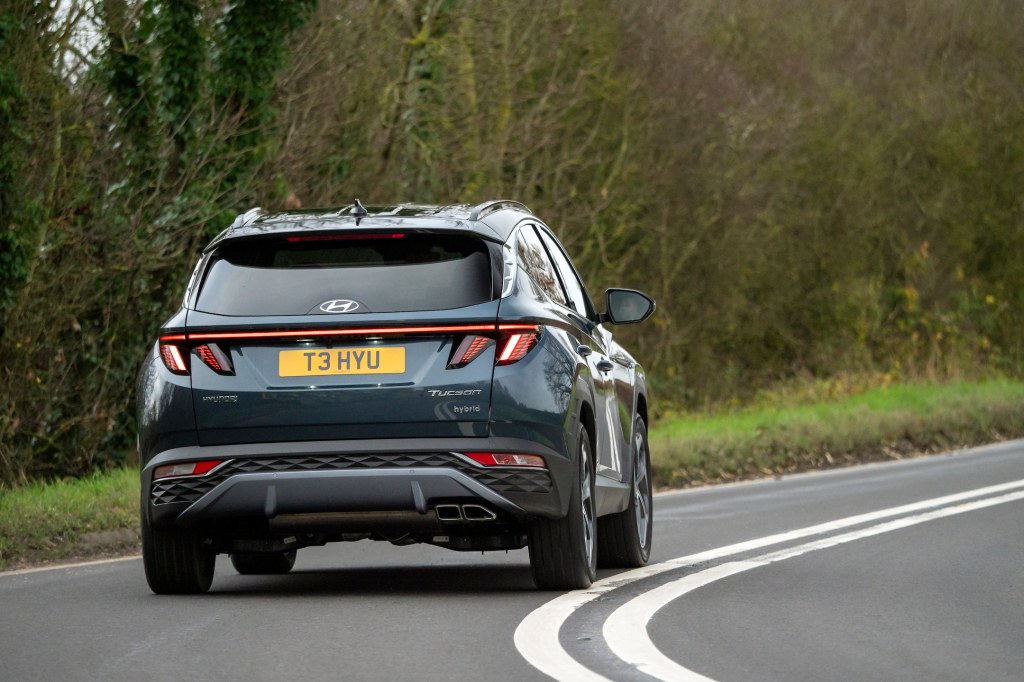
To the rear, the wide light clusters feature cat’s claw-like shapes, while the new bumper also integrates parametric pattern details.
The plug-in hybrid combination of a 1.6-litre T-GDi engine combined with an electric motor provides pace and economy and an electric only range of around 35 miles, not to mention low carbon emissions of 37g/km which make it an attractive company car.
It is mated with a seven-speed gearbox and the intelligent four-wheel drive delivers better handling, particularly in ice and snow, but as a ‘soft roader, is more than capable in anything but the worst conditions.
It looks good and the interior features high level trim, soft-touch finish, logical controls and switchgear, ventilated seats and three-zone climate control to offer an executive feel.
The touchscreen controls key features like navigation connectivity and a high-end KRELL eight speaker system and DAB radio.
It also offers connectivity for smartphones, Bluetooth with voice recognition and Bluelink Connected Car Services. There is also a wireless phone charging pad.
This range-topping Ultimate adds surround view monitor parking system with parking collision avoidance assist, remote smart parking assist and head-up display.
It also adds electric leather, heated fronts seats and electric sunroof. It is quick off the mark, sitting 60mph in around neight seconds, while the claimed economy in the near perfect world of running almost exclusively on electric is a whopping, but theoretical 201mpg.
In the real world, it all depends on how you drive it. If you drive locally and charge up regularly you will get that huge fuel economy, but with longer distances and motorway driving and the petrol engine then kicking in economy tumbles. Real world is nearer 60mpg.
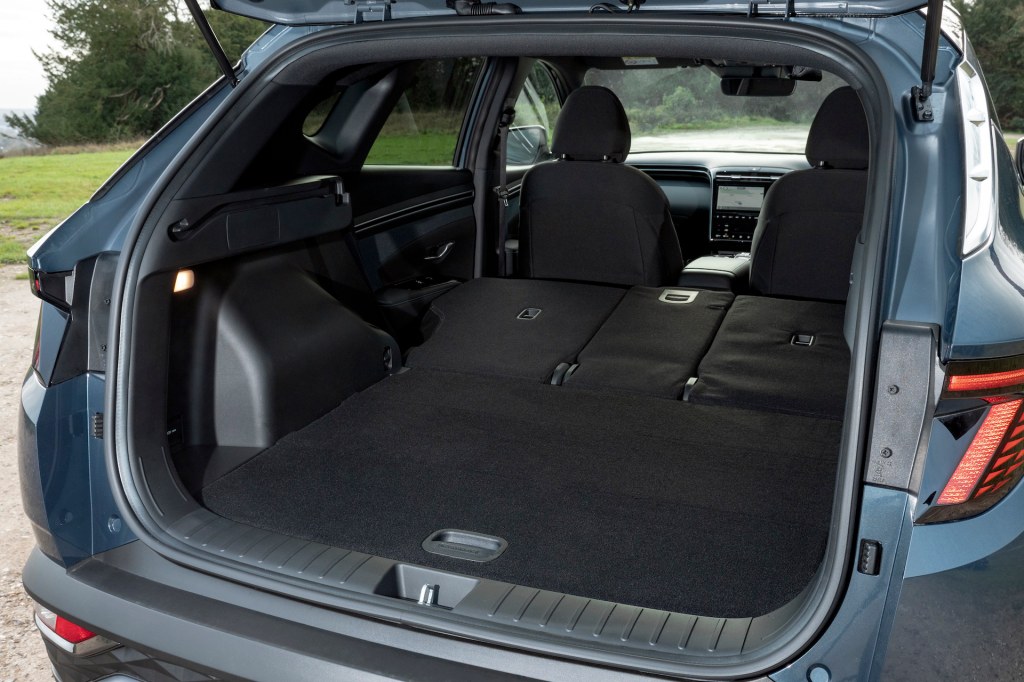
The largest Tucson to date is more spacious, with more rear legroom, while boot space and depending on the model, is now at 620 litres, rising to a huge 1,799 with rear seats folded. The 40:20:40 split seats can be lowered at the touch of a button.



On the road, the handling feels sharp and stable thanks to the Electronic Controlled Suspension (ECS) and adaptive damping technology.
This automatically controls suspension to maximise driving comfort and performance by monitoring driving conditions such as speed, road surfaces, cornering, stopping requirements and acceleration.
By controlling the damping force on each individual wheel, ECS reduces roll, pitch and vertical motion to enhance ride and handling. In ‘Sport’ mode, everything sharpens up for a more engaging drive.
It is also packed with safety kit, both active and passive, including the likes of stability control, lane departure, cross traffic, blind spot and leading vehicle departure alerts.
It’s quite a package and includes a five-year, unlimited miles warranty.
Factfile
Hyundai Tucson Ultimate 1.6 T-GDi Plug-in Hybrid
Price: £42,380
Mechanical: 265PS, 1598cc, 4-cylinder, petrol engine and electric motor driving four wheels via seven-speed auto box
Max Speed: 125mph
0-62mph: 8.2 seconds
Combined MPG: 66-202
Insurance Group: 21E
C02 emissions: 31g/km
Warranty: 5yrs/unlimited miles



 On the road