JAECOO 8 SHS
By Bill McCarthy
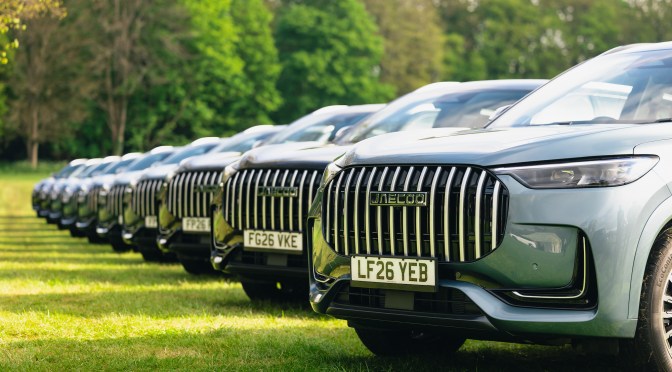
The first JAECOO I saw was on a trip to Devon, just after the brand’s launch. A JAECOO 7 sat in a pub car park. Curious, I took a closer look and found an SUV that blended the look of a Range Rover with a ‘waterfall’ grille reminiscent of a Jeep.
It clearly struck a chord with buyers, and a year later, it’s the best-selling car in the country. Owners, Chinese giant Chery, will be delighted and now the firm has moved upmarket with the new JAECOO 8 – a powerful, high-end, all-wheel-drive luxury vehicle.
The flagship SUV, the JAECOO 8 SHS-P, is a premium plug-in hybrid that brings three-row luxury to the brand’s line-up for the first time, available in two seating formats.
With prices starting from £45,500 OTR for the Luxury and £47,500 OTR for the Executive, it seriously undercuts similarly specced brands.
In addition, the warranty offers a seven-year / 100,000-mile warranty as standard, including an eight-year / 100,000-mile battery warranty.
Design and off-road capability
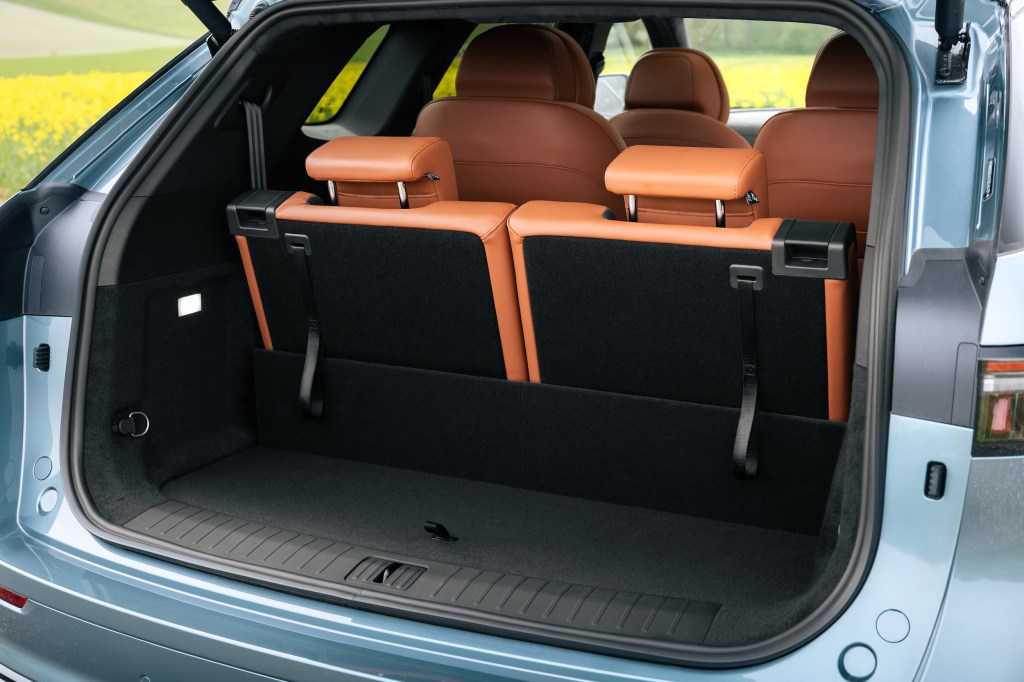
The Luxury version features seven seats in a 2-3-2 formation, while the more upmarket Executive model offers a 2-2-2 layout, with two captain’s chairs in the middle.
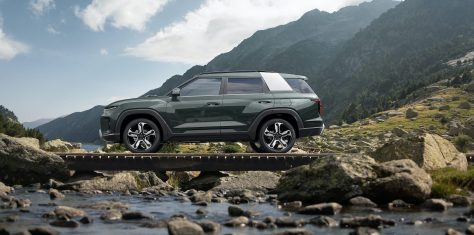
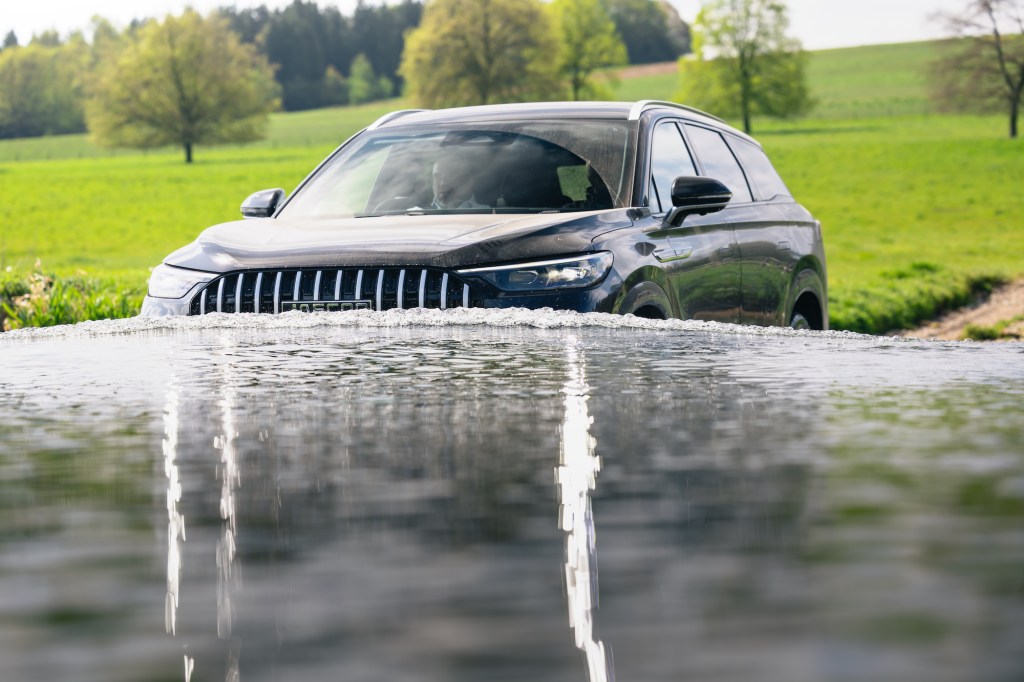
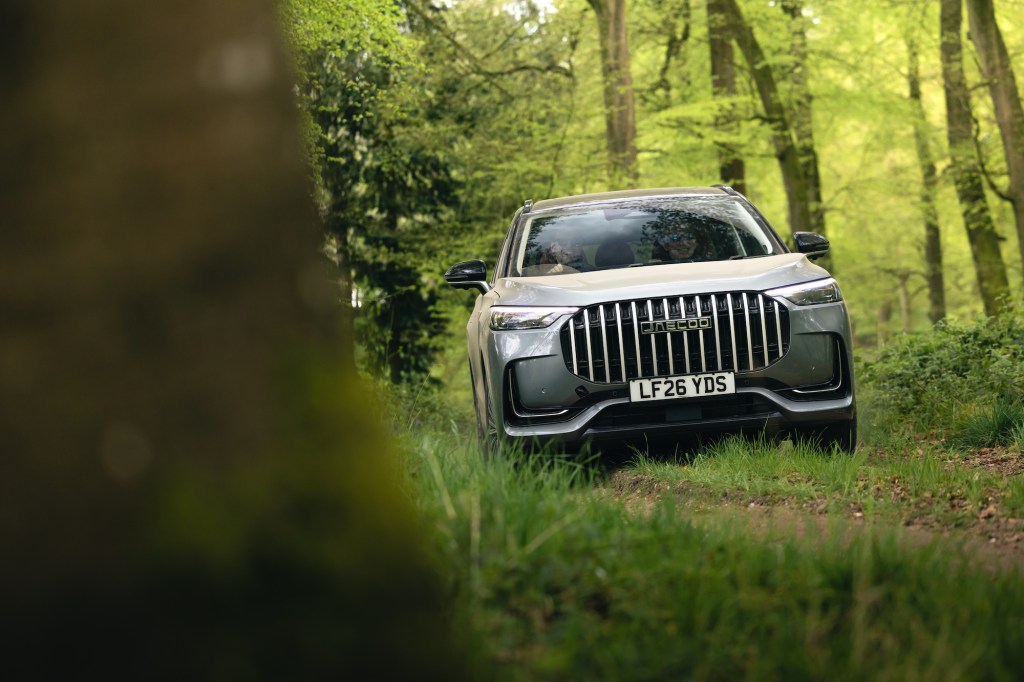
Both models are capable off-road, as demonstrated on a mildly challenging circuit on a country estate. I tested its adaptive all-terrain response and hill-descent control systems.

It remained stable and manageable even descending a ridiculously steep hill. It also includes settings for sand, mud and snowy conditions, plus lockable differentials for trickier terrain.
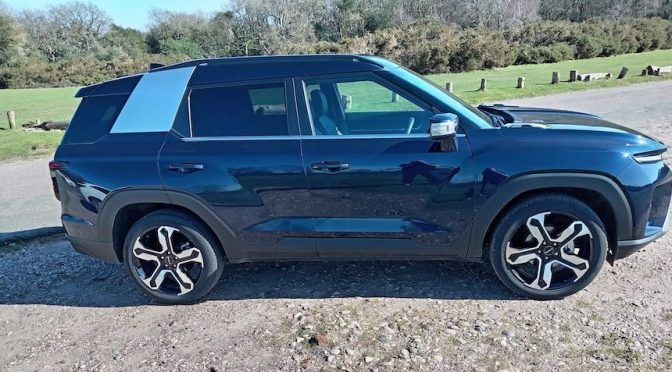
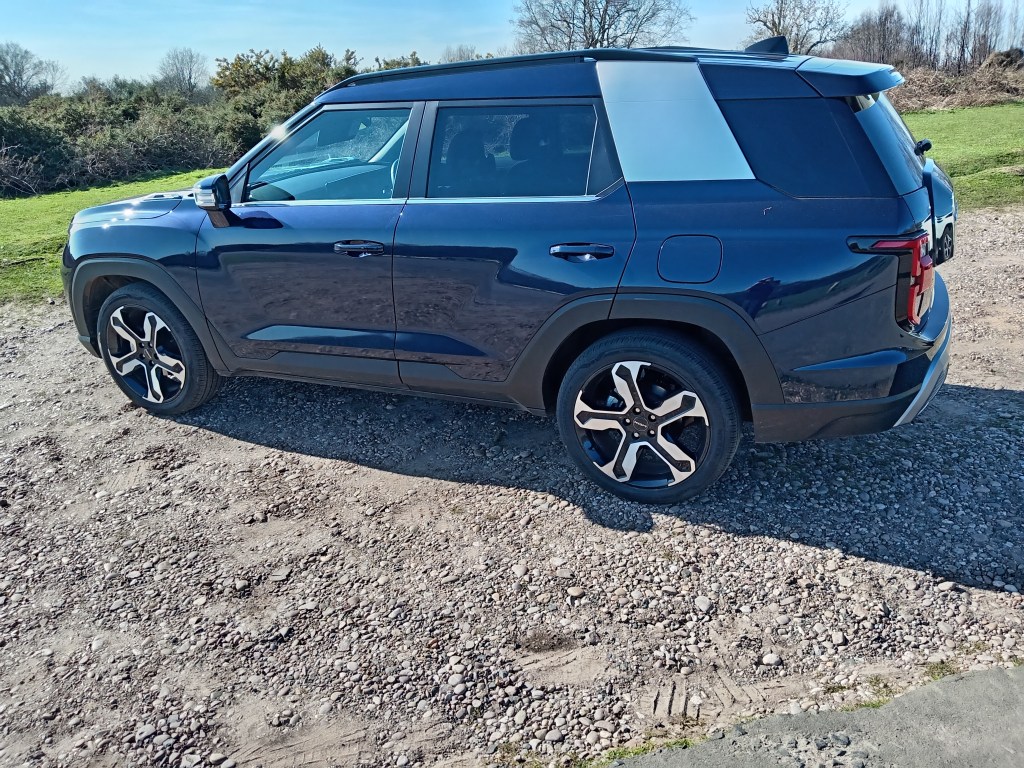
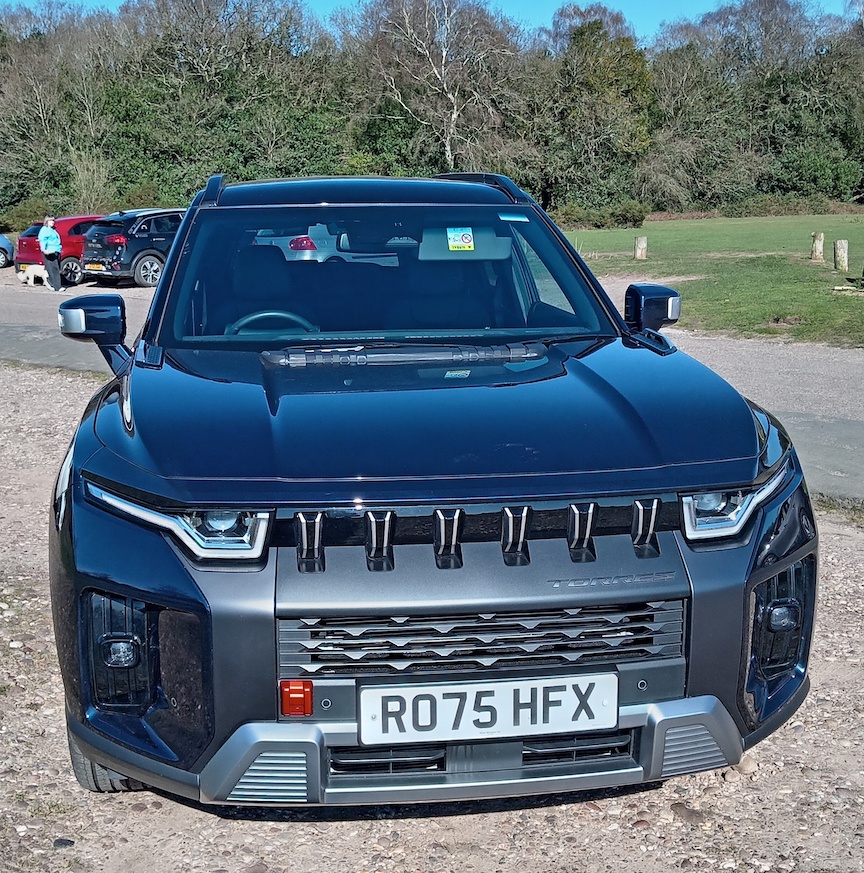
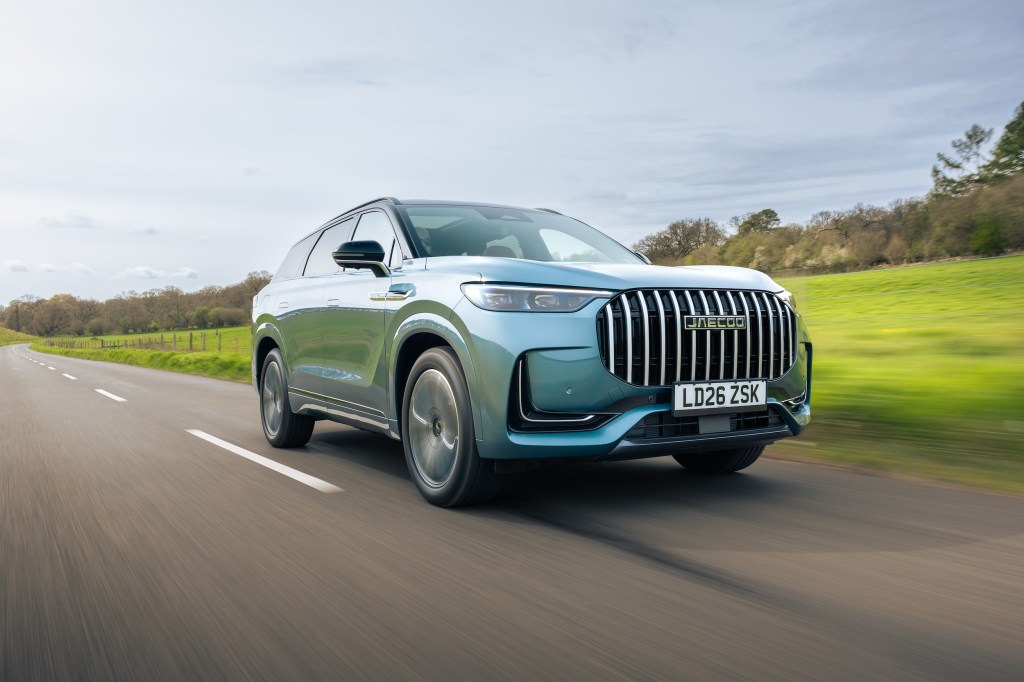
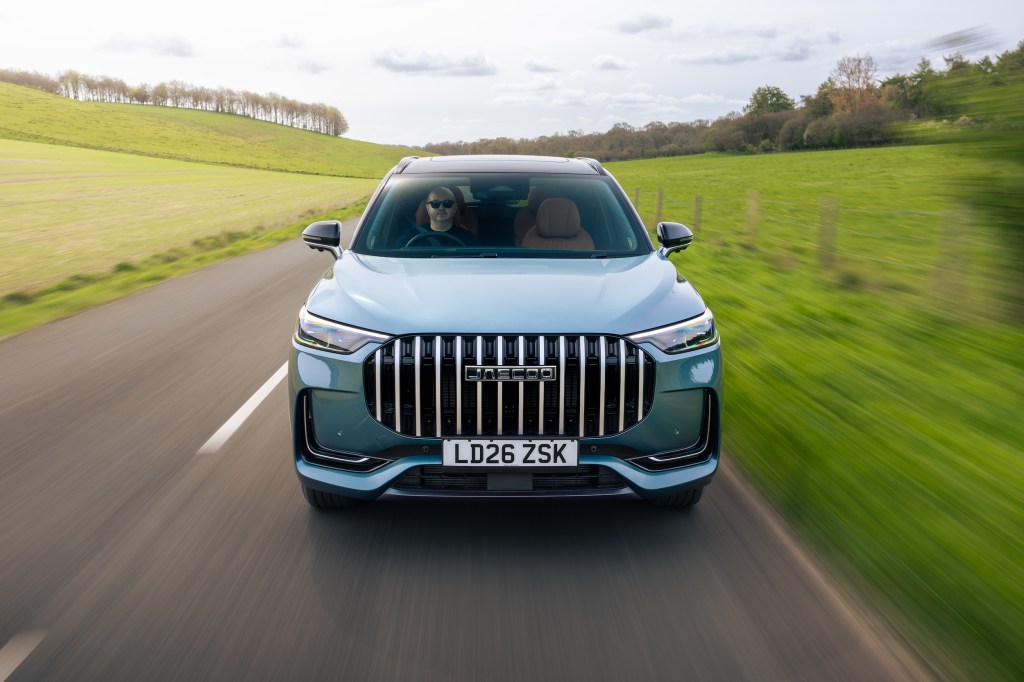
It’s a big vehicle and certainly looks the part. The popular waterfall design is retained here, and the elegant lines belies the vehicle’s genuine capability. It rides high off the ground with an impressive flood or streat wading depth of 600mm.
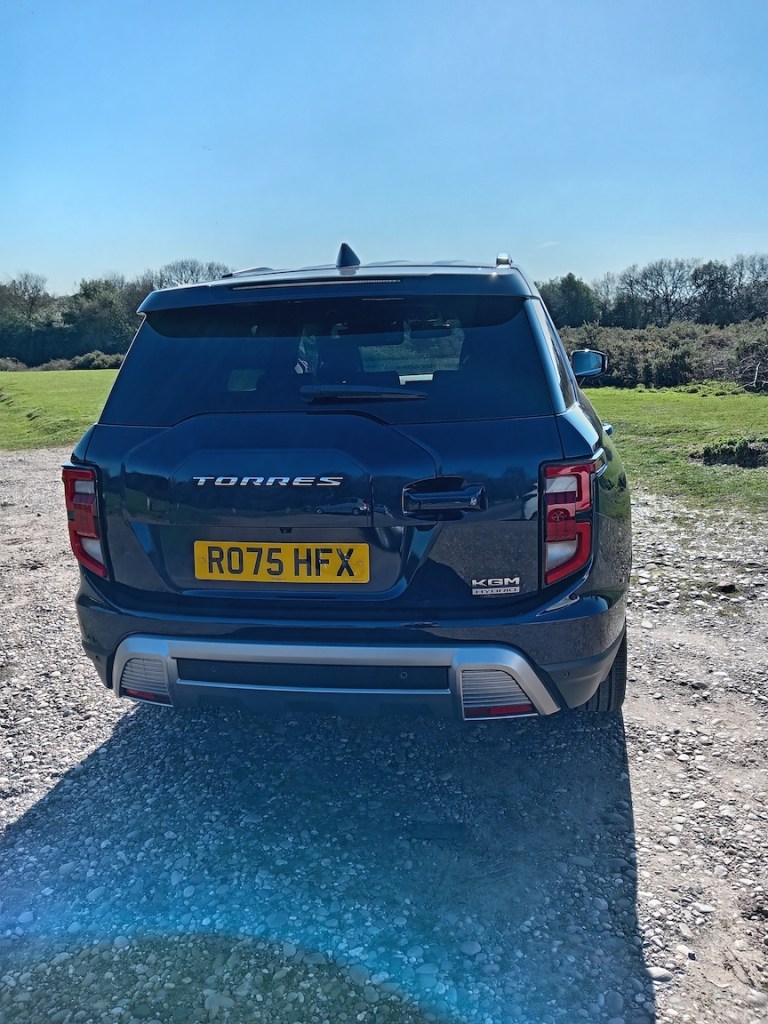
It also has some nat premium touches like hidden door handles and full-width LED taillights.
Luxurious interior
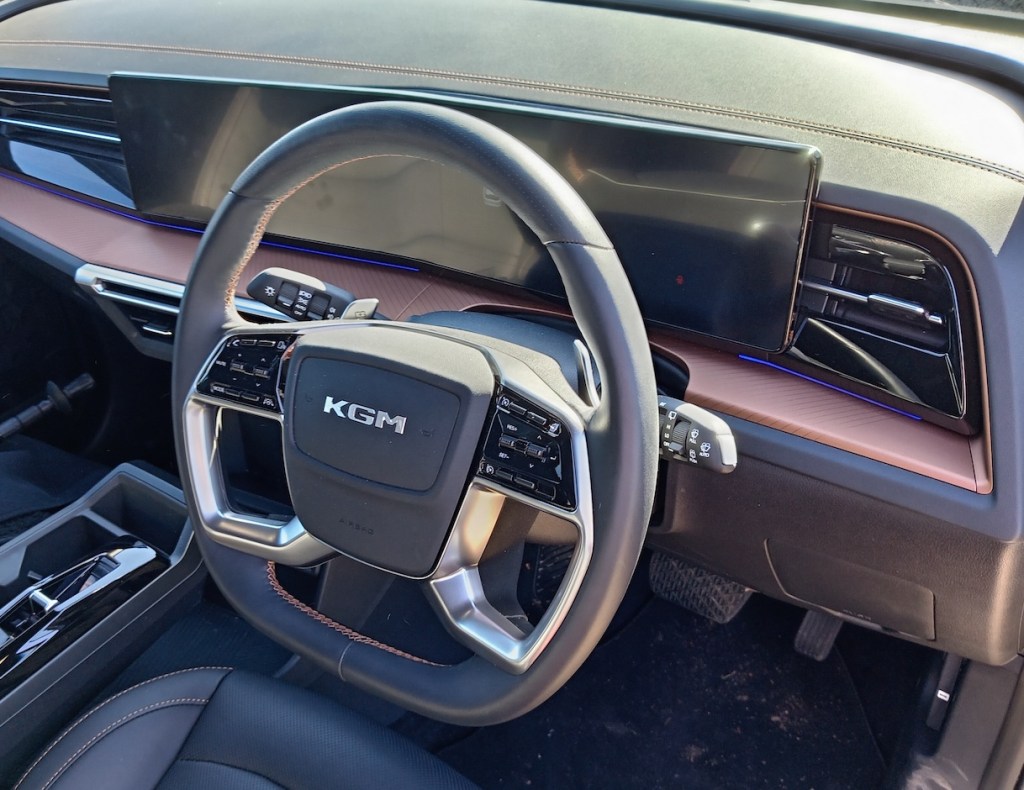
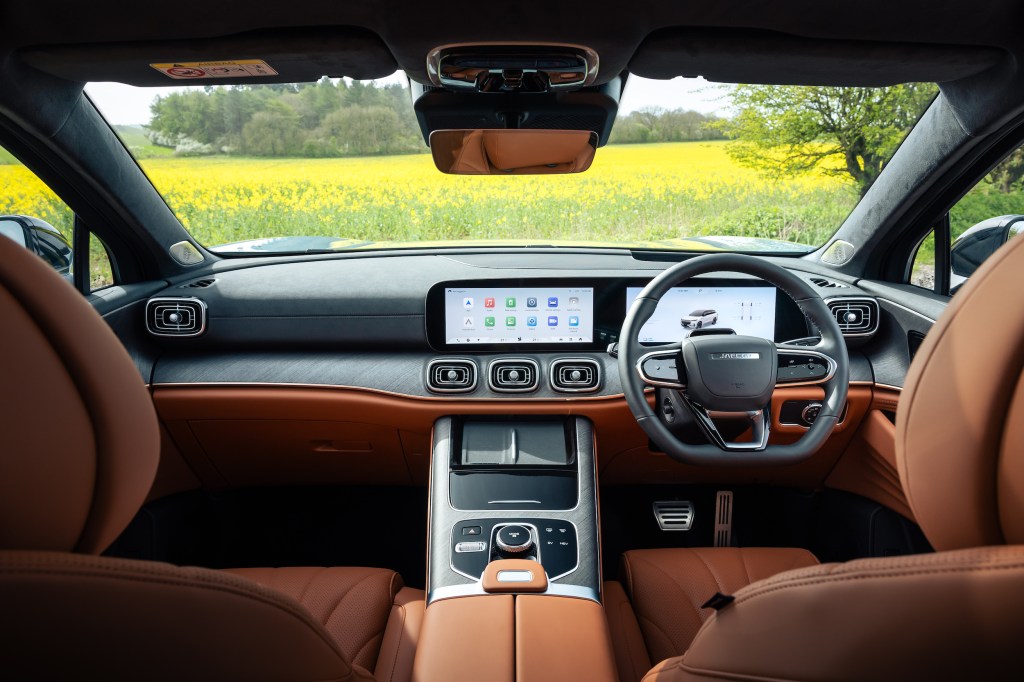
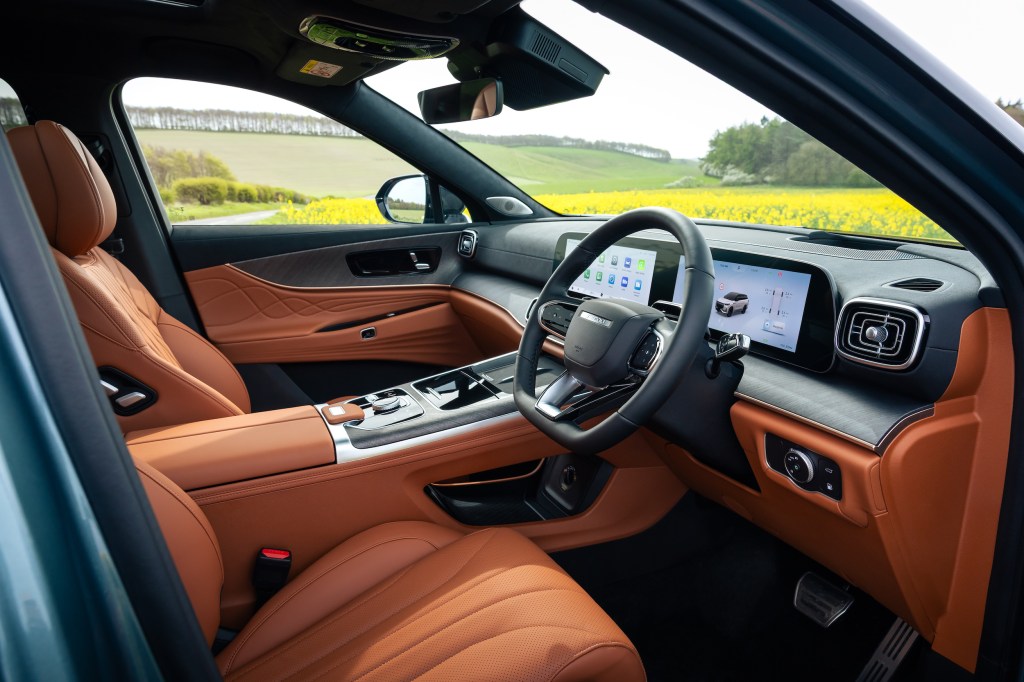
The interior feels premium, dominated by dual 12.3-inch displays that control major functions, including infotainment via a Sony 14-speaker sound system, smartphone connectivity, charging, and various apps.
However, I found the touchscreen difficult to navigate at first – the menus are not immediately intuitive, and it takes time to find key functions while driving (which of course you should never do).
The other main controls are logically placed and easy to use, if you like a gear selector where wiper stalkwould normally be. For the record, I don’t.
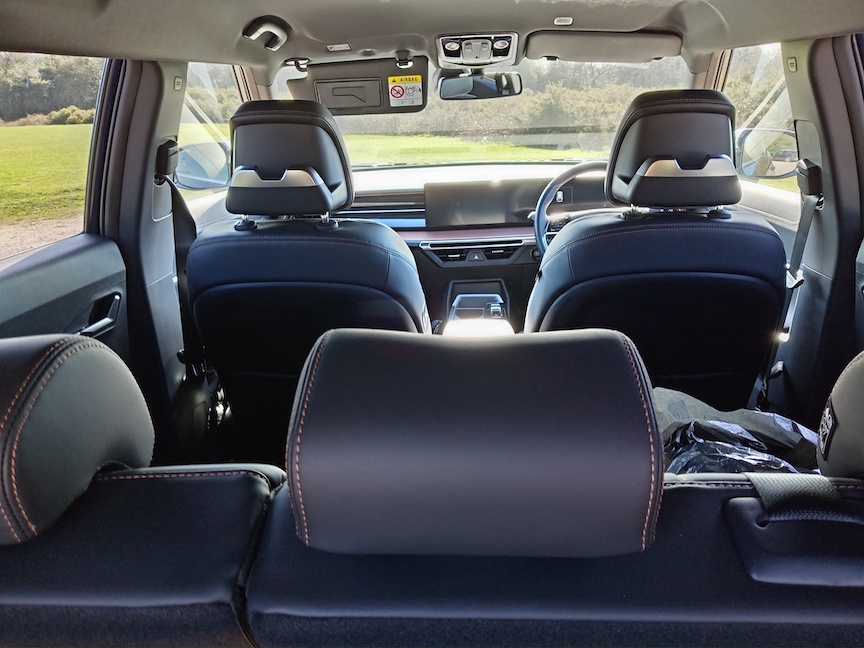
The Executive adds powered, massaging Nappa leather seats – four heated, ventilated, massaging captain’s chairs. The cabin is large and spacious, designed around the brand’s ‘Enjoy Each Moment Outdoors’ philosophy whatever that means, with ample headroom, legroom and an airy ambience.
Rapid performance
This is a powerful vehicle, which I was able to test on some challenging roads around the Area of Outstanding Natural Beauty that is the Chiltern hills.
Acceleration is very rapid for such a big vehicle, and both versions hit 60mph in under six seconds.
Power is delivered via parent company Chery International’s Super Hybrid System (SHS) – a 1.5-litre turbocharged petrol engine with a three-speed DHT (Dedicated Hybrid Transmission) and twin electric motors. Incidentally, all of the motors come into play when off-road.
Combined output is a huge 428 PS and 580 Nm of torque, which would make it ideal for towing.
Driving on these country roads, the car felt stable, although there is some inevitable lean on certain corners. Even a luxury model like this can be upset on poor road surfaces, but generally occupants are cocooned in a quiet, refined environment with a generally comfortable ride.
EV range
This is a plug-in hybrid, so the electric-only range matters. Chery claims around 80 miles on a full charge. On a short test drive, that was difficult to judge, but that is more than enough for most people’s daily commute without touching the petrol engine.
Once the battery is flat, you’re looking at official fuel economy around 40-50mpg. Not class-leading, but fine for a big seven-seater.
Practicality and storage
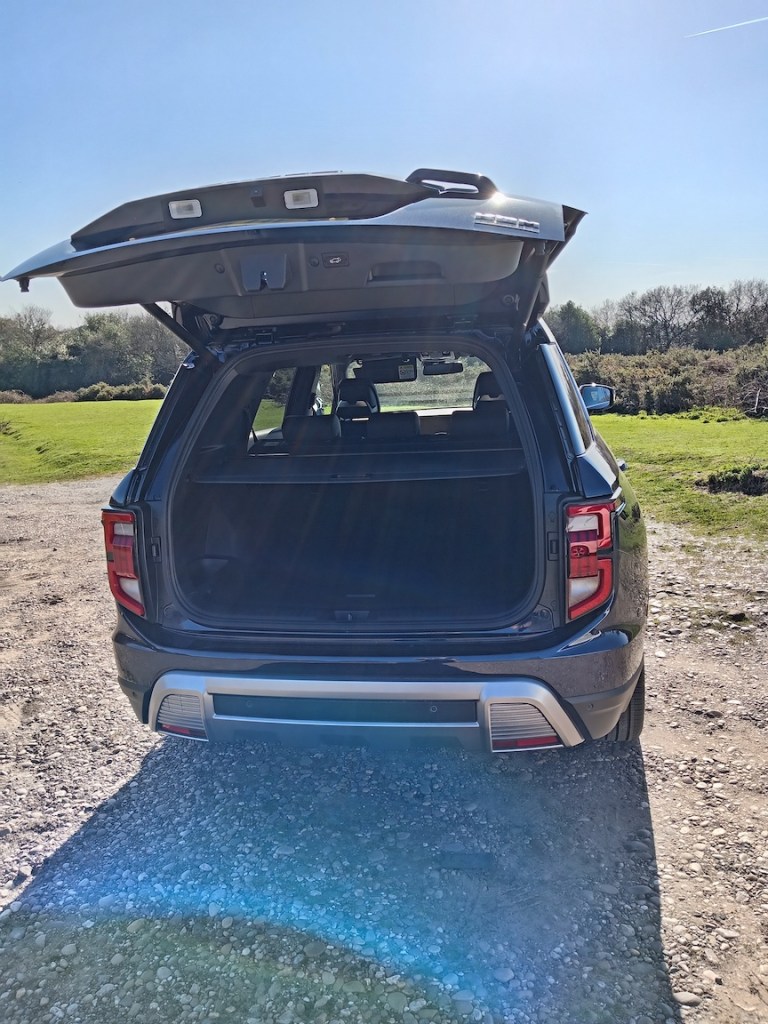
Boot space is substantial – cavernous, actually – with a capacity of 738 litres with the second row in place, expanding to a mammoth 2,021 litres with the rear seats folded. That’s enough to swallow a large furniture item, the dog and probably the kitchen sink, comfortably.
There’s a large centre console bin, a multitude of door bins, plus under-floor compartments for extra storage.
Verdict
The JAECOO is an attractive, well-rounded package – a true two-in-one choice between a seven-seat family hauler and a six-seat luxury cruiser, backed by punchy hybrid performance and rare off-road hardware such as lockable diffs.
The touchscreen can be as bit of a learning curve at first, and it leans, unsurprisingly, into bends. But as a spacious, well-specced, genuinely off-road-capable hybrid SUV with a seven-year warranty, it’s a cleverly priced alternative to far more expensive rivals.