
BYD Dolphin Surf Comfort
By Bill McCarthy
While many mainstream manufacturers are retreating from the city car and supermini segments – deeming small, affordable vehicles incompatible with EV development costs – BYD is charging in the opposite direction.
The Dolphin Surf is a compact, electric city car that doesn’t feel cheap, just smart and funky. UK pricing starts at £17,682 OTR for the Surf Active, with Boost models from £21,950 and the range-topping Comfort from £23,950.
Smart design
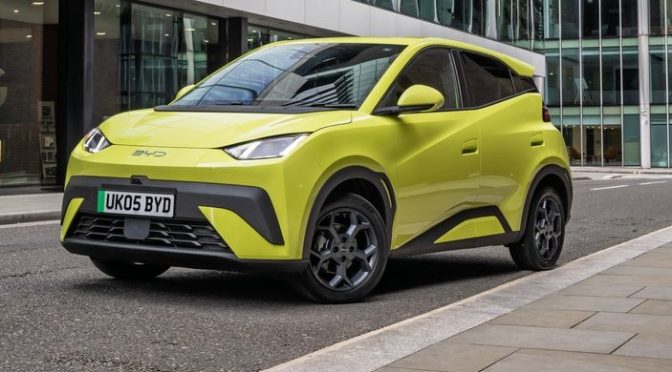
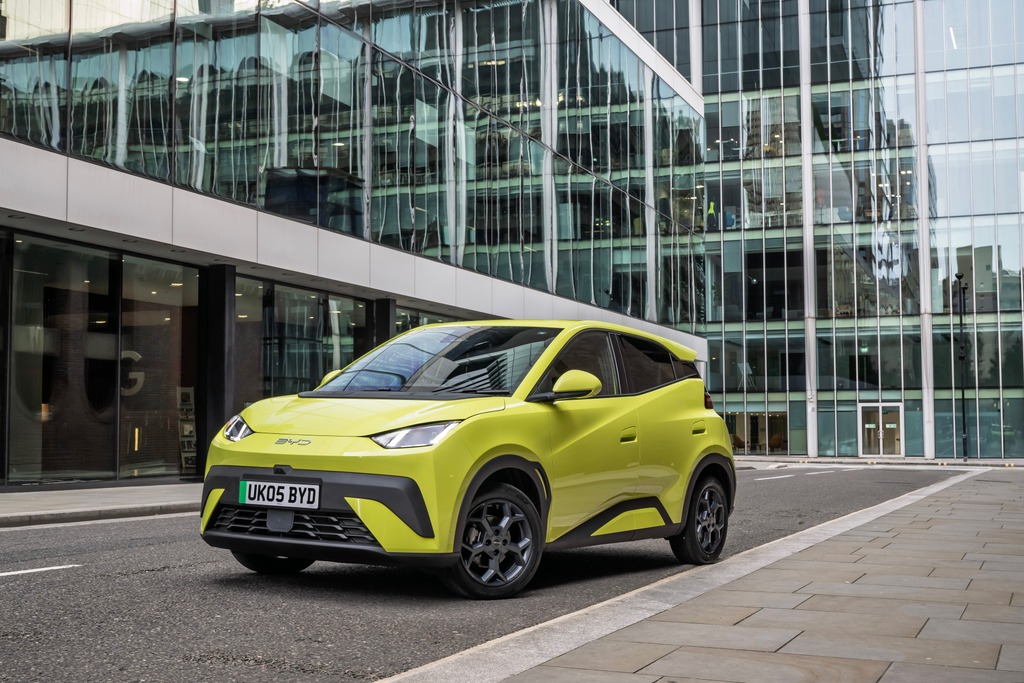
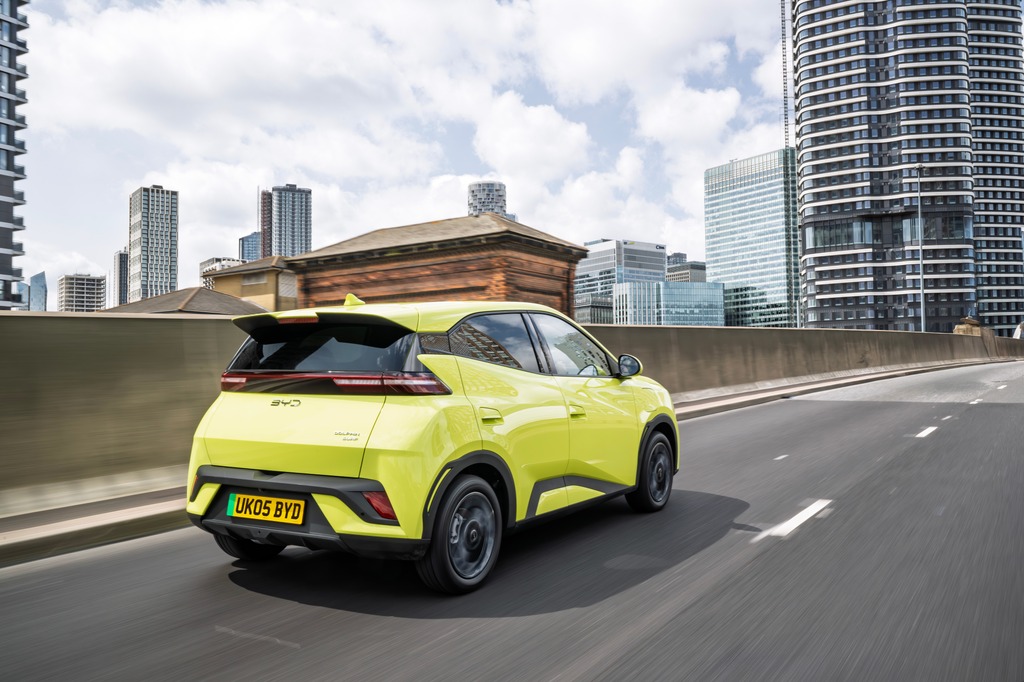
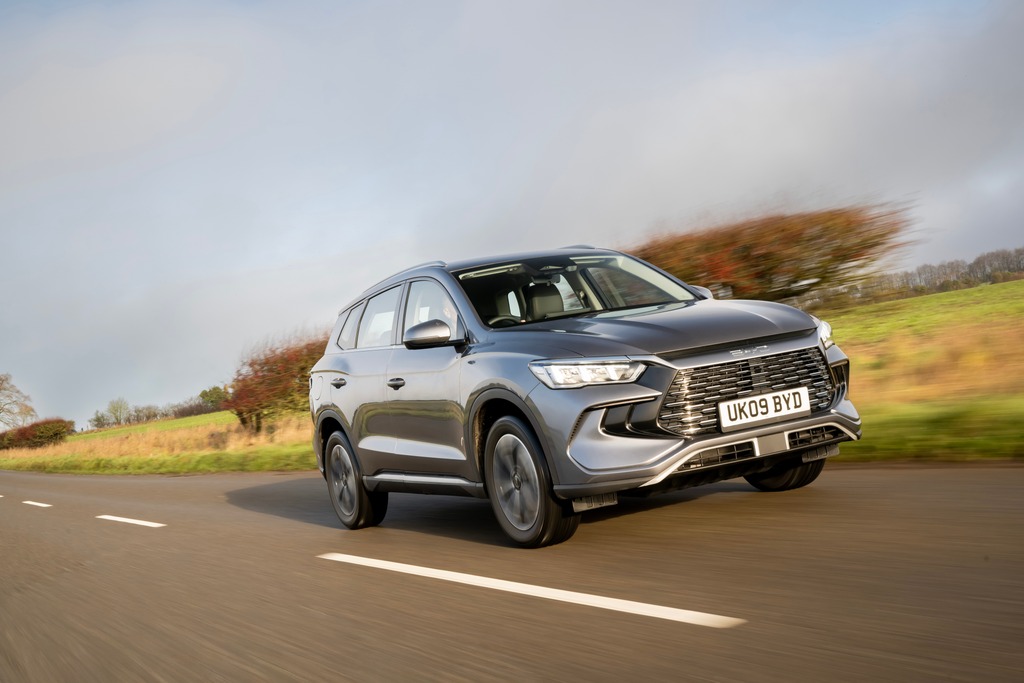
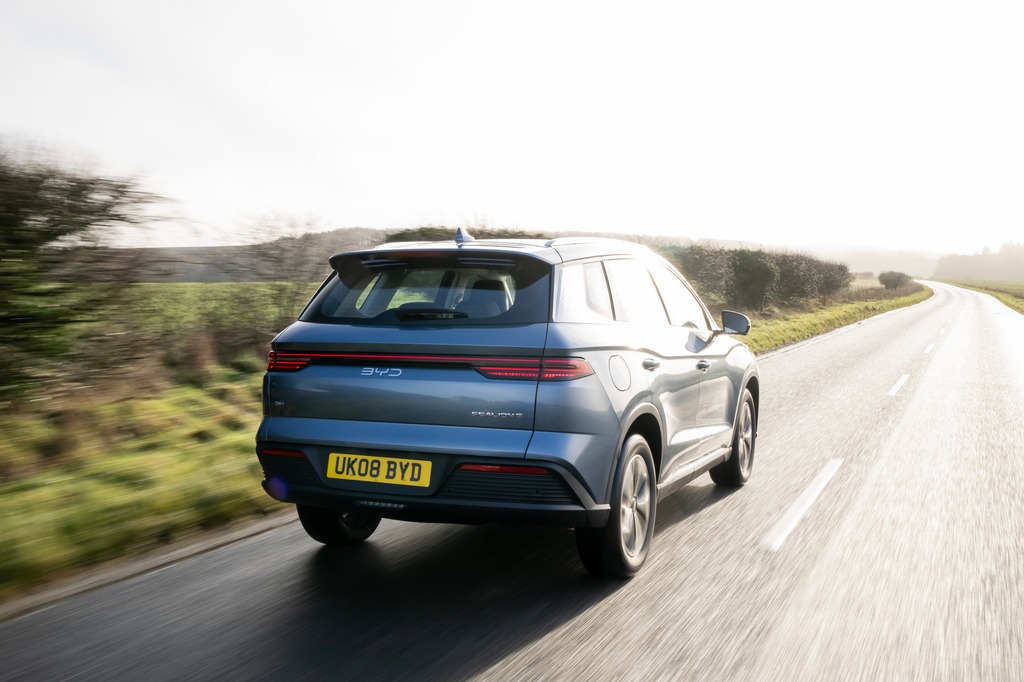
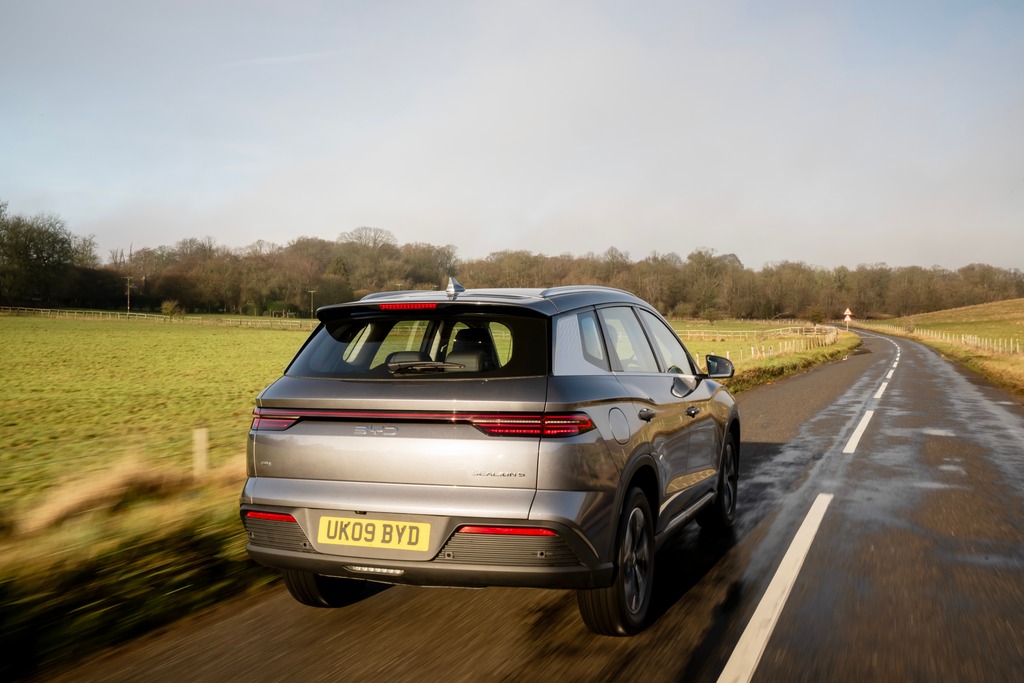
At under four metres long, the city car feels far more substantial. The tall, boxy shape maximises interior space, yet sweeping lines and angled headlights give it real road presence. A dot-matrix C-pillar creates a floating roof effect, while to the rear is a full-width LED light bar. The look is complemented by a not-so-subtle roof spoiler and stylish alloy wheels.
Interior and technology
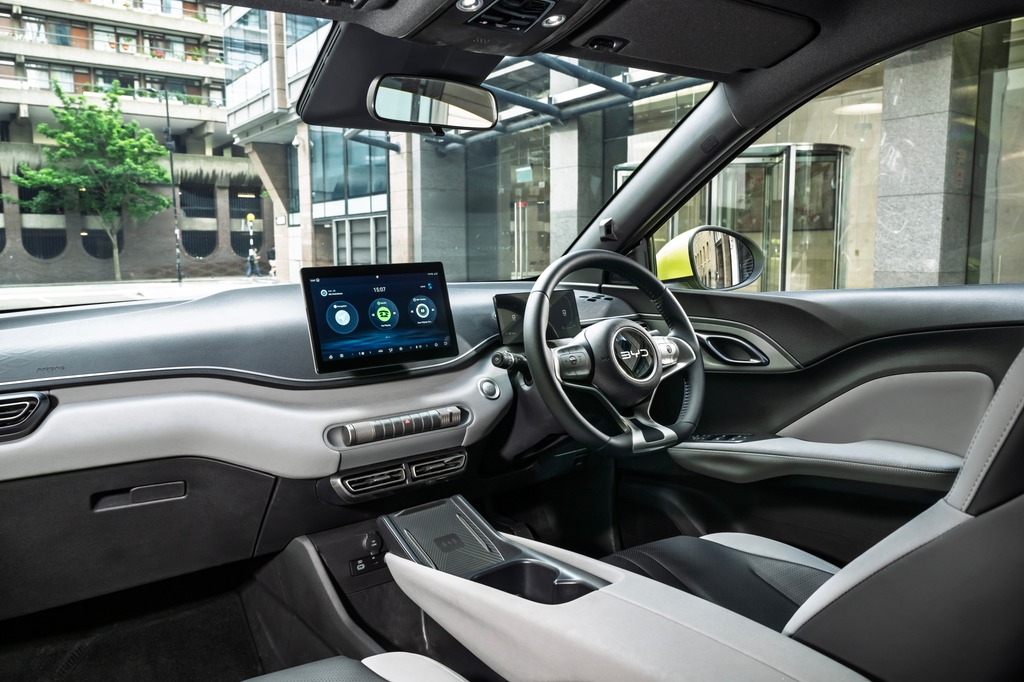
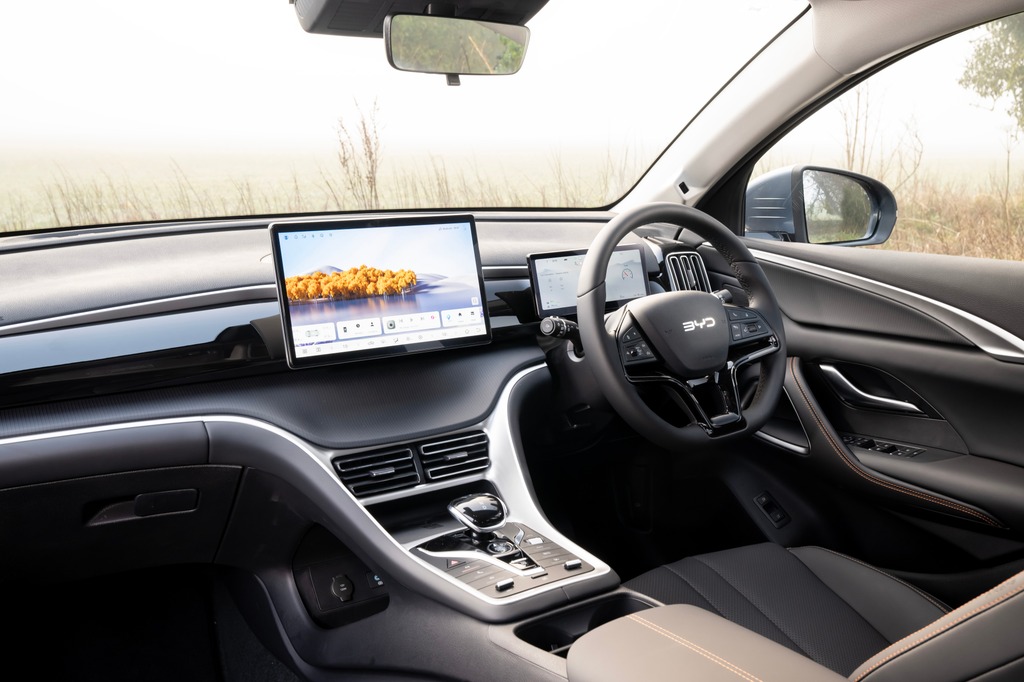
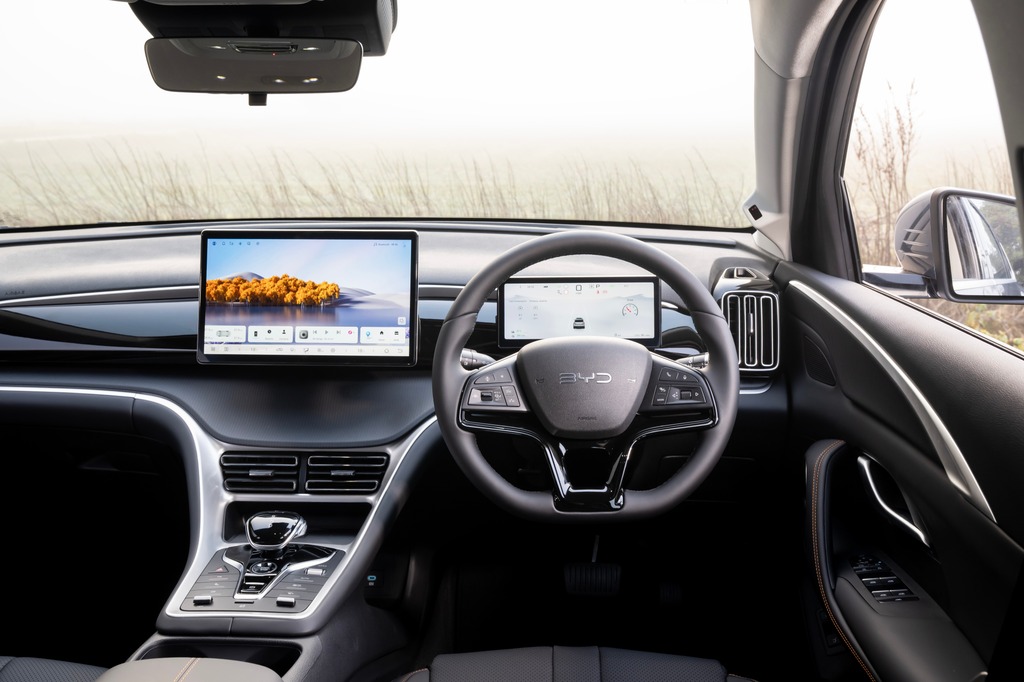
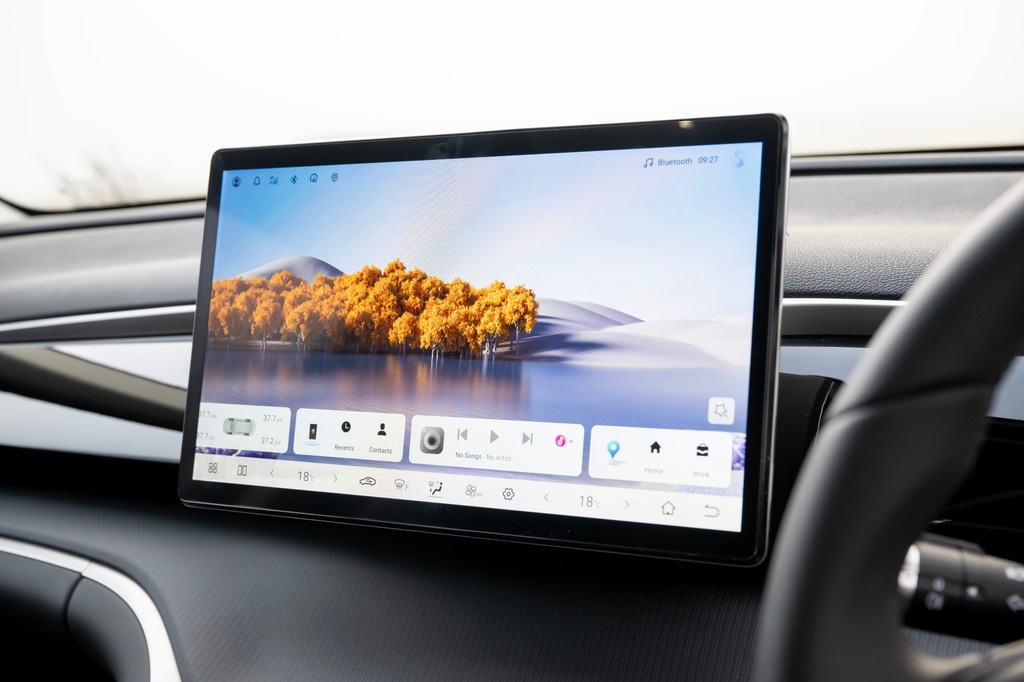
BYD’s Ocean theme anchors the cabin with its signature ‘Wave Shape’ instrument panel, dominated by the standard 10.1-inch rotating touchscreen.
This centrepiece runs the latest interface, featuring customisable shortcuts and seamless smartphone integration with wireless Apple CarPlay and Android Auto and apps.
A slick feature includes controlling the ventilation by simply swiping three fingers up or down on the central screen. Intuitive voice command is activated with a simple “Hi BYD,” allowing key functions to be managed hands-free.
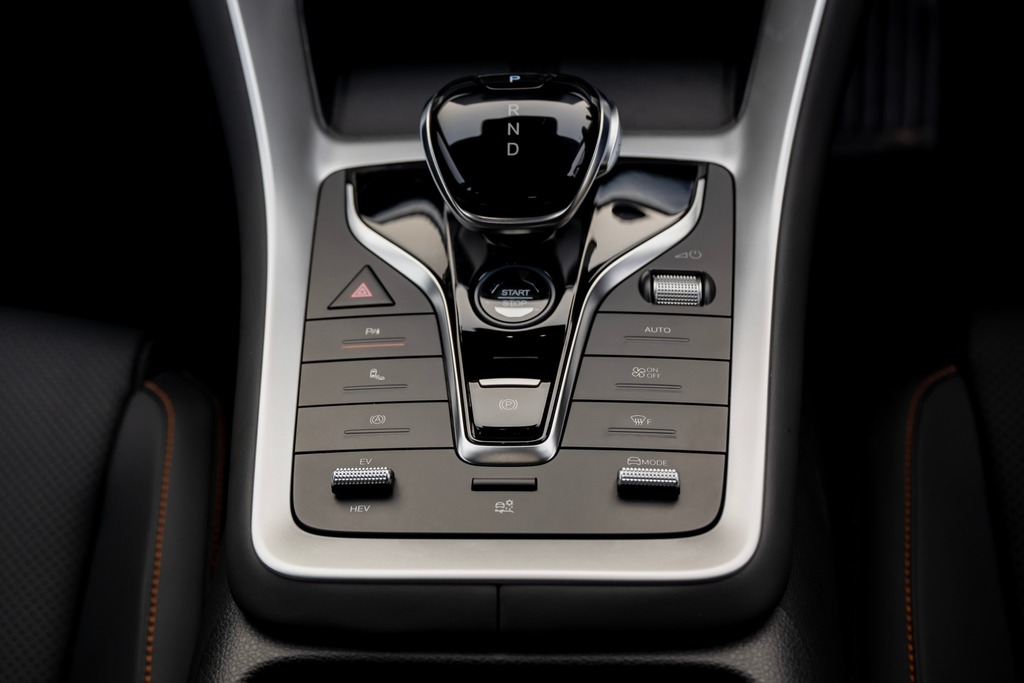
This is important as screens grow ever more complex and can be distracting. So much so that from this year, safety body Euro NCAP requires new vehicles to have physical buttons for key functions to achieve a maximum five-star safety rating.
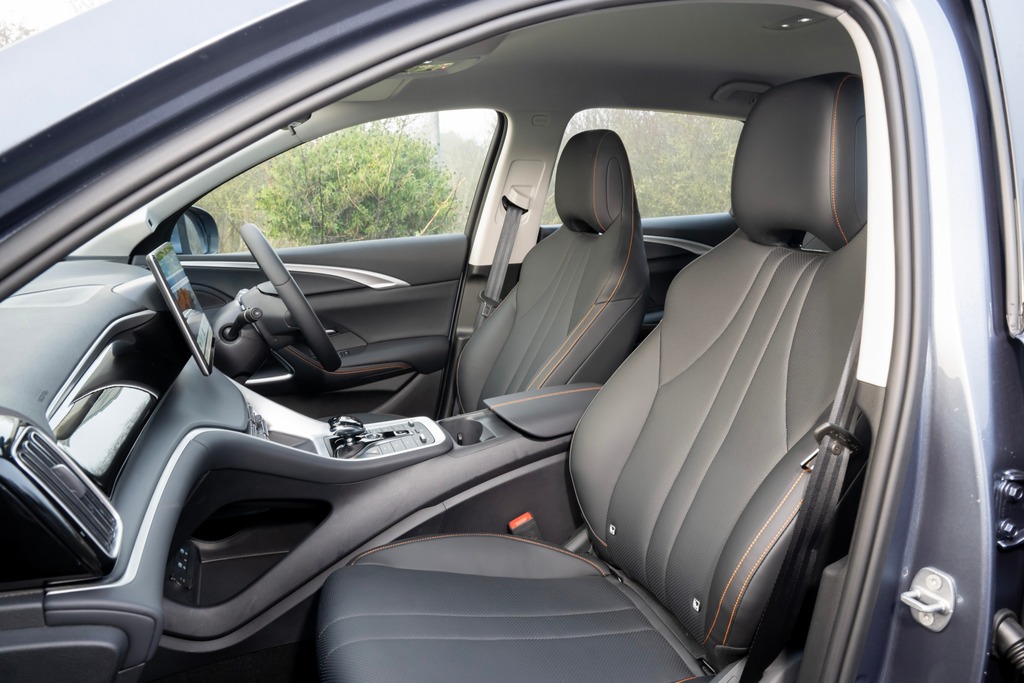
Standard kit is generous even on the base Active model, featuring vegan leather seats, a rear-view camera, adaptive cruise control, and V2L capability. Stepping up to Boost trim adds a larger battery, 16-inch alloy wheels, electric front seat adjustment, rain-sensing wipers, and power-folding mirrors.
The range-topping Comfort model adds a 360-degree camera, LED headlights, rear privacy glass, heated front seats, and wireless smartphone charging. That’s a lot of equipment for the money.
Practicality
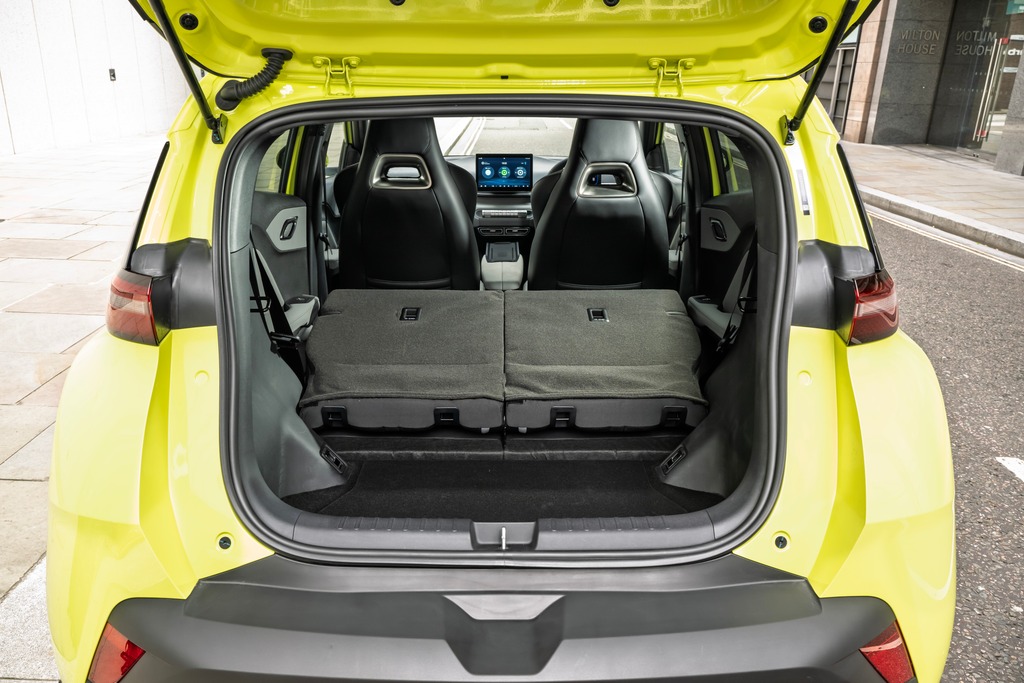
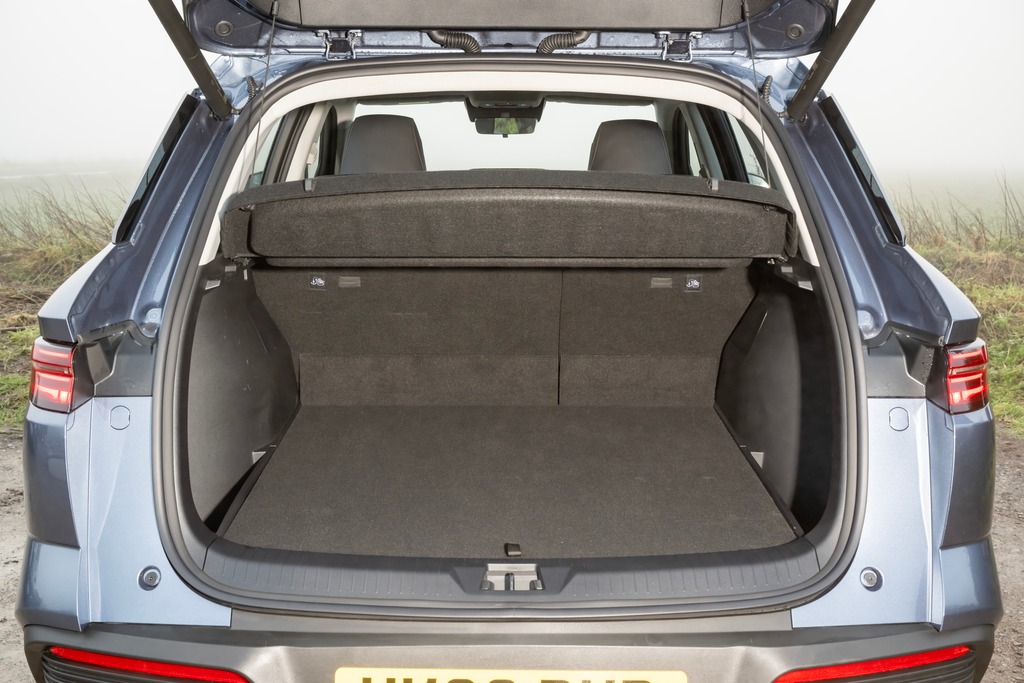
With 308 litres of cargo space, the boot offers class-leading capacity comparable to many B-segment cars. Folding the rear seats opens up over 1,000 litres for larger loads. Storage features 20 clever compartments throughout the cabin, including a dedicated hideaway under the boot floor where the charging cable can be stored.
Performance and range
The Dolphin Surf prioritises urban efficiency over performance, powered by BYD’s safe Blade Battery – a signature brand of the company. It is available with a 30kWh pack in the Active trim or a 43.2kWh pack in the Boost and Comfort variants, with the latter receiving a 95kW (127bhp) motor.
Acceleration is modest, reaching 62 mph in 12.1 seconds for the Boost and Comfort trims, while the lighter Active manages 11.1 seconds. WLTP Combined range peaks at 200 miles for the larger battery, extending to 305 miles in city driving – plenty for typical commuting.
On a mixed weather condition run, the range never exceeded 180 miles and dropped dramatically in heavy rain. A figure of around 150-170 miles in real-world mixed driving seems nearer the mark.
On the road
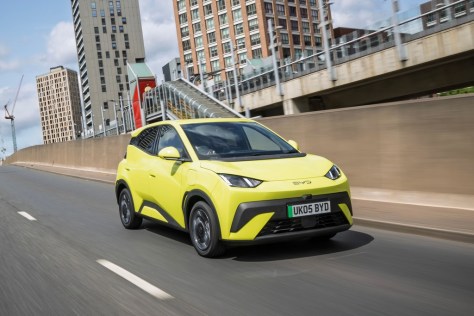
The vehicle is well-suited to brisk city driving, where its light, effortless steering is ideal for navigating and parking in tight spaces – aided by an impressively tight turning circle. However, it can feel a bit vague at higher speeds on the open road. When the accelerator is fully depressed, there is the occasional wheelspin from the front driven wheels.
On the road, it feels comfortable, but becomes unsettled on poorer quality surfaces. Refinement is strong, however, with minimal powertrain noise – just a distant electric motor whine.
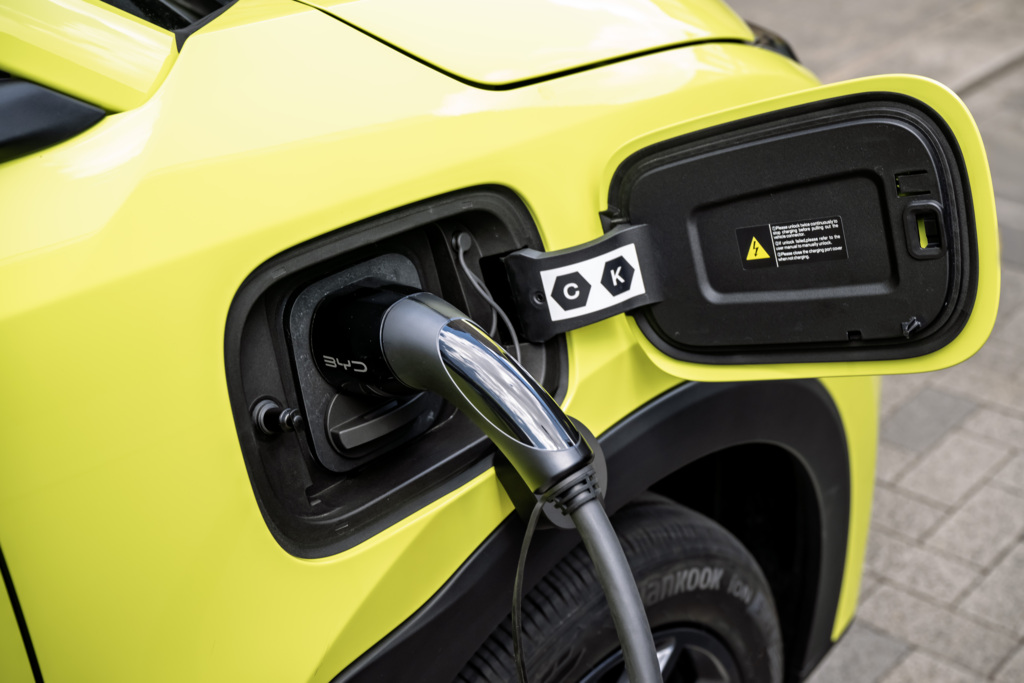
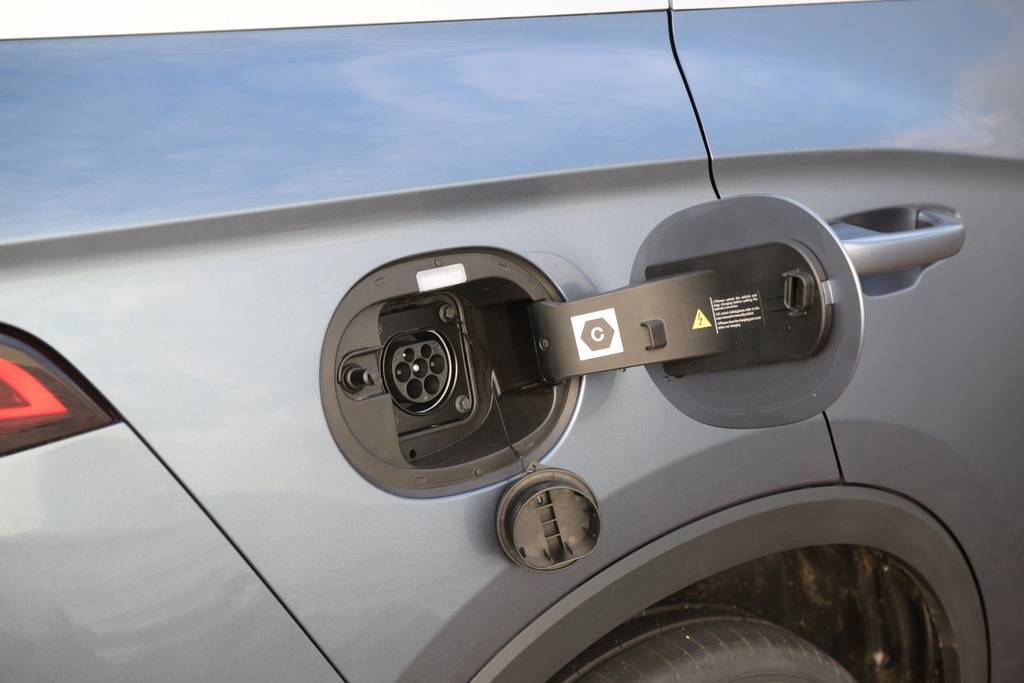
Charging is practical: a 30-minute DC boost takes it from 10-80%, while a full AC charge at home takes approximately two hours. The V2L feature allows you to power household appliances directly from the car.
Safety and ownership
Safety is well covered for the segment, with equipment including a suite of airbags, adaptive cruise control, autonomous emergency braking, blind spot detection, lane keep assist, and rear cross-traffic alert. The 360-degree camera on Comfort trim makes parking effortless.
Ownership peace of mind is boosted by a 6-year/93,750-mile vehicle warranty and BYD’s comprehensive 8-year/155,000-mile warranty on the battery t You can also unlock the car with your phone via NFC and start the climate control remotely via the app.
Verdict
At a time when some manufacturers are retreating from small cars, the Dolphin Surf offers genuine affordability and clever packaging. The real-world range is reduced in poor weather, but for urban duty, it is more than sufficient – and cheap.
Established rivals still hold the advantage of longer track records, but BYD’s strong warranty provides reassuring cover.
Factfile
- Model: BYD Dolphin Surf Comfort
- Price: £23,950
- Mechanical: 95kW (127 bhp), front-axle electric motor, single-speed automatic
- 0-62mph: 12.1 seconds
- Max Speed: 93 mph (estimated)
- Range: 200 miles (claimed WLTP Combined); 160-170 miles (estimated real-world)
- CO2 emissions: 0 g/km
- BiK rating: 3%
- Warranty: Six years/93,750 miles; battery 8 years/155,000 miles
 On the road