
Volkswagen T-Roc 1.5 eTSI
By Bill McCarthy
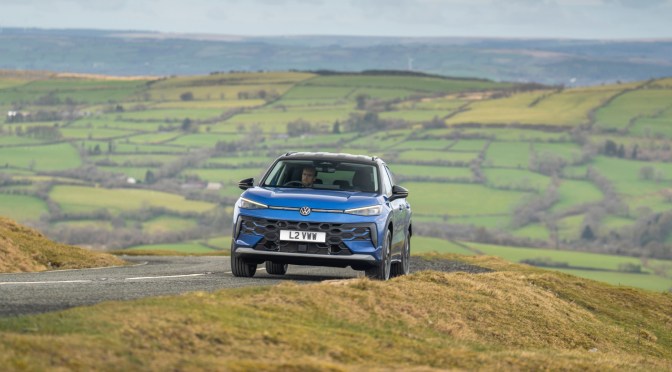
Volkswagen’s T-Roc has been a smart, compact SUV since it hit the roads– and the new 2026 version is no different. Well, actually, it is. The latest version comes with a revised design inside and out, a significant increase in size and interior space, new drivetrain options, and the latest Volkswagen technologies and assistance systems.
Exterior design
The T-Roc has been a massive success for Volkswagen, with over two million sold since 2017. This new model sits on the latest MQB evo platform, bringing clever chassis and tech upgrades from its bigger siblings – including ‘big car’ assistance systems like Travel Assist and Park Assist Pro (optional on Style and R-Line).
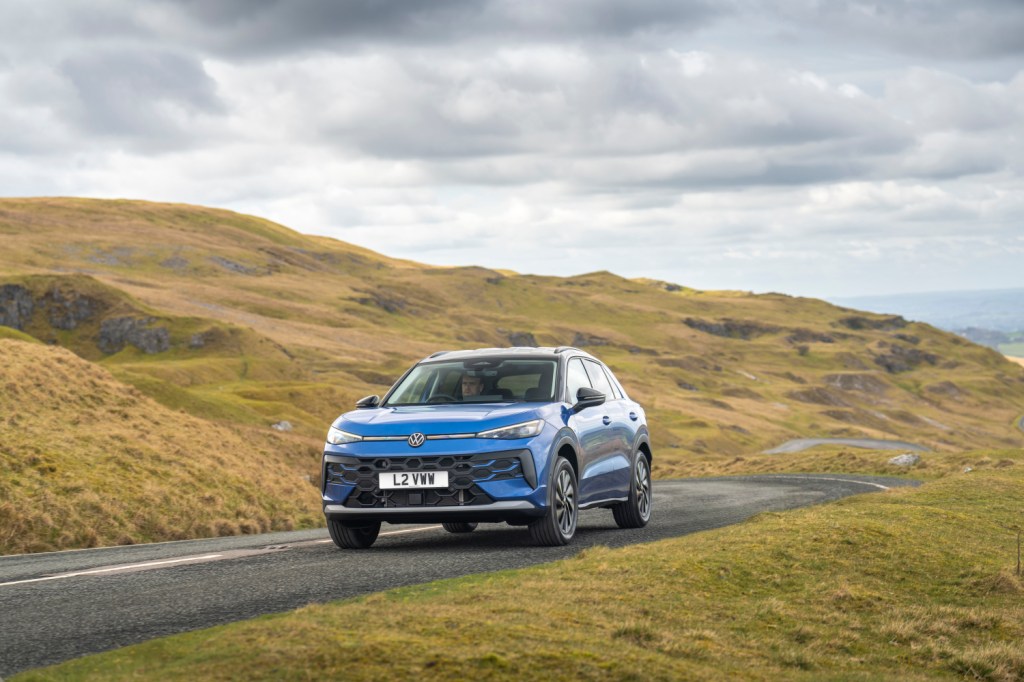
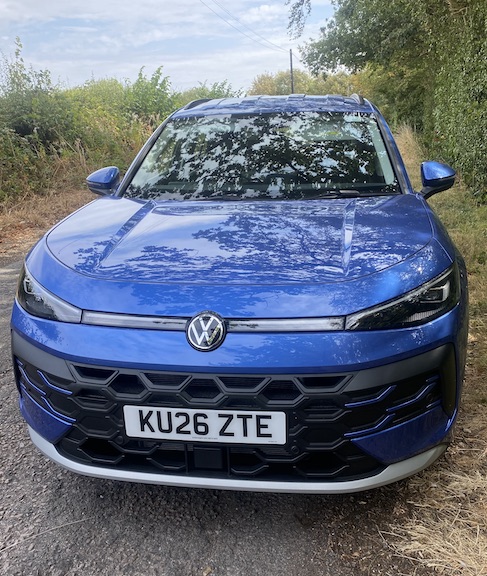
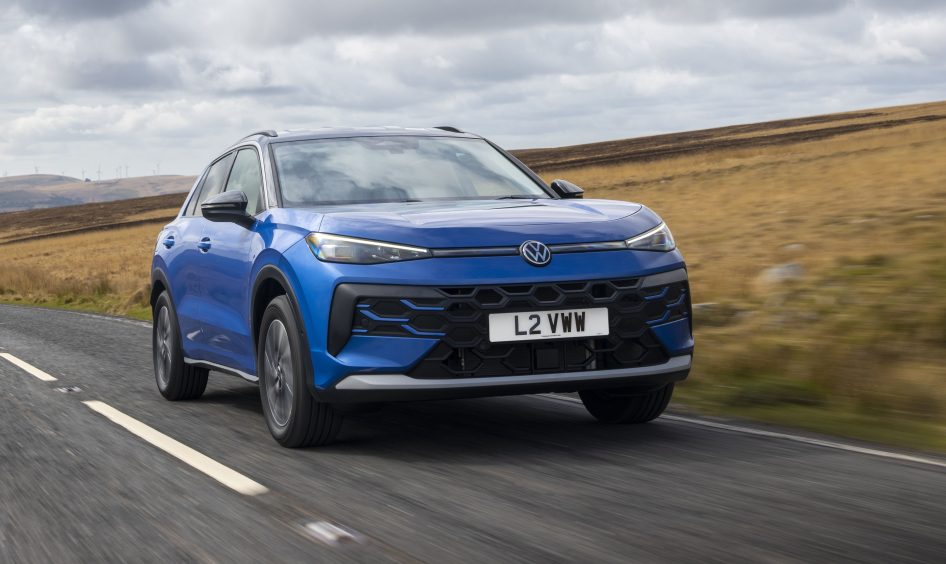
It’s 122 millimetres longer, with a stretched wheelbase, and you feel the difference the moment you climb in. The exterior is clean and modern, with a stylish, dynamic profile.
I spent a week in the Life trim, the entry point to the range. It’s not the flashiest but it ticks most boxes, especially on price. Standard 17-inch alloys and understated body styling give it a neat, tidy look that ages well.
LED headlights are standard, and I really like the illuminated Volkswagen badge and light arrays at both ends. At night, it glows and gives the whole car a premium feel – the kind of detail that makes you turn back for a second glance after parking up
Interior and practicality
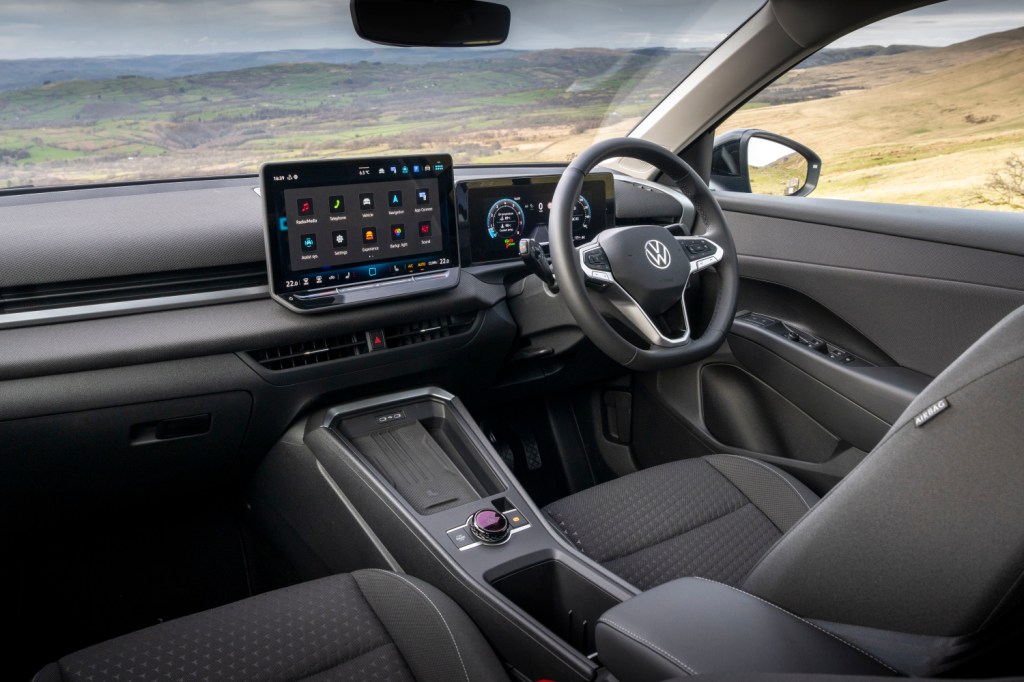
Step inside, and the improvements are obvious. The previous T-Roc had a cabin that felt a bit low rent in places, with harsher plastics. Not anymore. Materials are noticeably better, and everything you touch feels solid – the steering wheel, gear selector, door pulls – all with that reassuring Volkswagen heft. No noticeable creaks or rattles. It feels built to last.
The tech is a big step forward too. There’s an eight-inch digital cockpit and a huge 12.9-inch touchscreen in the centre of the dash, controlling everything from an upgraded infotainment to smartphone connectivity and nav capability, giving a premium feel to the interior
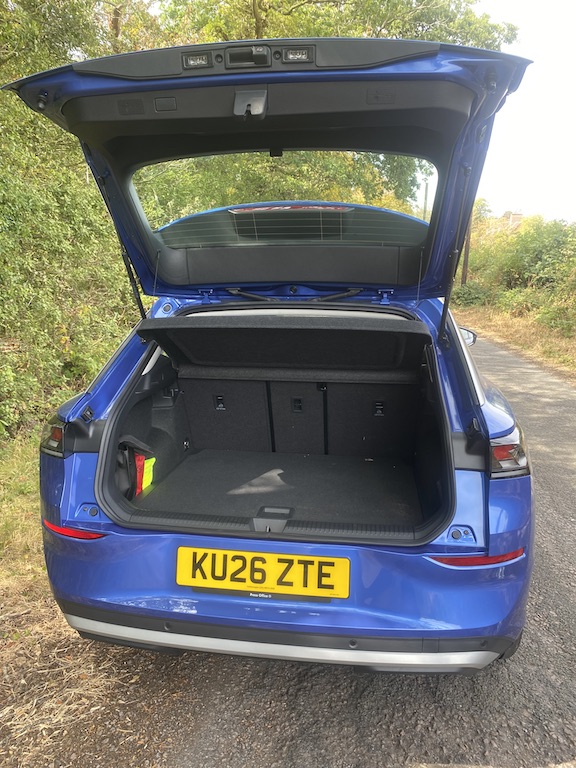
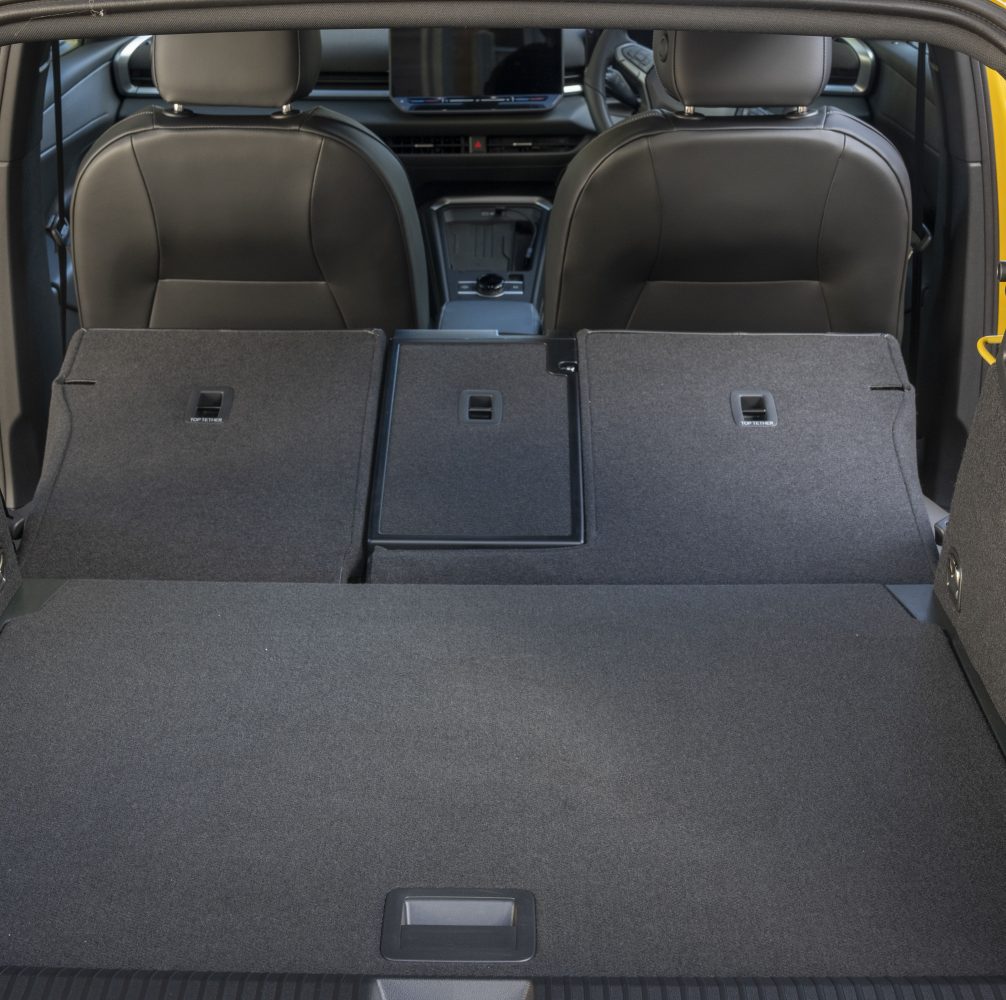
The extra size also pays off in practicality. There’s more rear legroom, more shoulder space, and a boot that’s grown to 475 litres – 1,350 litres with the seats folded. I shifted a ton of stuff on a couple of tip runs – not bad for something that still looks compact. The rear backrest is a bit upright, but for most journeys, it’s fine.
Powertrain and performance
There are two eTSI mild-hybrid turbocharged petrol engines, with outputs of 116 PS and 150 PS. Driven here is the more powerful version, which features a 48-volt mild-hybrid system. This gives a torque boost when pulling away and lets the car coast with the engine off at speed.
The official 0–62 time is 8.9 seconds, but it feels quicker. Off the mark, it’s genuinely sprightly, and the seven-speed DSG kicks down with real urgency when overtaking – especially in Sport mode. The car feels eager, willing, and more responsive than its power output suggests.
Cylinder deactivation helps economy too. Under light load, it shuts off two cylinders, and I saw 45–50 mpg across a variety of roads – impressive for a petrol SUV.
On the road
The standard suspension and 17-inch alloys soak up bumps and potholes comfortably except on the worst of roads.
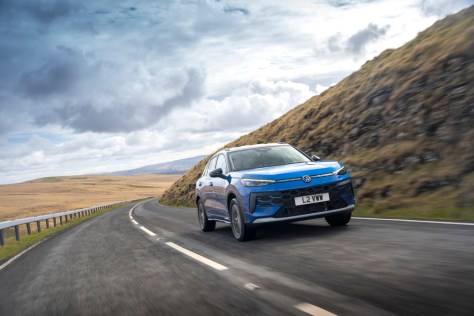
On the road, the T-Roc handles exactly as you’d expect from Volkswagen. Steering is well-weighted and direct, plenty of grip, and body roll is kept in check despite the higher ride height. It’s not a Golf GTI – it doesn’t pretend to be – but it strikes a fine balance between comfort and agility. The cabin is quiet too, with most wind and tyre noise kept outside.
It’s predictable, safe, and easy to place on the road. You don’t have to think about it – and sometimes that’s the highest praise you can give. On testing country lanes in the Peak District, it performed admirably, gripping well on tight bends and offering good steering feedback.
Safety and assistance systems
Standard safety kit includes Front Assist with autonomous emergency braking, Lane Assist, and a rear-view camera. Optional Travel Assist – available on Style and R-Line – combines adaptive cruise control with lane-keeping for semi-autonomous motorway driving, while Park Assist Pro handles steering, acceleration, and braking for parallel and bay parking.
Value for money
The Life trim starts at around £31,635, which feels reasonable. But this model, with a few extras – the Technology Pack, Winter Pack, upgraded LED Plus headlights, and ambient lighting – came in at £37,795. That’s a big jump, and it puts the T-Roc in seriously competitive territory.
For that money, you’re looking at capable rivals from Hyundai, Kia, Toyota, and Mazda – many of which undercut the Volkswagen on price and offer longer warranties. You’re paying for that badge, build quality, and solid German feel. If you want the most kit for the least cash, the Koreans and now the Chinese are the ones to beat. If you want the nicest place to sit and the most polished driving experience, the T-Roc is a fine offering.
Verdict
The T-Roc won Best Small SUV at the 2026 What Car? Awards, and it’s not hard to see why. It’s bigger, better built, and more efficient than the car it replaces. It feels quicker than it should, looks the part, and upholds the build quality that’s made me a fan of the brand for years. It’s not cheap, and the competition is fierce – but if you can stretch to it, the T-Roc makes a strong case.
Factfile
- Volkswagen T-Roc 1.5 eTSI Life
- Price: £37,795 (as tested with options); from £33,700 OTR
- Mechanical: 150 PS, 1,498cc, 4cyl turbocharged petrol engine with 48V mild-hybrid system, driving front wheels via 7-speed DSG automatic gearbox
- Max speed: 132 mph
- 0-62mph: 8.9 seconds
- Economy: 45-51 mpg (WLTP combined)
- CO2 emissions: 128 g/km
- Insurance group: 16-19
- BIK rating: 31%
- Warranty: 3 years / 60,000 miles

