
Suzuki e-Vitara Ultra ALLGRIP
By Bill McCarthy
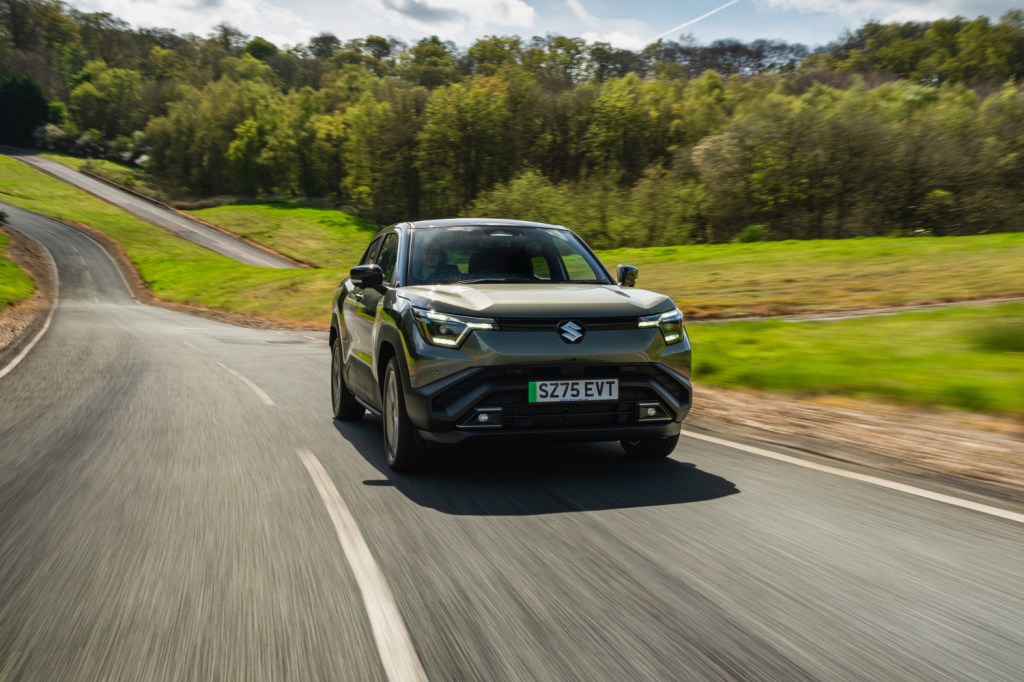
The Vitara has been a British motoring staple for years. But the leap from the 2020 mild-hybrid to the new all-electric e Vitara is about more than just swapping powertrains. It’s a clear illustration of a traditional manufacturer grappling with the shift away from combustion engines.
First Impressions
When Suzuki introduced the 48V hybrid in 2020, it was celebrating 50 years of four-wheel-drive heritage. Fast forward and the landscape has changed with the e Vitara, Suzuki’s first dedicated EV, entering the fray.
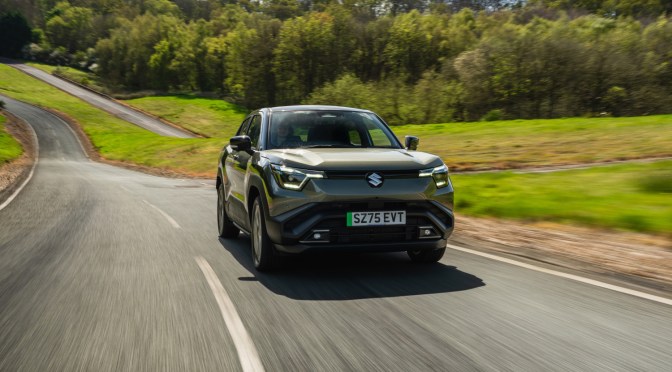
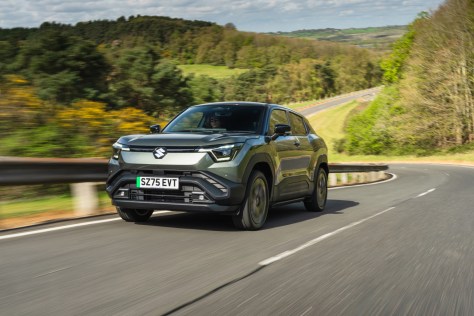
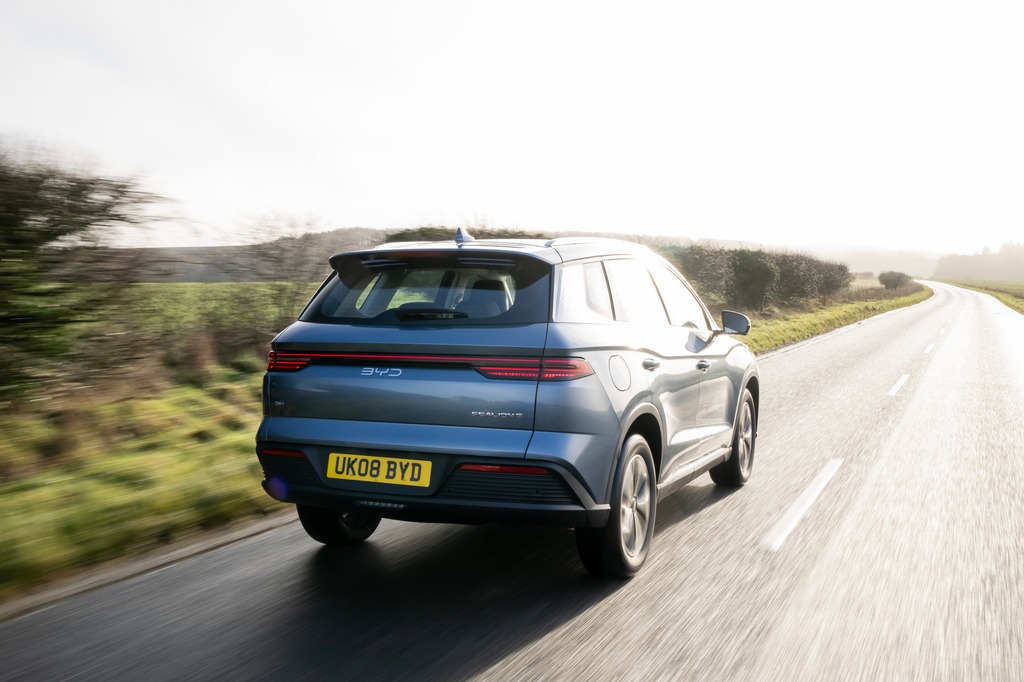
To this eye it has stunning road presence. Its distinct look stands apart from the same-old sameness of some electric vehicles.
Value and Practicality
Suzuki has always offered keen pricing and generous kit and with the e Vitara, buyers can choose between 49kWh and 61kWh battery packs in either Motion or Ultra trim. But the real headline-grabber is the new AllGrip-e system, which carves out a unique niche by offering genuine off-road capability that is almost unheard of in the small electric SUV segment.
A dedicated “Trail” mode brakes slipping wheels and pushes torque to the wheels with grip, making it easy to drive out of challenging terrain.
Even the base Motion trim comes with a heat pump, adaptive cruise control, and a 10.1-inch touchscreen. Suzuki also backs this first EV with real confidence, offering a service-activated warranty that can extend to ten years or 100,000 miles.
Overall design
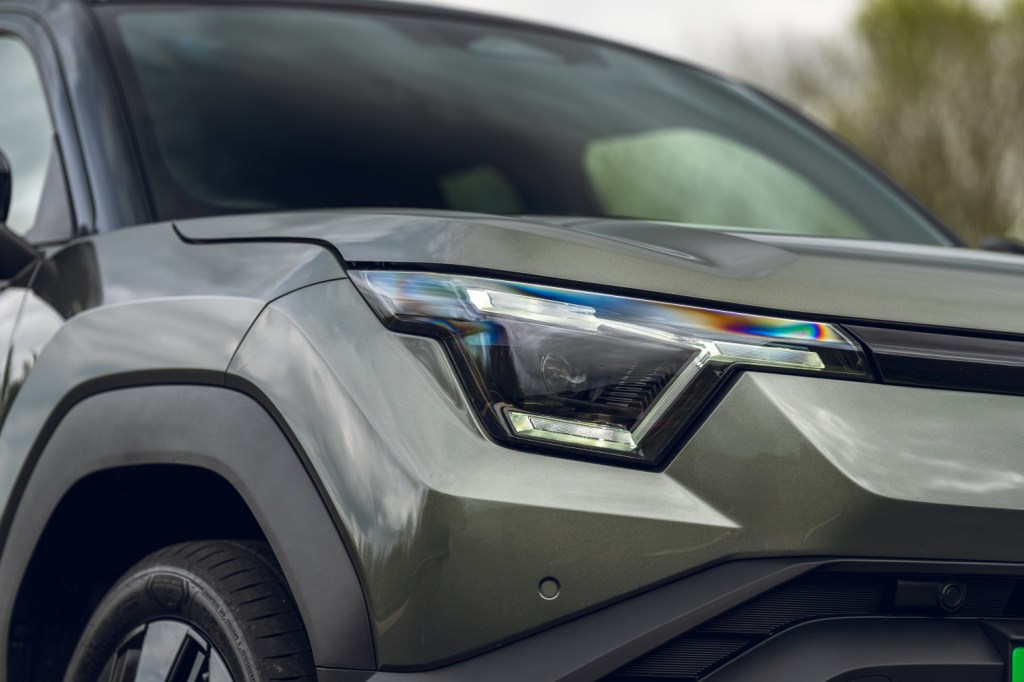
Suzuki has taken that classic, boxy shape and given it a really modern look. The front end looks sharp and aggressive thanks to those three-point LED lights, and the clean grille keeps it looking sophisticated.
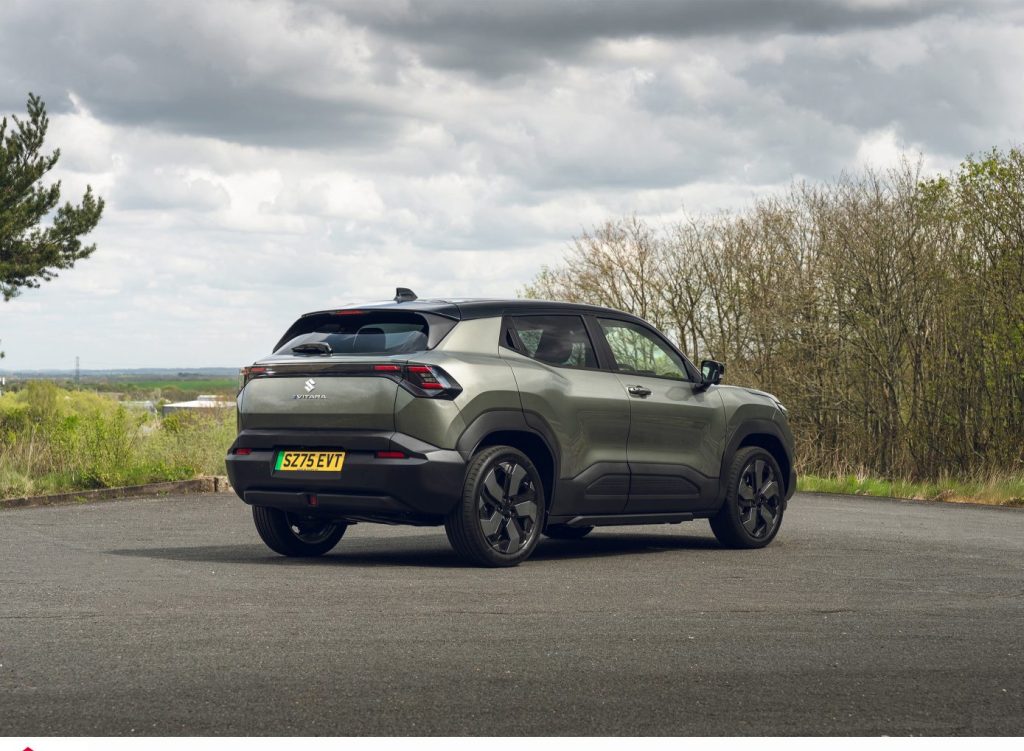
I also like the detailing along the sides—the chunky matte-black cladding suggest durability and ruggedness, but those sharp body lines pull it right into the present day. It’s a design that feels tough, but contemporary.
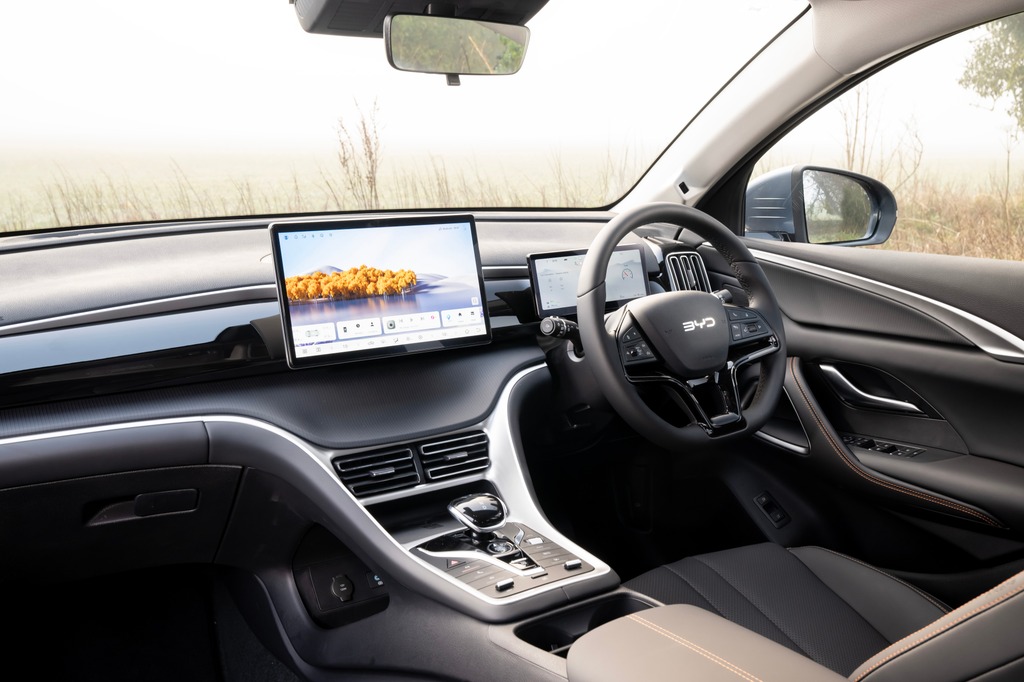
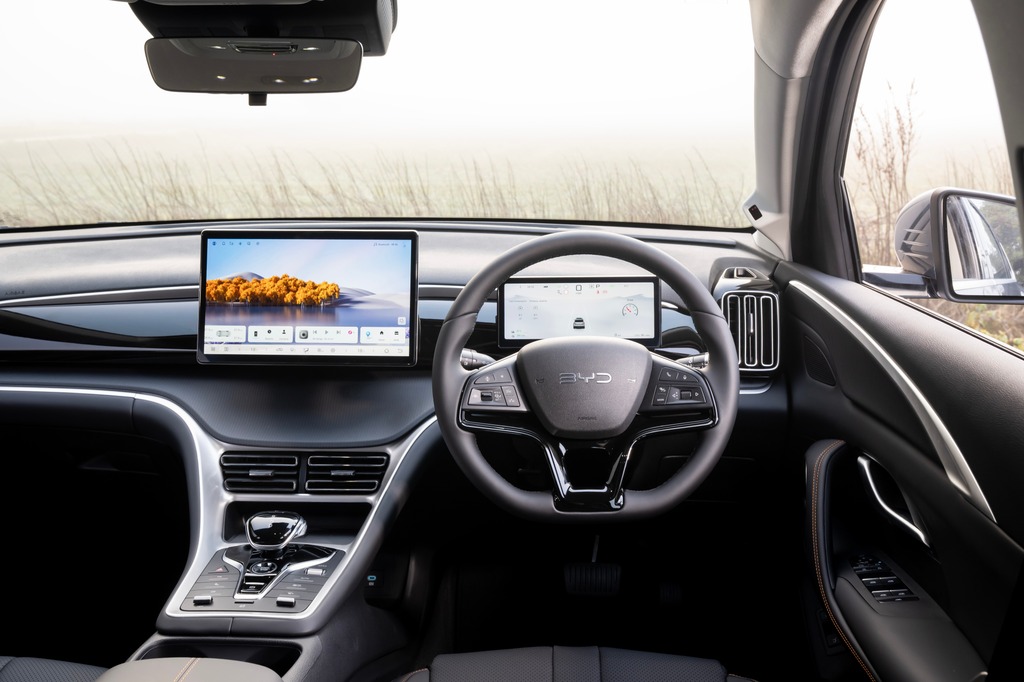
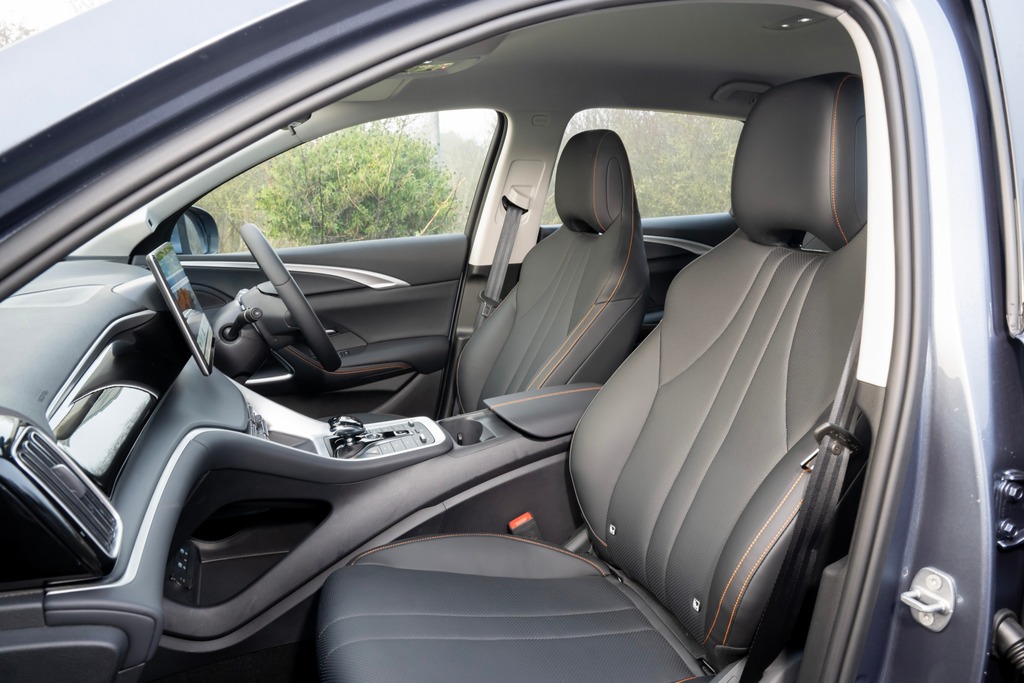
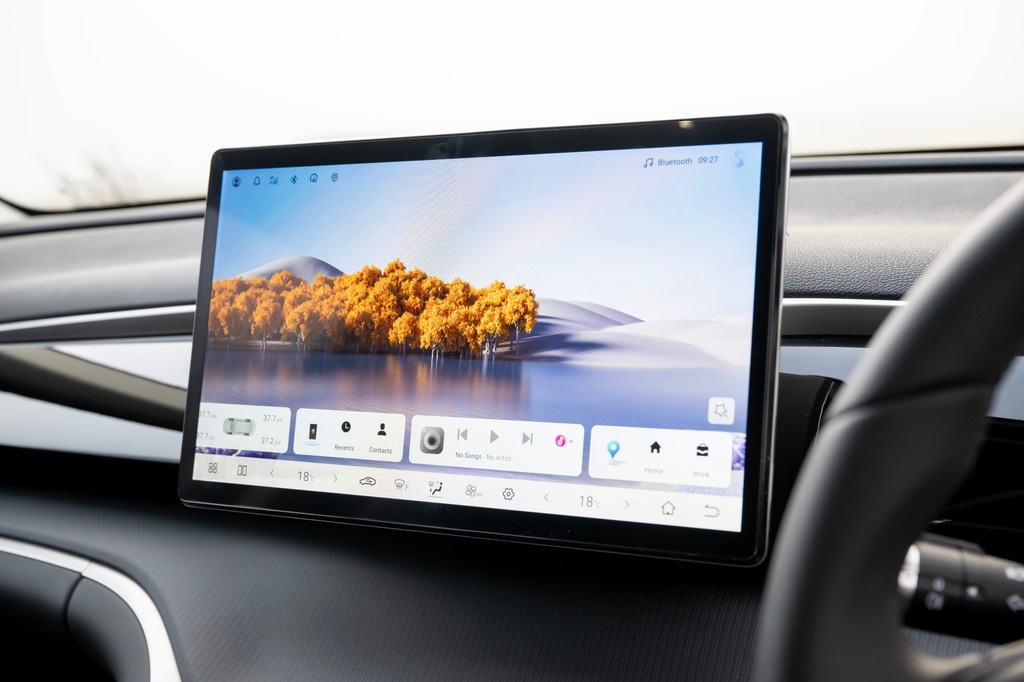
The cabin represents a significant step forward, in my view, Suzuki’s best effort to date. Material quality is a mixed bag, blending high-quality soft-touch surfaces with some harder plastics. Technology revolves around a 10.25-inch driver display and a 10.1-inch touchscreen.
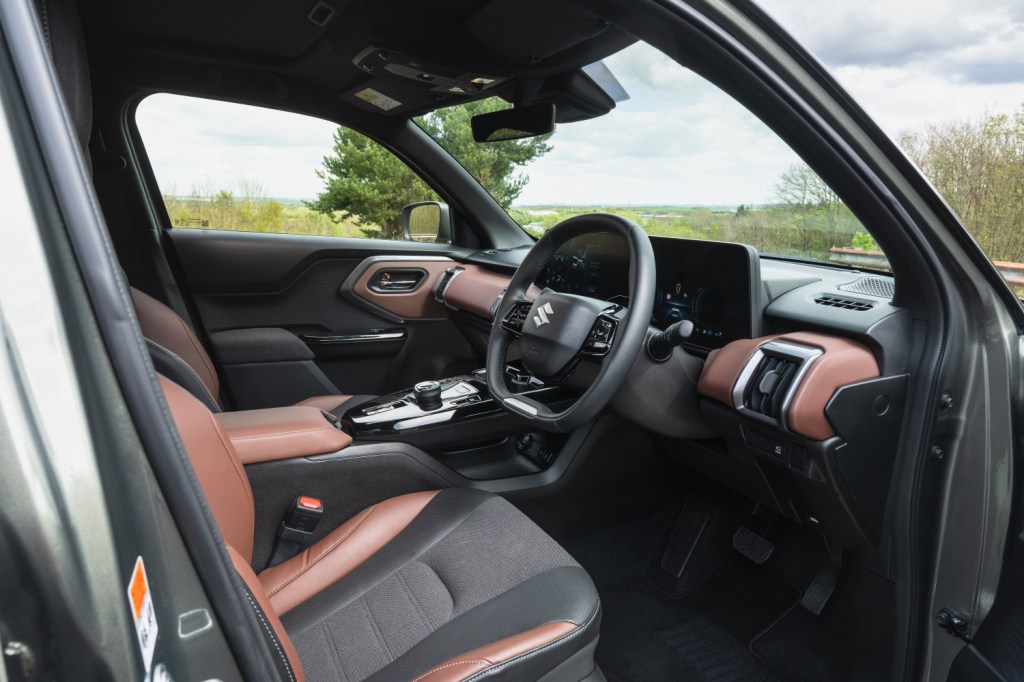
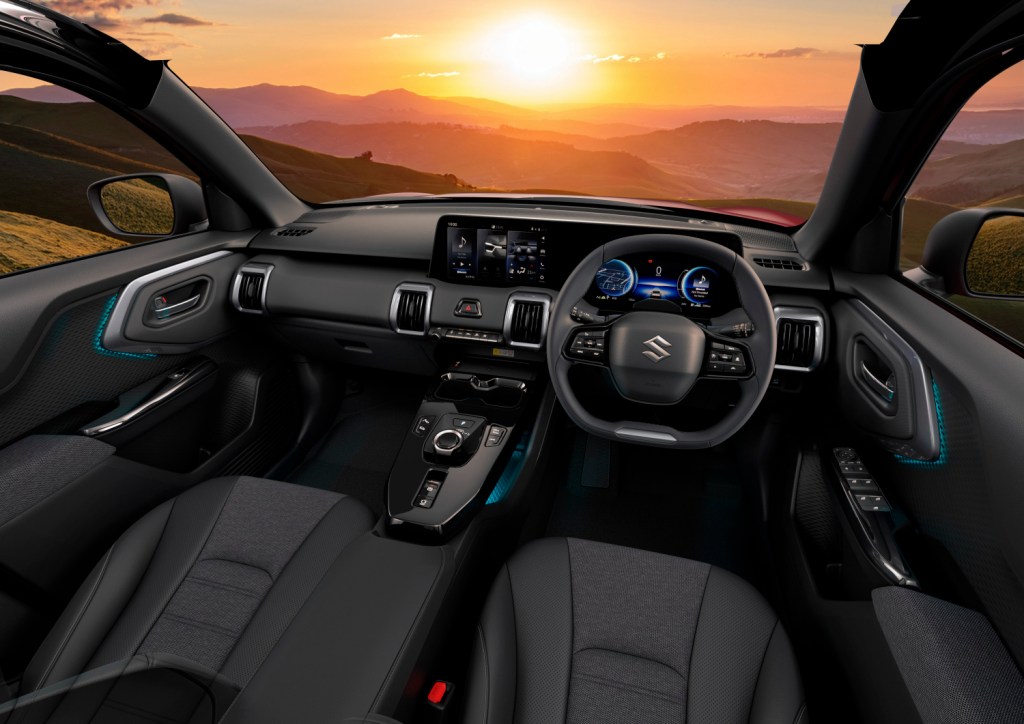
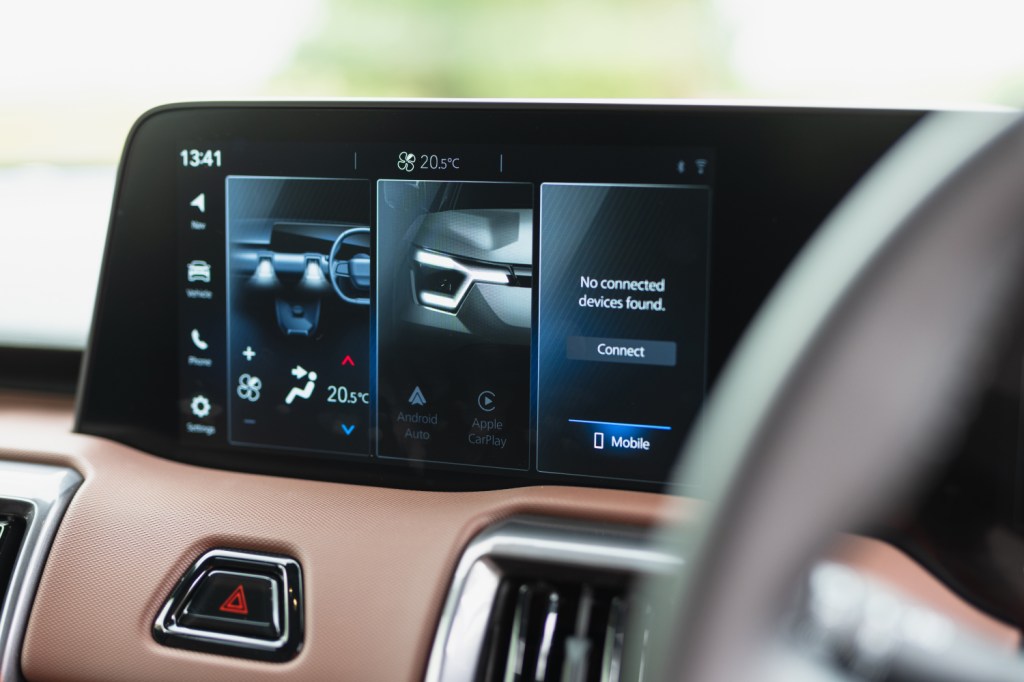
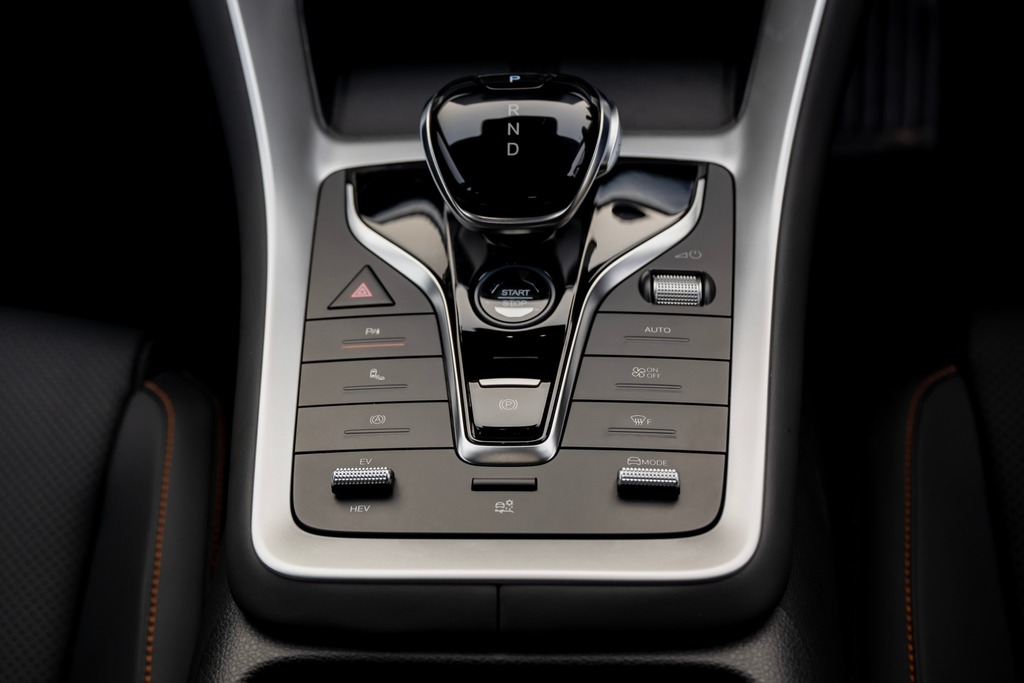
Crucially, Suzuki has retained robust physical controls for core functionswhich are a welcome ergonomic choice that aligns with new Euro NCAP protocols aimed at reducing driver distraction.
While the system’s graphics are clear, the interface can feel fiddly when in motion, with the navigation occasionally suffering from lag under the weight of the technology.
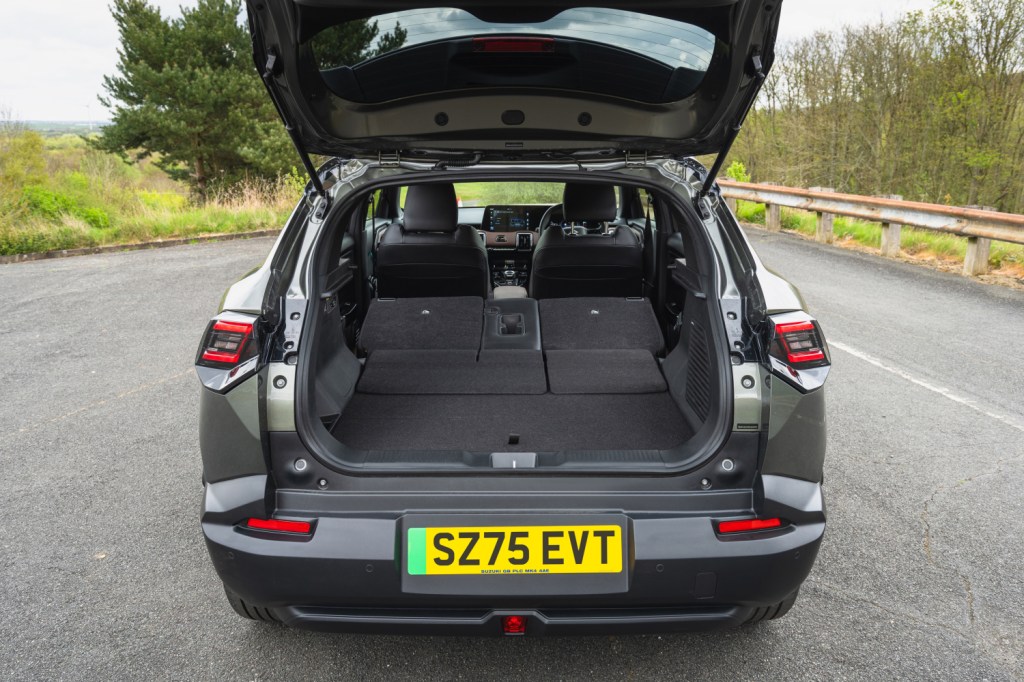
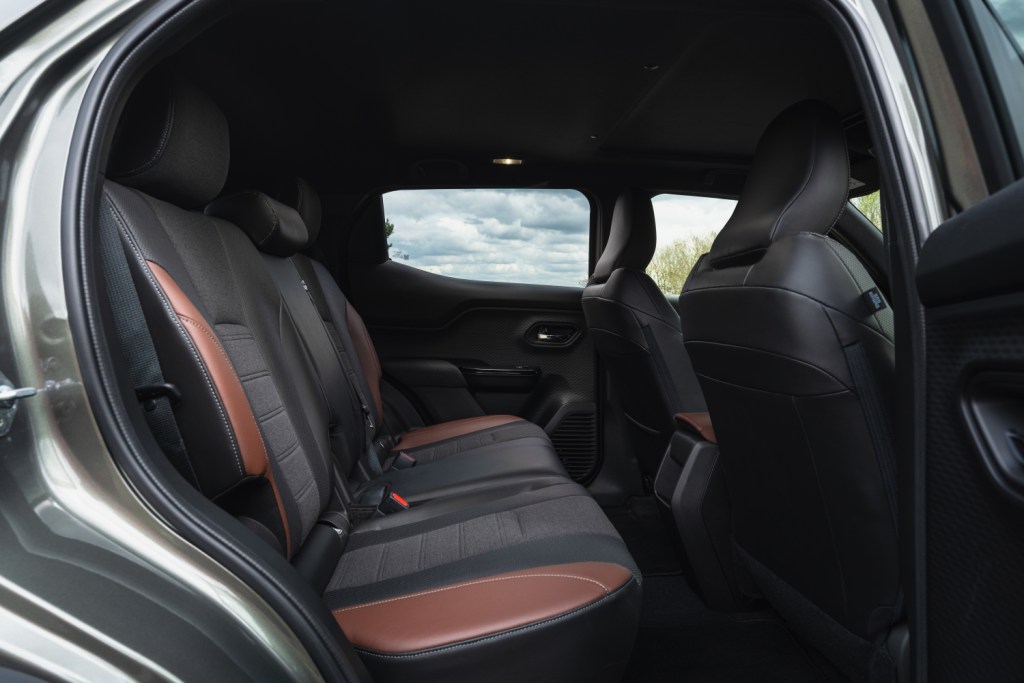
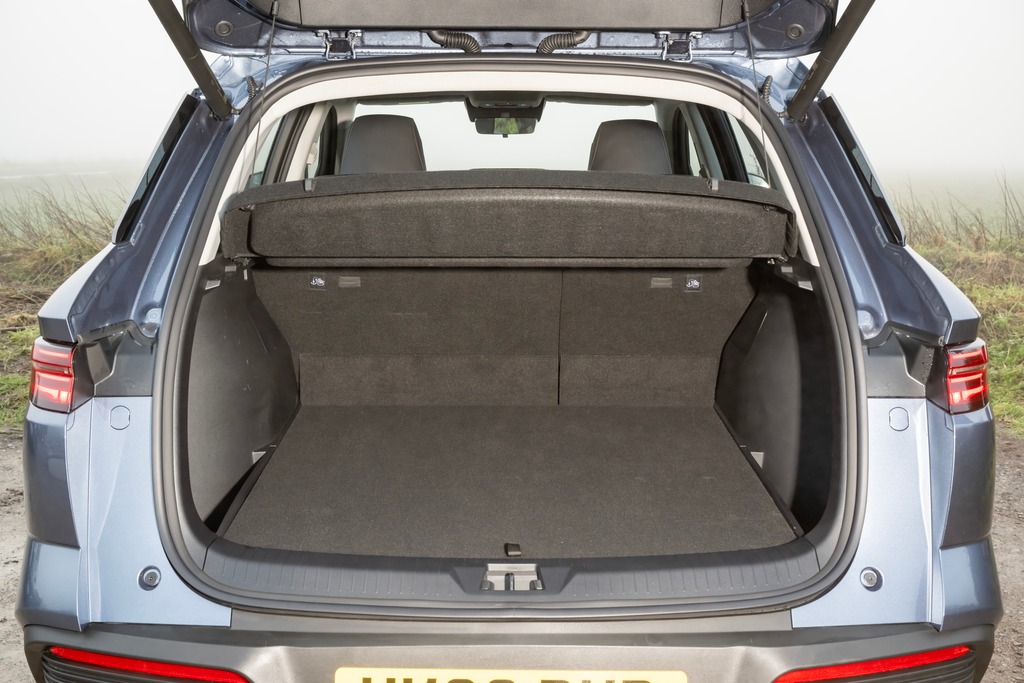
Design highlights include a floating centre console and customisable ambient lighting. Practicality is strong in the cabin, with sliding and reclining 60:40 split rear seats. However, boot capacity is compromised on all-wheel-drive variants, dropping to just 244 litres. This can be increased to 310 litres by pushing the seats forward and folding them completely delivers a maximum of 562 litres.
On the road
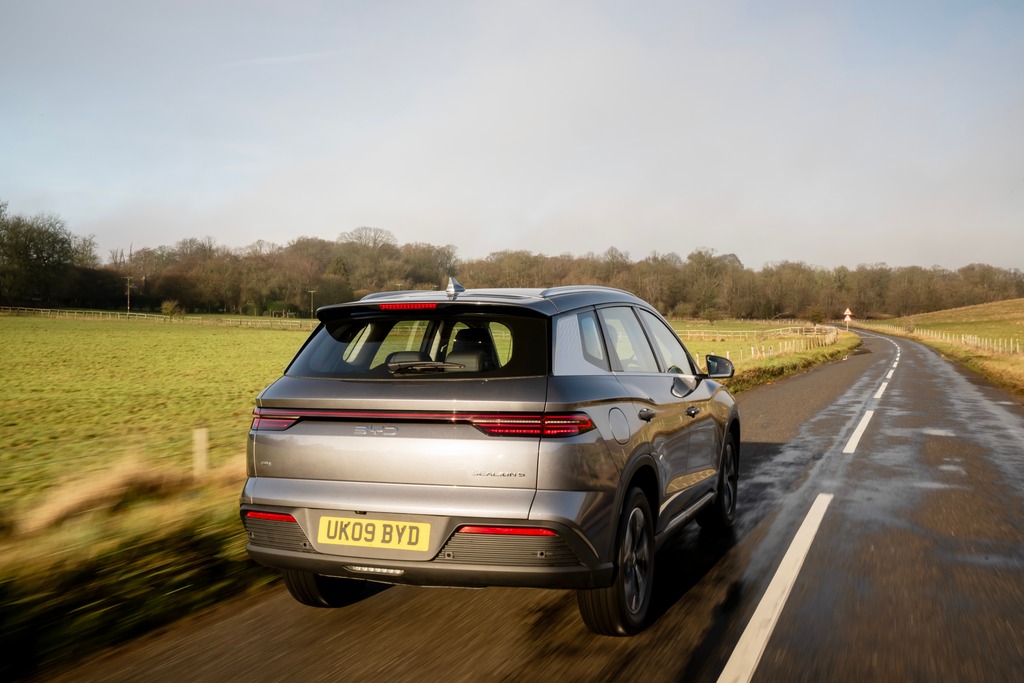
Behind the wheel, the e Vitara feels composed and stable. The high driving position provides excellent visibility. Acceleration is brisk, with a 0-60mph time of 7.4 seconds that feels quicker than the figure suggests.
On country roads, it handles itself well, though there’s a hint of body lean through corners.
The steering is well-weighted and responsive, making it feel stable at higher speeds, yet highly manoeuvrable in town, and the suspension delivers a comfortable ride, while doing a decent job of absorbing potholes.
The real stumbling block, however, is range. The 61kWh front-wheel-drive version boasts a WLTP figure of 264 miles. My all-wheel-drive test car’s official WLTP figure drops to around 250 miles – a figure I failed to get anywhere near.
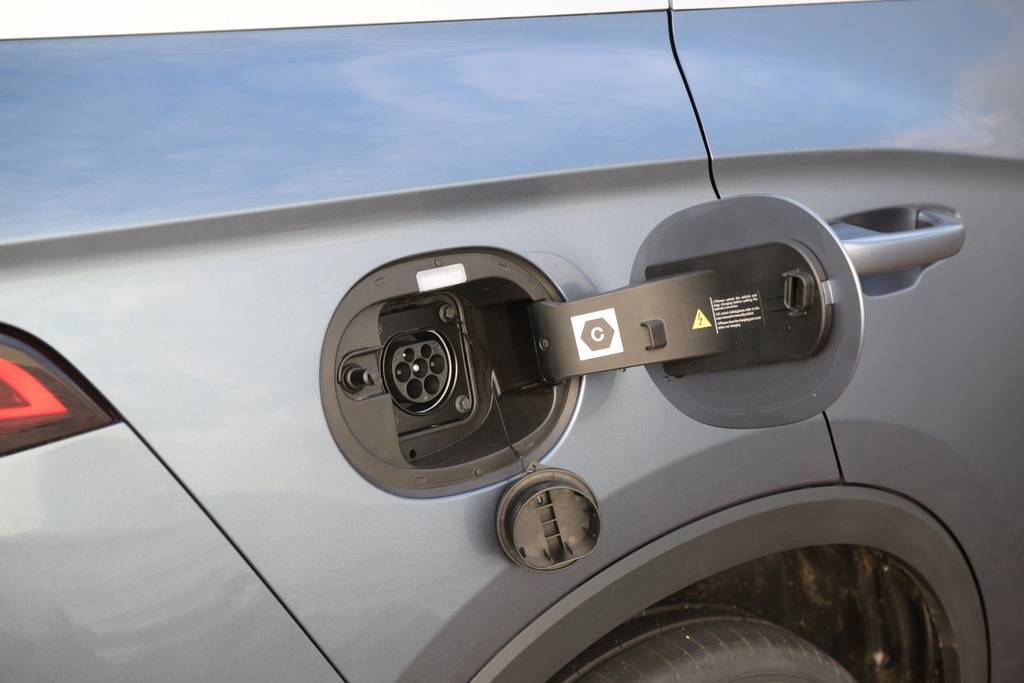
The display consistently showed an average of 2.8 miles per kWh, translating to a real-world range of approximately 170 miles. The cold, wet weather and at times, horrible traffic conditions didn’t help, but key competitors manage these conditions better. Charging is also relatively slow; a rapid charger takes around 40 minutes to reach 80 per cent.
Safety
The e Vitara comes with a high level of safety features as standard. This includes Dual Sensor Brake Support, Rear Crossing Traffic Alert, Lane Keep Assist, Blind Spot Monitor, and Adaptive Cruise Control.
Verdict
With its eye-catching styling, bulletproof reliability, and genuine off-road ability in a class dominated by two-wheel-drive models, the Suzuki e Vitara has a lot to offer – especially with its sensible warranty. The trade-off is that limited real-world range and slower charging speeds may leave you with range anxiety on longer trips.
Factfile
- Suzuki e-Vitara Ultra ALLGRIP
- Price: £37,799
- Mechanical: 181bhp, 61kWh battery with twin electric motors driving all wheels via automatic transmission
- Max Speed: 93mph
- 0-62mph: 7.4 seconds
- Combined MPG: 245 (WLTP)
- Insurance Group: 28A
- C02 emissions: 0g/km
- Bik rating: 3%
- Warranty: 3yrs/62,000 miles (up to 10 years if serviced yearly by a Suzuki dealer)
 On the road