Tag Archives: hybrid

Torres Hybrid a solid newcomer

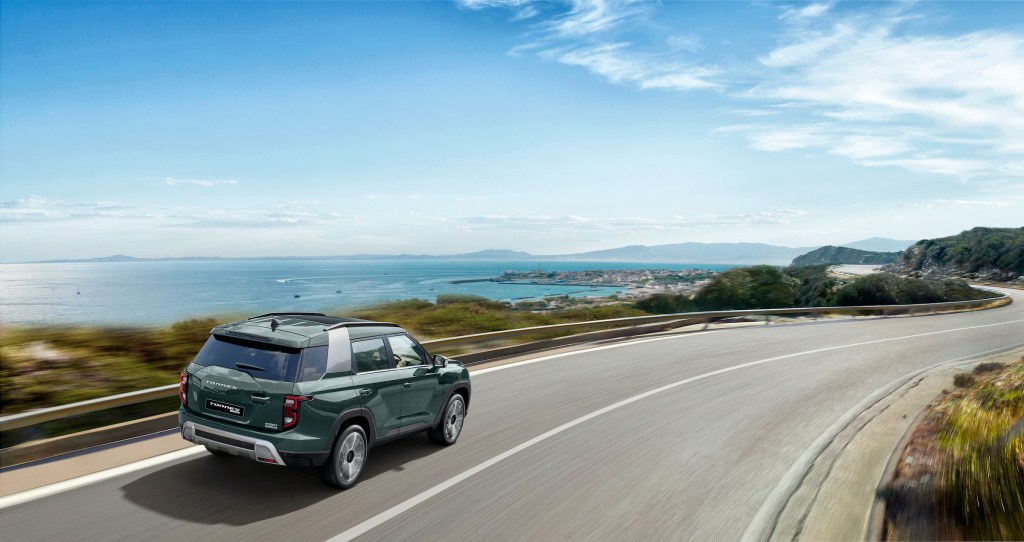
KGM Torres K40 Hybrid

By Bill McCarthy

In the crowded world of SUV rebrands, few have a story quite as intriguing as KGM. Formerly SsangYong, the Korean firm was bought out by KGM Global, which has spent the last 18 months launching a distinctive petrol and electric SUV, the Torres.

 Now, hot on the heels of the original comes the Torres Hybrid – and it might just be the one that makes people sit up and take notice.

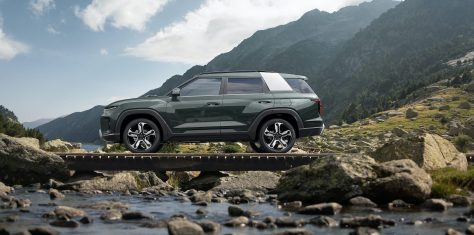
It is not hard to see why. Inspired, say KGM, by the rugged, windswept landscapes of Patagonia’s Torres del Paine, this is an SUV designed to blend adventure-ready styling with genuinely clever engineering. Sitting neatly between the compact and mid-size classes, it offers bold looks, surprising practicality and a hybrid system that feels genuinely futuristic.

Clever hybrid powertrain

Both the petrol and hybrid versions have been developed with a clear focus on lifestyle appeal, but it’s the newcomer’s performance that really impresses. 

Under the bonnet, a 1.5-litre turbo petrol engine works in tandem with KGM’s Dual Tech Hybrid System to deliver 177hp and 300Nm of torque. 

That’s enough to feel quick off the mark, while a 130kW motor mounted near the driveshaft ensures response is instant when you need it.
While full electrification looms on the horizon, hybrids like this offer a sound alternative today, blending efficiency with the freedom of a combustion engine.

Rugged styling with quirky detailing

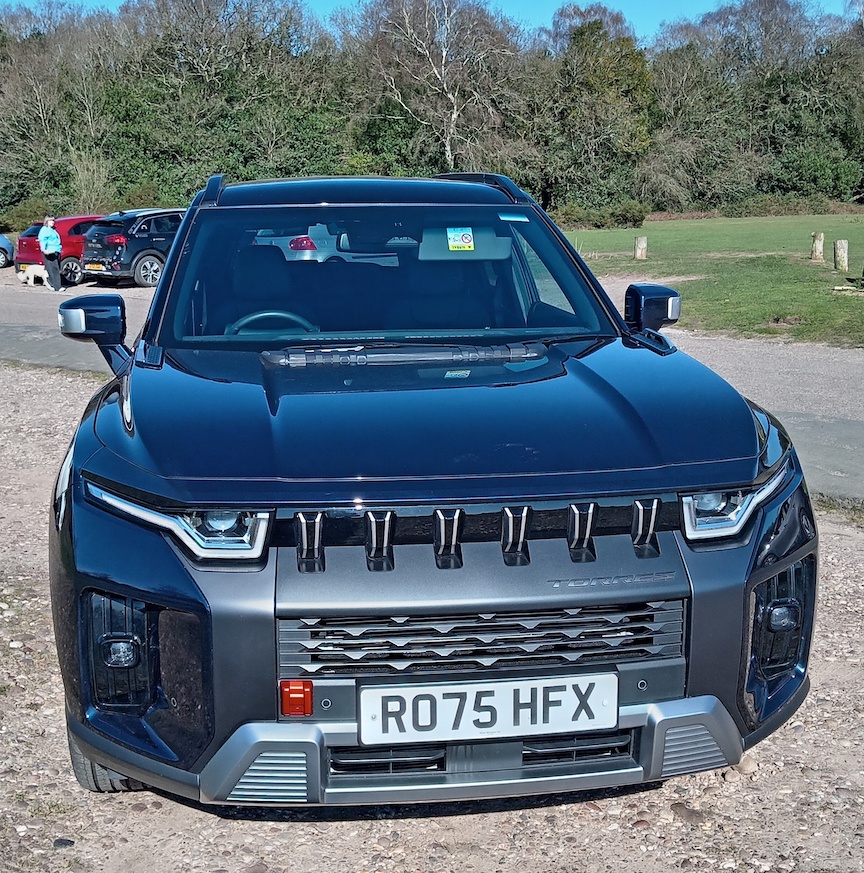
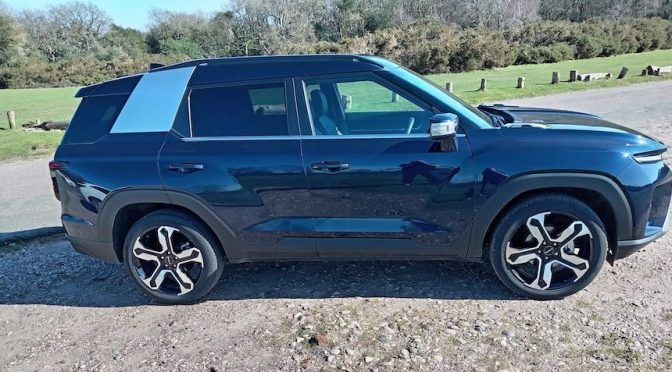
This latest Torres sports a bold, head-turning presence. Up front, vertical grille slats and slim LED headlights give a distinctly rugged, almost Jeep-like character, and its high stance drew plenty of attention.

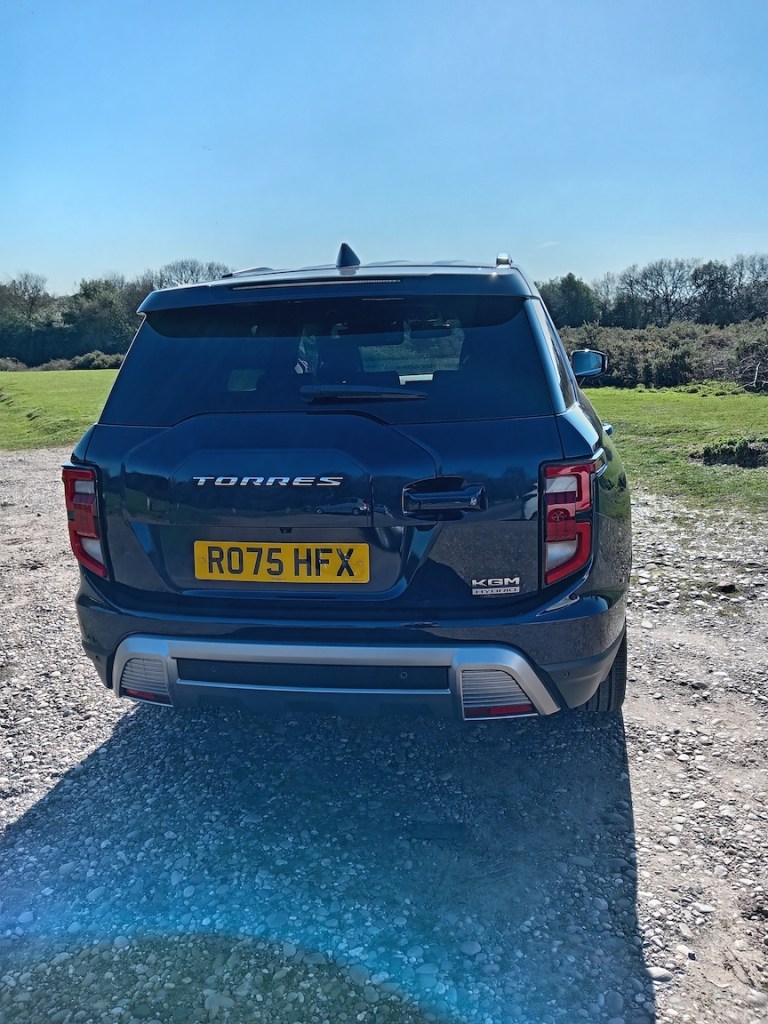
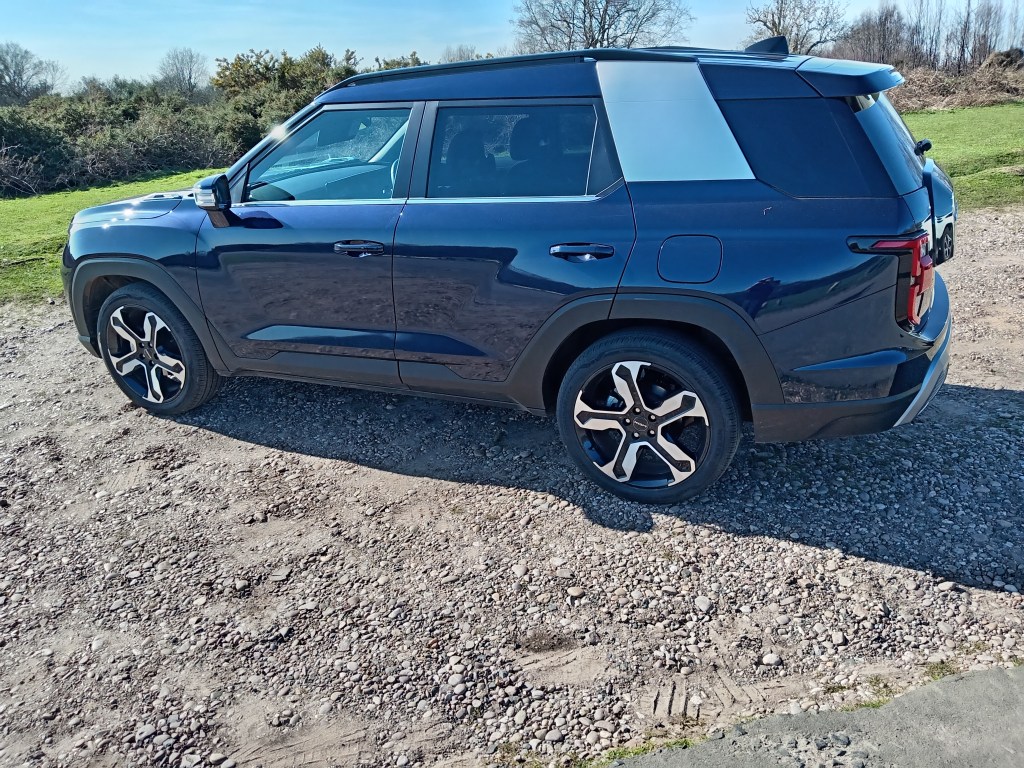
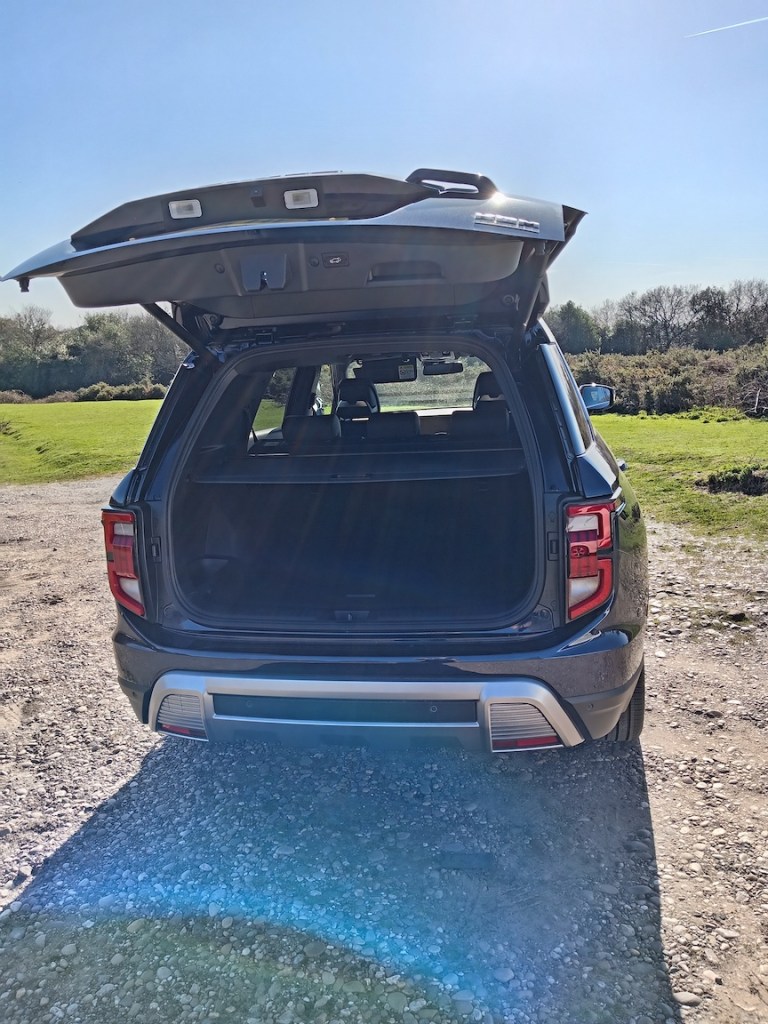
On the downside – for me, anyway – the styling leans more decorative than functional: the rear tailgate mimics a side-hinged door with external spare wheel, but it is a standard top-hinged boot lid with the spare tyre stored underneath, while the bonnet features grab handles with no practical purpose. Still, beauty is in the eye of the beholder.

Interior styling and practicality

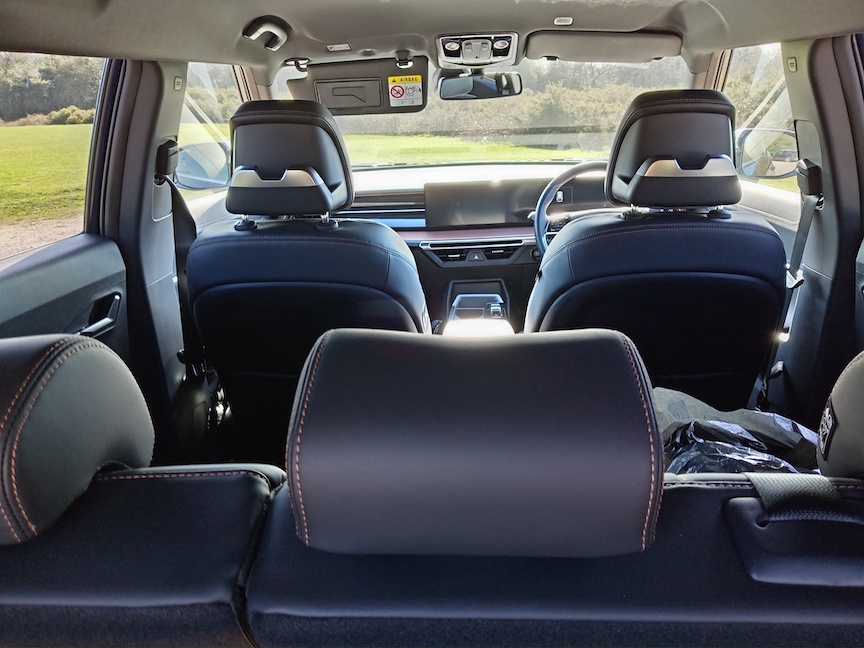
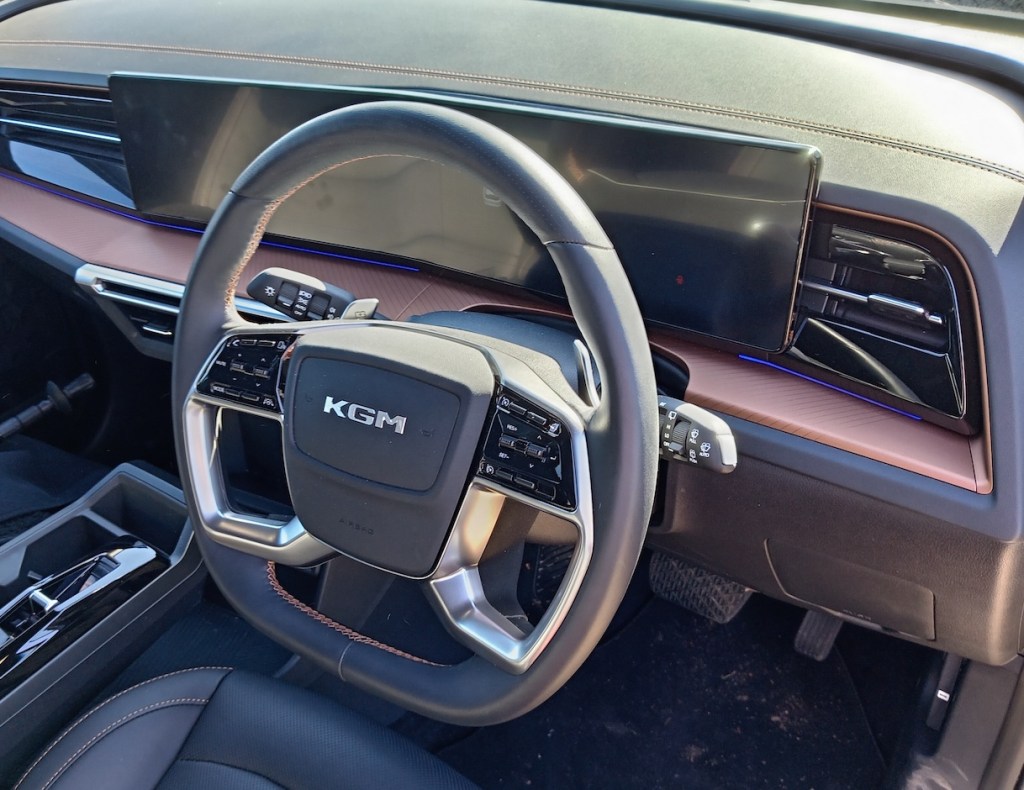
The cabin is packed with clever fixtures and soft-touch materials, with leather seats that are both comfortable and supportive. A long dashboard houses two joined screens – a central touchscreen for infotainment and a digital driver’s display delivering real-time information. The main screen, however, is not the quickest and some response times were frustrating.

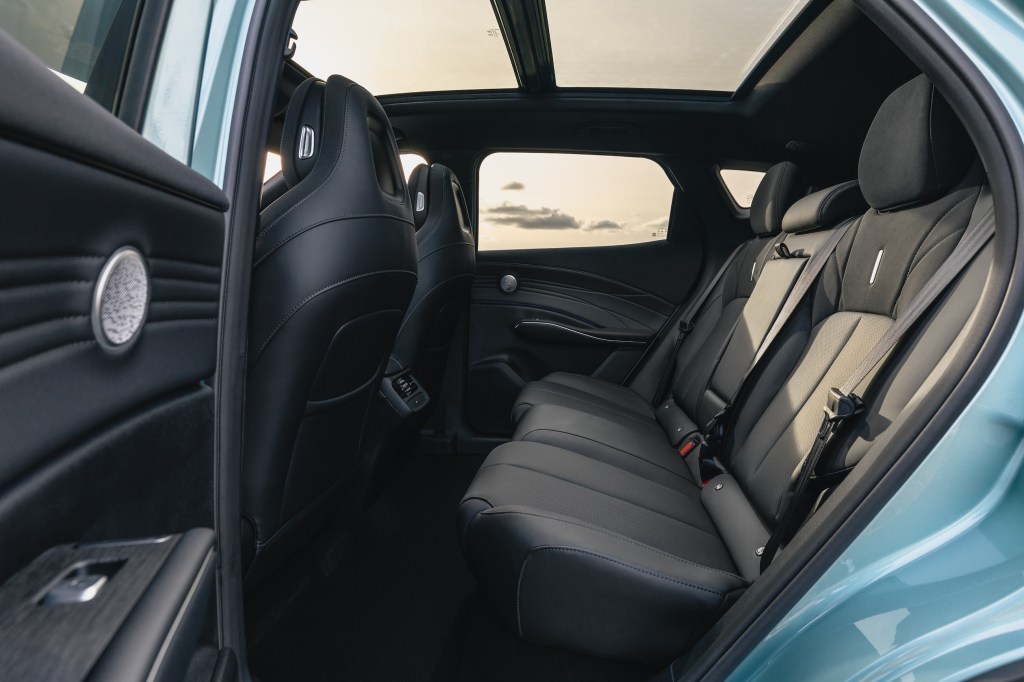
Space is generous, with bags of headroom and legroom in both front and rear. Though it’s currently a five-seater, there’s so much room you could easily imagine a third row. Boot capacity is genuinely class-leading, offering between 703 and 1,662 litres with the seats folded – enough to swallow a kitchen sink with room to spare.

On the road performance

On the road, the e-DHT gearbox offers up to nine drive modes, and in town it runs in full EV mode around 94 per cent of the time, making it eerily quiet and refined. You can even drive on pure electricity up to 62mph without the range anxiety that comes with a full EV.

The 0-60mph time is a claimed 10.8 seconds, but it feels livelier than that in the real world, helped by the instant torque from the electric motor. That extra grunt also makes for confident overtaking.

Best of all, the hybrid’s ability to run silently around town, combined with efficient cruising on the motorway, makes it a genuinely appealing all-rounder – though official fuel economy of 33.2mpg and CO2 emissions of 194g/km are less than class-leading.

The suspension delivers a surprisingly composed ride. It certainly isn’t sporty and has some wallow on corners, which you would expect for a vehicle of this size. But it feels planted and predictable, while the responsive steering keeps the car firmly where you point it.

Extensive safety features

Safety features are comprehensive, with eight airbags, autonomous emergency braking, lane-keep assist, rear cross-traffic alert, and a full suite of driver assistance systems to keep you protected.

The petrol Torres is a solid, spacious, value-packed SUV with genuine character, but it’s the new hybrid that feels like the real game-changer – a clever, stylish and practical alternative that deserves a place on your shortlist.

Factfile

  • KGM Torres K40 Hybrid
  • Price: £35,995 
  • Mechanical: 177bhp, 1,498cc four-cylinder turbo petrol hybrid engine driving front wheels via six-speed e-DHT automatic gearbox 
  • Max speed: 112mph 
  • 0-62mph: 9.0 seconds 
  • Combined mpg: 46.1 
  • Insurance group: 37D 
  • CO₂ emissions: 139g/km 
  • BiK rating: 33% 
  • Warranty: 5yrs / 100,000 miles 

OMODA 7: A family SUV offering style and value

OMODA 7 SHS

By Bill McCarthy

Carmakers love to make an impact with their model launches. In the case of the OMODA 7, the Chinese company launched an eye-catching if somewhat bewildering campaign titled ‘Everything is Essential’.

It featured three short films. One showing flowers fired from cannons to illustrate the built-in fragrance system, another dropping three tons of water on te car to demonstrate robustness, and a third using cats climbing over the vehicle to highlight its noise-reducing glass. Gimmicky, but it got the conversation moving.

This mid-size model starts from under £30,000 and is packed with standard kit. It will inhabit the segment that includes established SUVs like the Nissan Qashqai, Kia Sportage, and Ford Kuga.

The range starts with entry-level ‘Knight’ trim from £29,915 for the petrol model, which includes dual-zone air conditioning, a heated steering wheel, and a six-speaker SONY system.
The ‘Noble’ trim tested here is from £32,000 for the hybrid, which adds a 12-speaker SONY system, a powered tailgate, and a panoramic sunroof. Both trims offer excellent value for money.

Design, Interior and Technology

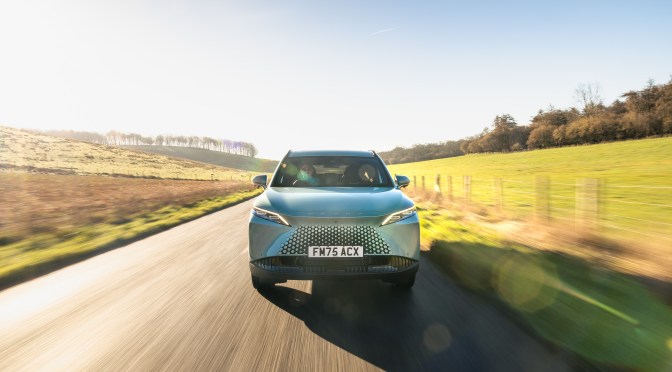
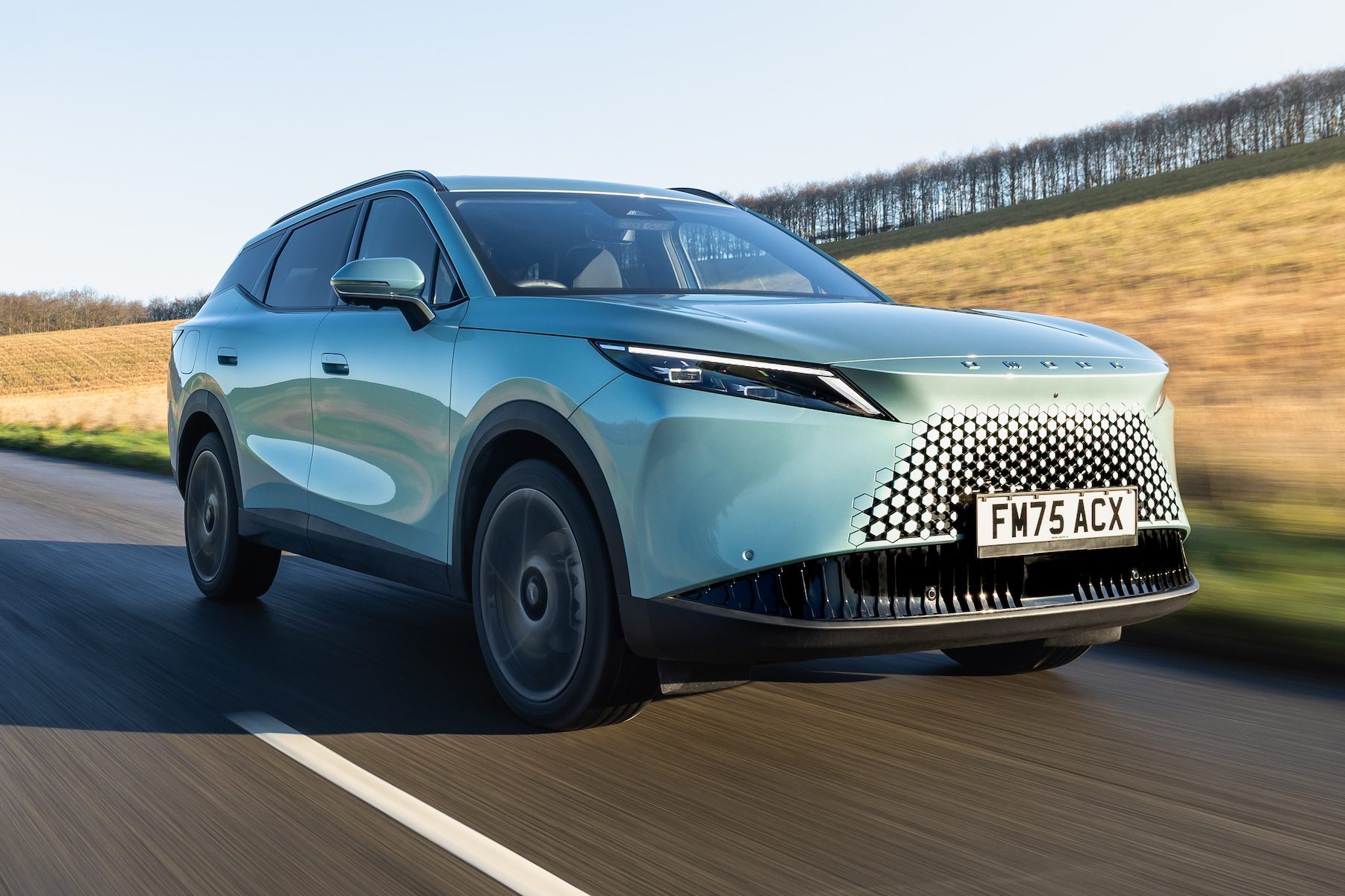
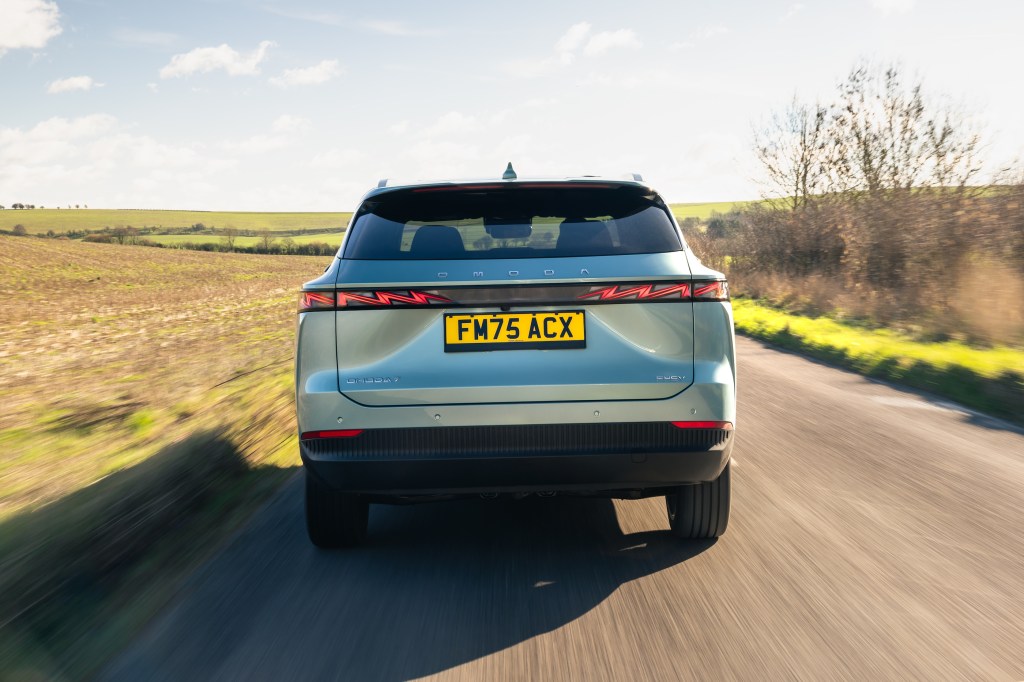
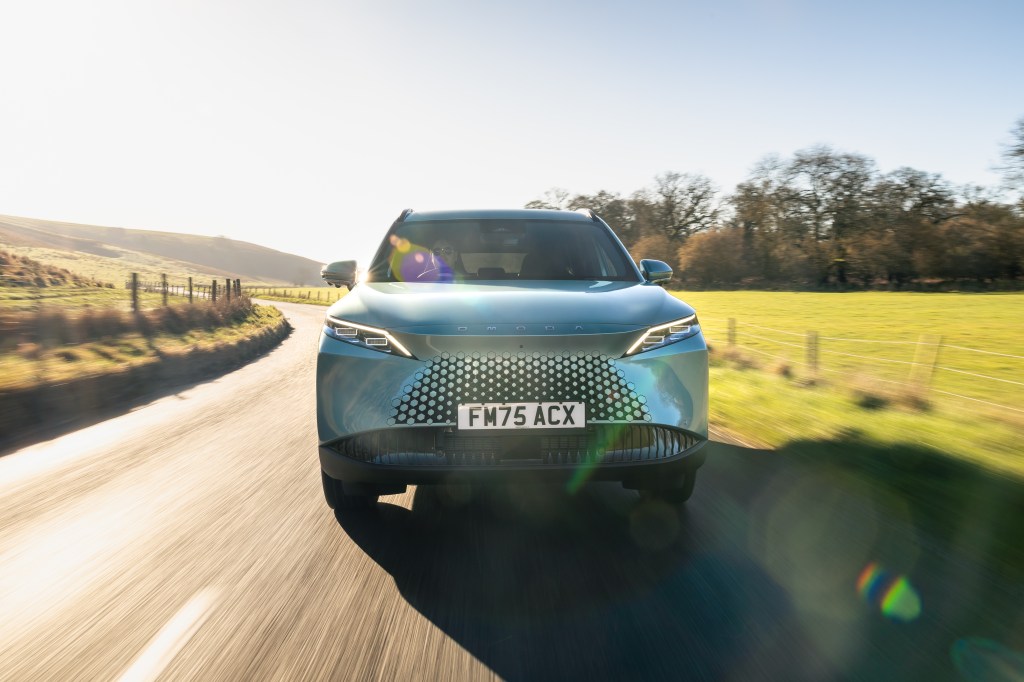
The OMODA 7 offers smart styling without being a showstopper. It has a prominent front grille and stylish LED lighting cluster, and a generally pleasing profile. A distinctive feature is the lightning bolt-style rear light cluster.

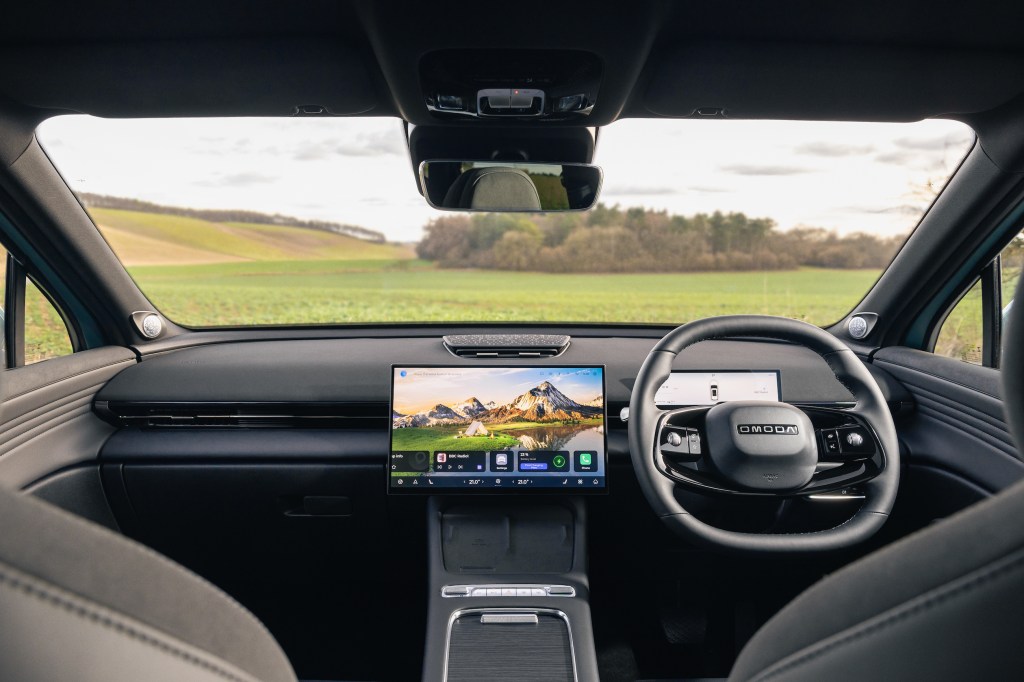
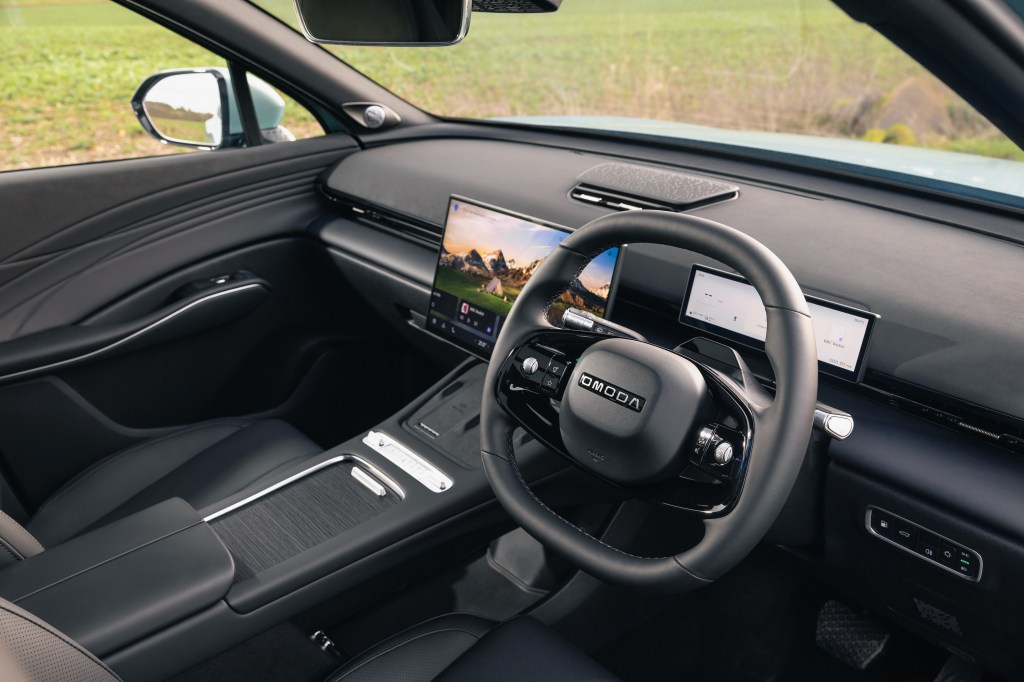
The interior feels upmarket for the price, and the cabin features comfortable eco-friendly faux leather upholstery and heated and ventilated front seats. A central touchscreen and a digital instrument cluster deliver a minimalist feel.
The 15.6-inch screen is effectively the brain of the car, controlling the infotainment system, connectivity, and numerous apps and digital controls, but it can be fiddly to use on the move and distracting.

This over-reliance could affect safety ratings, especially with new Euro NCAP rules introduced for 2026, which will reward cars that retain physical controls for essential functions like indicators, wipers, and hazard lights.

As a family SUV, the OMODA 7 offers a standard boot and folding rear seats. With all seats in place, the boot provides a competitive 440 litres of space that should suit most family needs. Folding the split rear seats expands this to 1,250 litres.

Powertrain and performance
There are two powertrain choices: a 1.6-litre petrol engine and a 1.5-litre plug-in hybrid, the latter driven here, which uses an 18.3 kWh battery to offer up to 56 miles of electric driving.
For longer journeys, it works like a normal hybrid, with the petrol engine and electric motor working together for a total range of over 700 miles and claimed official figures of 403 mpg and CO2 emissions from 23 g/km.

We weren’t able to verify these figures during our brief drive through the Oxfordshire/Buckinghamshire countryside.

The incredibly high fuel economy figure is calculated from where the car starts with a full battery and runs only on electricity.

In a real-world long journey, the battery runs out after about 50 miles and the car becomes a normal hybrid. Once the battery is depleted, it functions as a self-charging hybrid, returning an estimated 40-50 mpg—respectable figures for a mid-size SUV.

The hybrid provides a smooth driving experience, with the electric motor boosting the petrol engine to deliver brisk acceleration.
On the road, it felt stable and an enjoyable drive on a series of country roads, town streets, and high-speed dual carriageways.

The ride is on the softer side, and it did feel more unsettled on lesser roads, where it struggled with potholes which have appeared after a month and a half of rain. However, the steering is well-weighted and responsive.

When needed, the battery can be fast-charged from 30 to 80% in about 20 minutes, while Vehicle-to-Load (V2L) technology allows you to power external devices (like camping equipment) from the car’s battery.

Safety
The car offers a strong safety package with seven airbags, advanced driver-assistance systems including emergency braking, lane keeping, blind-spot and rear cross-traffic alerts, and a 360° camera.
Every model comes with a 7-year/100,000-mile warranty.

Verdict
The OMODA 7 combines modern design with efficiency and practicality. With its competitive pricing, generous standard equipment, and choice of petrol or plug-in hybrid powertrains, it is a serious option for families seeking a well-equipped vehicle in the UK’s mid-size SUV market.