


SEAL 6 DM-i Saloon and Touring
By Bill McCarthy
Stepping on the accelerator – or perhaps charging up the battery – in the UK, Chinese car maker BYD’s models are arriving thick and fast. The brand is rapidly expanding its line-up and has now introduced the SEAL 6 DM-i, a plug-in hybrid designed to offer the best of both worlds.
It provides electric driving for daily commutes and leisure with a claimed range of around 65 miles, backed by a 1.5-litre petrol engine for longer journeys.
Plug-in hybrids and full hybrids are ideal for those attracted to the idea of an EV but not ready to fully commit, often due to range anxiety.
The advantage of this plug-in is its 65-mile electric-only range, which allows drivers to avoid congestion and clean air charges, with low emissions making it cheaper to run. The petrol engine can then kick in to recharge the battery while on the move.
The car is available in two body styles: a sleek saloon and a still stylish, but more practical Touring model, which marks BYD’s first estate car in Europe. Trim levels include Boost and Comfort.


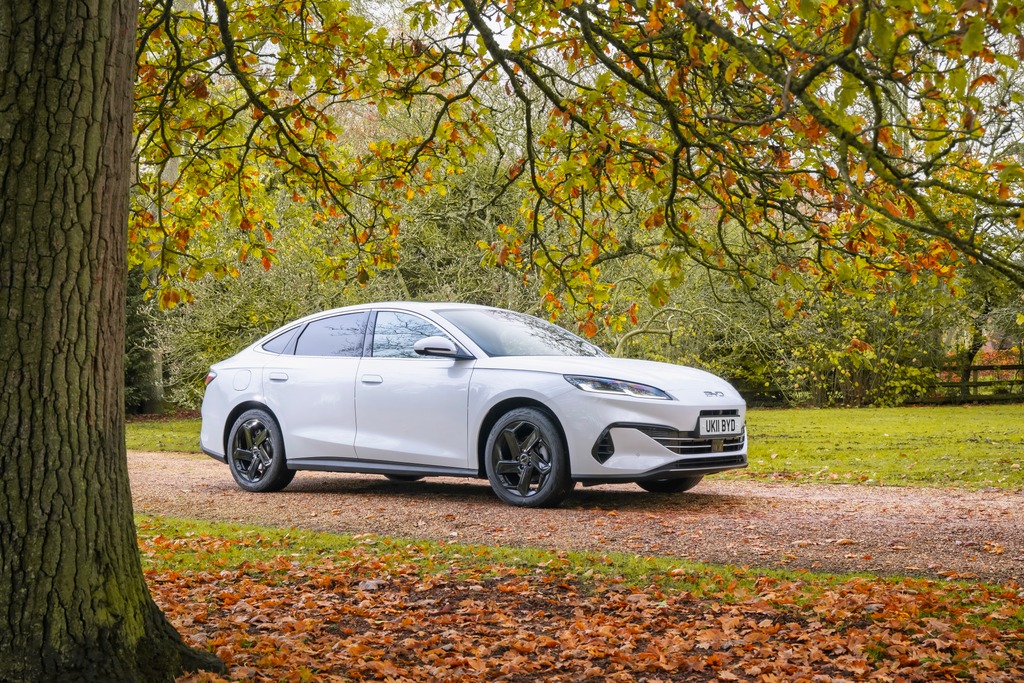


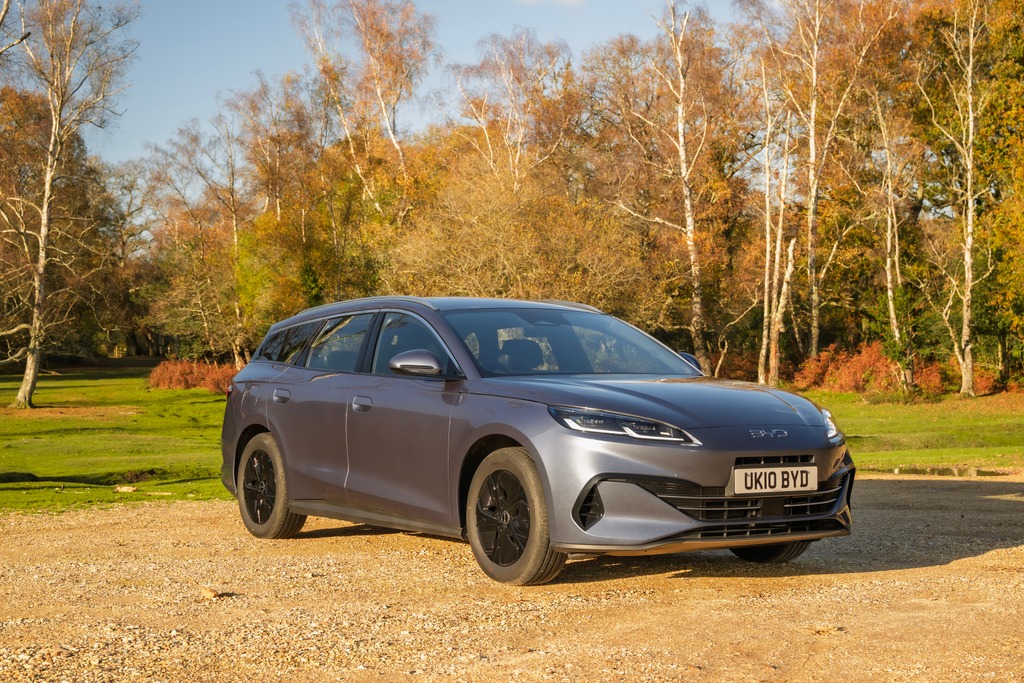


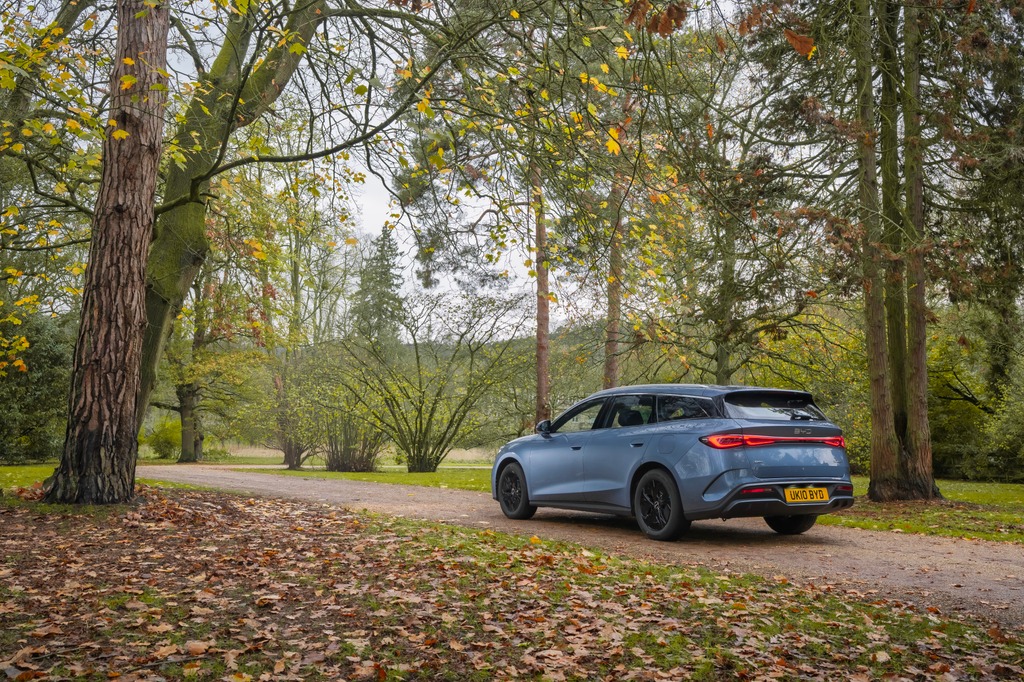


Both models offer an upmarket, stylish design that belies their price, starting at £33,990 for the Saloon and £34,990 for the Touring. Considering the standard equipment, this seems to represent a good buy for the money.
Interior and comfort
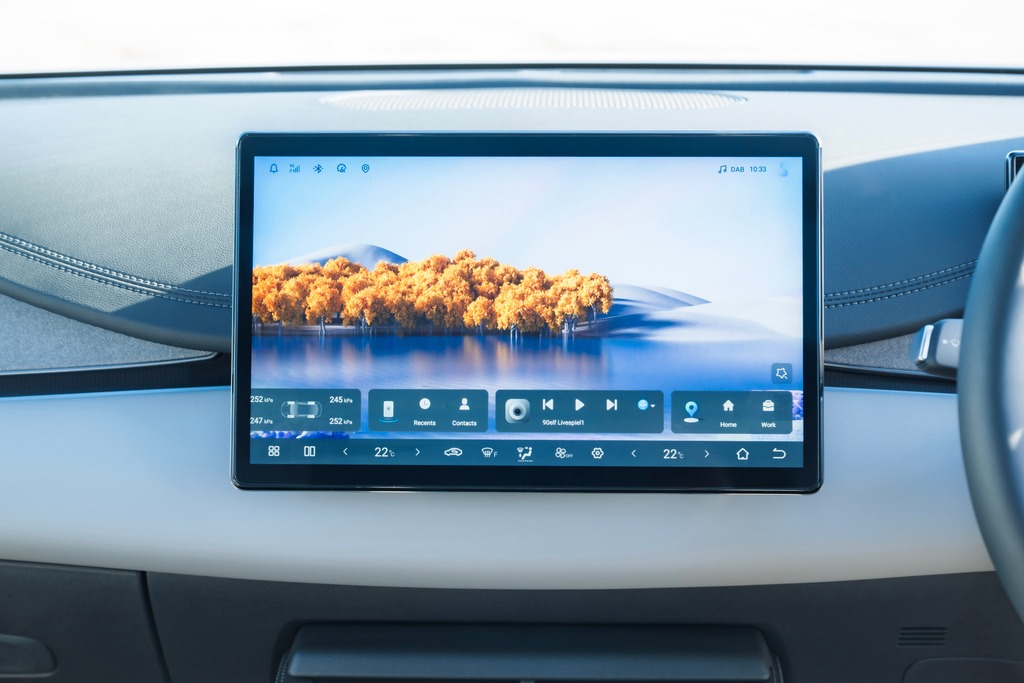
The cabin is a comfortable, tech-filled space with a minimalist setup common to modern EVs. Key features include:
- A large, rotating tablet-style infotainment screen that controls major functions like connectivity, infotainment, and satellite navigation. Both accessible via Android Auto or Apple CarPlay.
- Leather seats and plenty of USB ports.
- A genuinely roomy interior, particularly in the rear, ensuring comfort even for larger adults on longer journeys.
Boot capacity
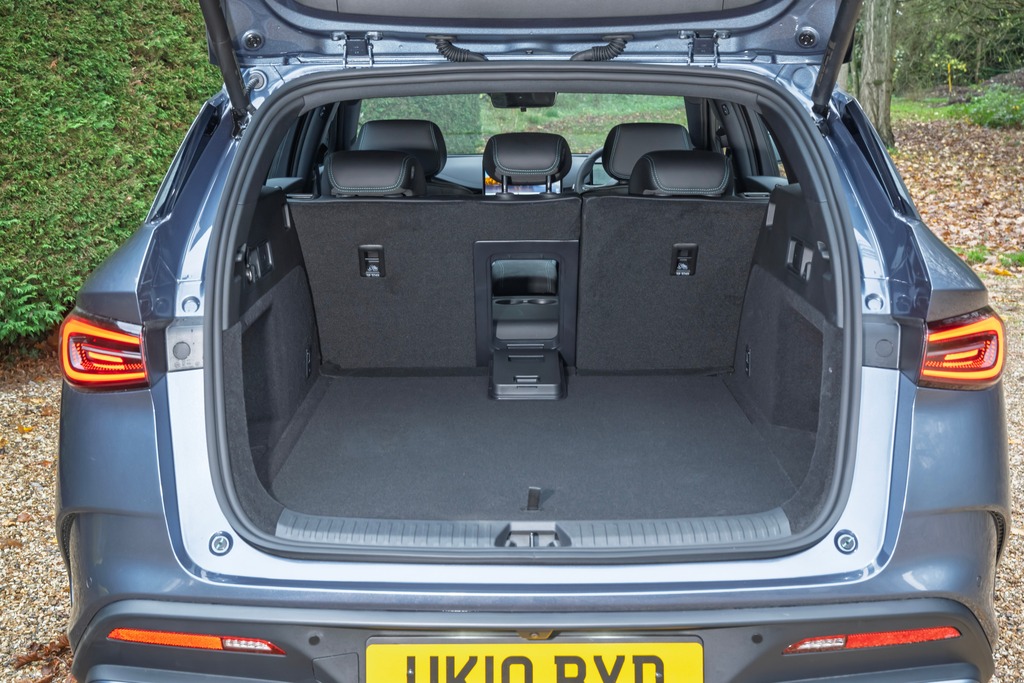
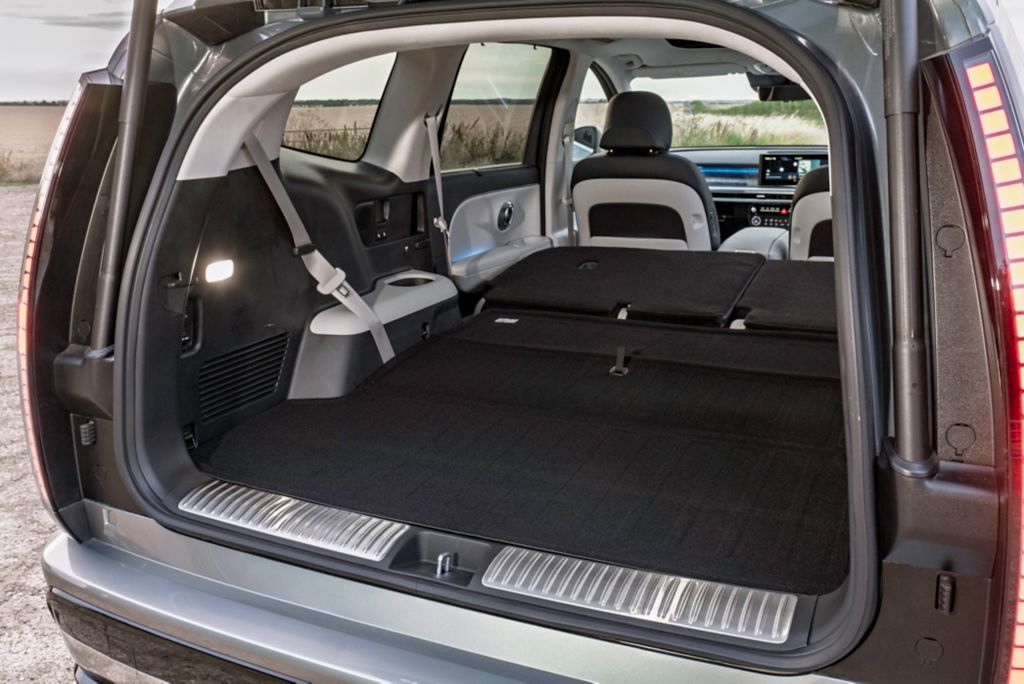
The estate offers excellent, if not class-leading, boot space. It provides 560 litres with the rear seats up, expanding to a maximum of 1,460 litres with them folded. The saloon remains practical for its segment, with a useful 450 litres of cargo space.
Safety and driver assistance
Standard features include multiple airbags, electronic stability control, and a robust body structure.
It also incorporates advanced driver-assistance systems (ADAS), typically featuring adaptive cruise control, lane-keep assist, autonomous emergency braking, and blind-spot monitoring to enhance driver confidence.
Powertrain and performance
BYD’s “Super Hybrid” system operates primarily on battery power. On longer journeys, the petrol engine acts mainly as a generator to recharge the battery, promising a claimed total range of over 900 miles.
When more power is needed, the system can combine the power from both the engine and the electric motor for maximum performance.
Like other hybrids, it also uses regenerative braking to capture energy and recharge the battery while slowing down.
However, it is wise to be sceptical of this maximum range figure, which is likely achieved under ideal conditions.
Real-world factors like driving style, cold weather, high speeds, and hilly terrain will reduce that number. While 900 miles seems fanciful in practice, other BYD models have proven highly economical, and the Seal appears set to follow suit.
On the road
The test drive involved urban driving through busy towns as well as longer stretches on country roads and fast dual carriageways. Both cars felt refined and comfortable, with the leather seats providing good support. It’s not the quickest EV off the mark, but achieving 60mph in around 8.5 seconds provides enough pace for most needs.
Handling proved decent, though the ride felt a little firm. There was some wind noise around the door mirrors and road noise from the tyres on poorer road surfaces, though this largely disappeared on better roads. En route, the models’ design and branding attracted considerable attention, a sign that BYD has quickly established a growing recognition in the country.
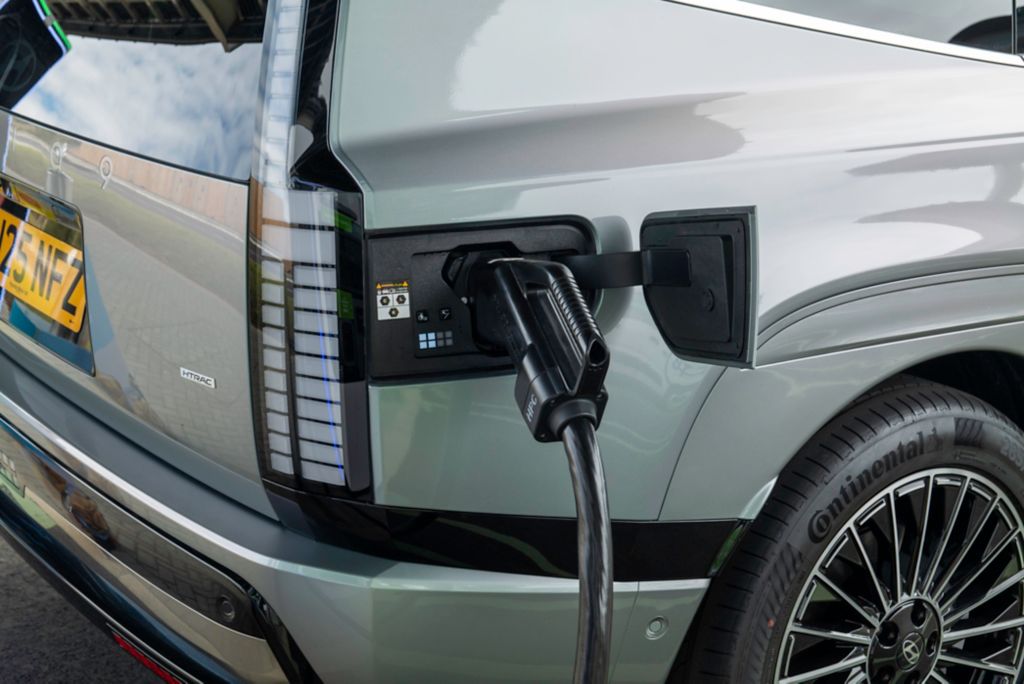
Every model comes with a six-year or 93,750 mile warranty. The vehicle supports AC charging from 15-100% in three or 2.7 hours (depending on the model), and a DC fast charge from 30-80% takes just 23 minutes. A 3.3kW Vehicle-to-Load (V2L) function is also standard.
Verdict
A technologically advanced PHEV, the SEAL 6 appears to offer a substantial electric range for a practical transition from combustion engines, in either saloon or estate form. Its real-world efficiency and long-term reliability in the UK are yet to be proven. But it looks good, feels premium and is keenly priced.





 On the road