60 years of motoring history celebrated

Special occasion for National Motor Museum Trust Reference Library

The National Motor Museum Trust will be celebrating 60 years of its Reference Library with an online commemoration from 28th April, giving motoring enthusiasts a fascinating insight into one of Europe’s largest publicly accessible motor heritage libraries.

Marking six decades since the library was opened in 1961, a selection of films will be available to watch on the National Motor Museum Trust YouTube channel, taking viewers behind the scenes of the library, which contains over 300,000 items, and revealing its remarkable history. This vast collection spans from the beginning of the automobile era in the 1880s right up to the present day.

The Reference Library curators, Carina Taylor and Lindsay Whitaker-Guest, are looking forward to commemorating this invaluable resource.  Lindsay said: “The 60th anniversary is definitely a proud moment for us as it shows how far the collection has come over the years”.  Carina said: “Thanks to the expert knowledge of all its librarians, staff and volunteers, past and present, the service has become the place for information and advice whether you are a vehicle restorer, academic researcher or finding more about your family history”.

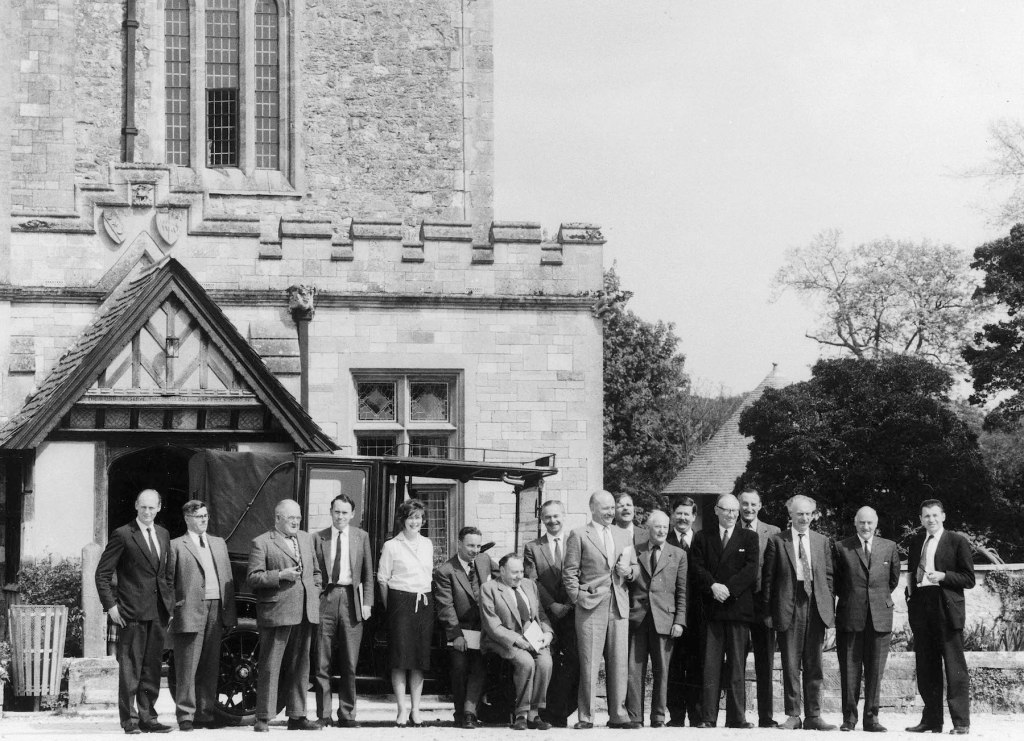
The Reference Library, or National Road Transport Library as it was originally called, was officially opened on 28th April 1961 by the late Edward, 3rd Baron Montagu of Beaulieu, who recognised the importance of providing a motoring library and archive service for historians, researchers and members of the public.

From its unlikely location in the kitchens of Palace House, the Montagu family home, the library expanded quickly, relocating to larger premises at Beaulieu’s John Montagu Building in 1972, then to its current location in the National Motor Museum Trust’s Collection Centre in 1989. Today, it occupies five rooms over two floors.

The Reference Library tells the story of motoring in Britain and abroad.  The service provides access to a wealth of research material including rare and out of print publications on everything from cars and motorcycles to commercial vehicles. The collection of 300,000 items includes 14,000 books, 7,000 bound volumes of periodicals, 100,000 loose periodicals, 70,000 sales literature items, around 25,000 handbooks, 7,000 workshop manuals and over 9,000 event programmes and show guides. The collection continues to grow with over 2,000 historical and contemporary items added each year.

Highlights include early motor journals The Car Illustrated and Coach Builders Art Journal, early French motor journals, a rich collection of vehicles sales literature and brochures dating back to the 1880s, technical material and almost complete runs of The Autocar and The Motor.  

Normally the library’s collections can be accessed by making an appointment in advance through the Motoring Research Service.  Each appointment and visit is led by Patrick Collins, the Research and Enquiries Officer, who brings extensive knowledge and expertise of the collection and motoring history.  Like many places the library has had to close its doors due to the national lockdown restrictions.  

Despite this, the service still receives many enquiries from researchers keen to continue their work. Once Government guidelines allow and it is safe to do so, the library hopes to reopen with new Covid-secure procedures and welcome back visitors again.  This will become another great moment in the library’s long and wonderful history.

The National Motor Museum Trust YouTube channel can be found at www.youtube.com/user/MotorMuseum.

For more information about the Reference Library, the Motoring Research Service and the National Motor Museum Trust collections, please visit www.nationalmotormuseum.org.uk.  
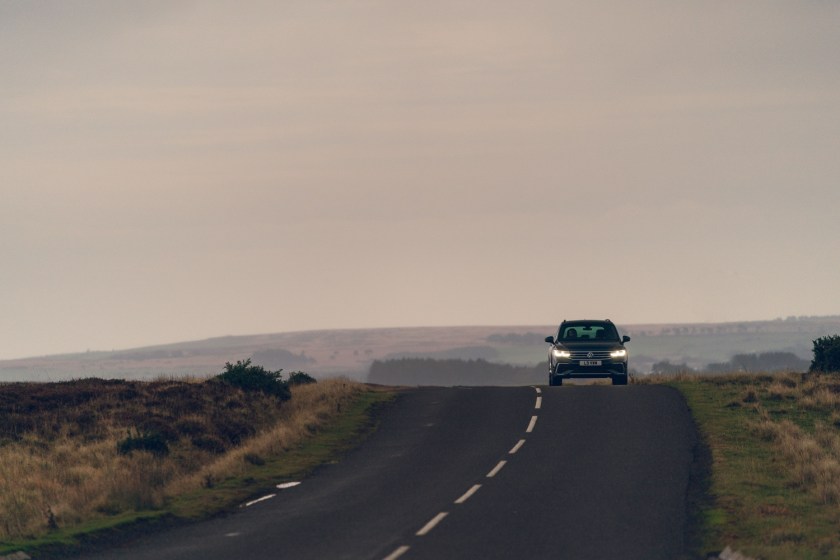
Tiguan is a true ‘people’s car’

Volkswagen Tiguan

By Bill McCarthy

THE translation of Volkswagen into English could well describe the latest version of the firm’s hugely popular SUV.

‘The people’s car’ is very apt, with the VW Tiguan having sold six million worldwide since its introduction in 2007. So popular it took another nine years for the second generation to come along in 2016 and now that model has had a major revamp at the end of last year.

It is Europe’s best selling SUV and gets a new trim line-up and a choice of petrol, diesel and hybrid power units, together with design and technological advances.

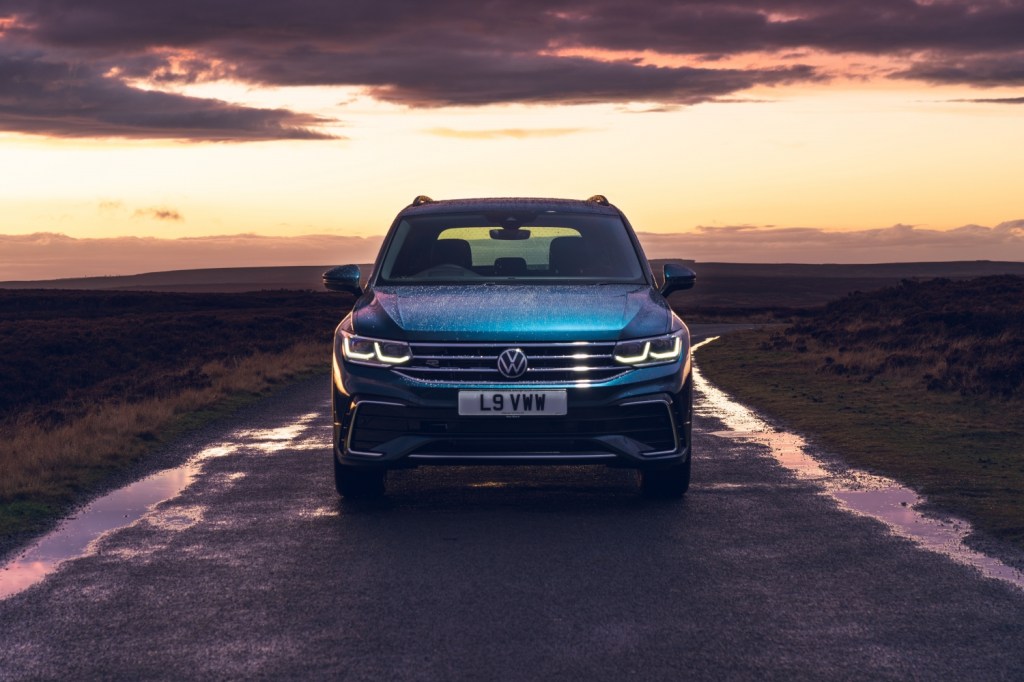
Already one of the most stylish and recognisable on the market, it retains its muscular SUV look, sitting high off the ground with stylish 18-inch alloys. However the rugged look is softened with roof rails, rear tinted glass, LED Matrix headlights flanking the slim grille and large air flow ducts below.

 The firm’s Y-structure trim allows for two range toppers. It starts with Tiguan, then Life and a choice at the top end of Elegance for luxury, and R-Line, driven here, being the sportier model. This features 20-inch ‘Misano’ alloy wheels, lowered sports suspension, bespoke  bumpers and rear roof spoiler, as well as upgraded light clusters.

“Acceleration is brisk, with top seed of 121mph . . . . if you are driving on German autobahns”

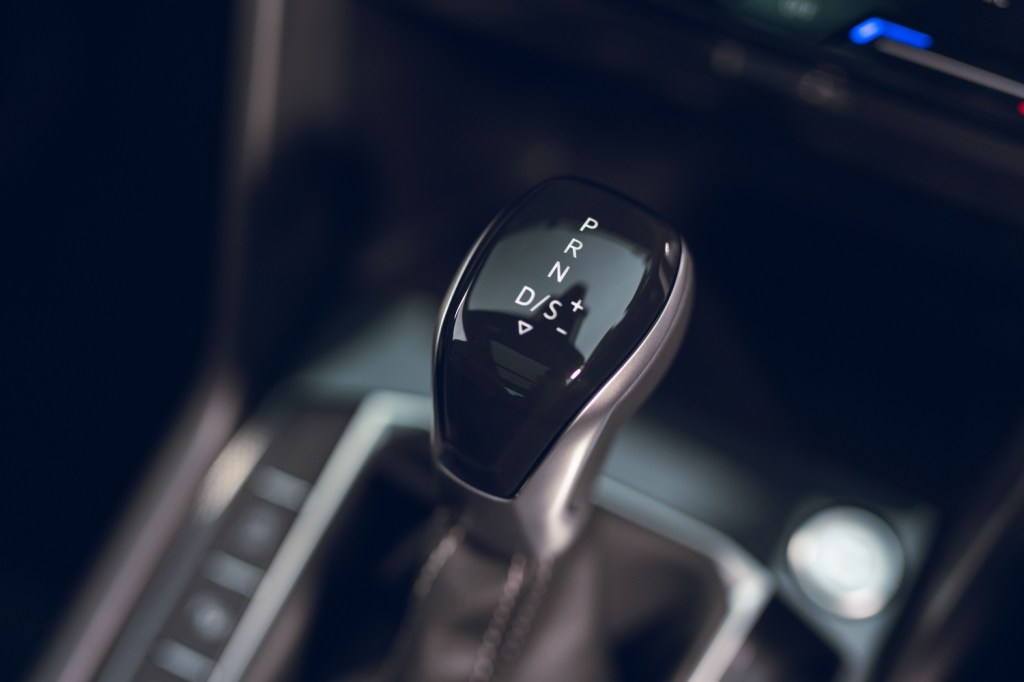
This model featured the hi-tech 1.5-litre TSI, 150 PS engine, mated with the familiar, slick-shifting 7-speed DSG transmission. The engine features cylinder deactivation, shutting down two cylinders under certain conditions to boost mpg and reduce CO2 emissions.

The interior is much improved  with the digital instrument panel ‘cockpit’ and the eight-inch touch screen dominating. The touchscreen controls navigation and sound system which includes DAB radio, and connectivity with streaming and internet capabilities. Smartphones can be hooked to Apple CarPlay and Android Auto via screen mirroring.

In typical VW style the interior is solidly built with high quality fixtures and fittings, together with high-end soft touch finish to dash and doors and leather bound steering wheel and gearshift.

It is a comfortable place to be, with 30-colour ambient lighting, heated front seats, sports steering wheel with touch control function, brushed stainless steel pedals and a black headliner and aluminium scuff plates displaying the R-Line logo.

On the road the engine is refined, with plenty of grunt, and whether in full auto mode or having fun with paddle shifters behind the steering wheel, is an engaging drive. Acceleration is brisk, hitting 60 in just over nine seconds and on to a top speed of 121 mph, if you fancy it, driving on the German autobahns.

Considering its high-off-the-ground stance, it feels stable, even when cornering at higher speeds, while the steering is nicely weighted and direct. The gearshifts via the dual-clutch box are barely perceptible, particularly around town. On the motorway is a comfortable cruiser with plenty of torque to aid overtaking at higher speeds, with only road noise from the large alloys occasionally intrusive and, if being really picky, some wind noise from the door mirrors.

 The cylinder technology helps to deliver impressive real-world economy, with nearly 40mpg possible according to the WLTP figures and CO2 emissions of 143 g/km.

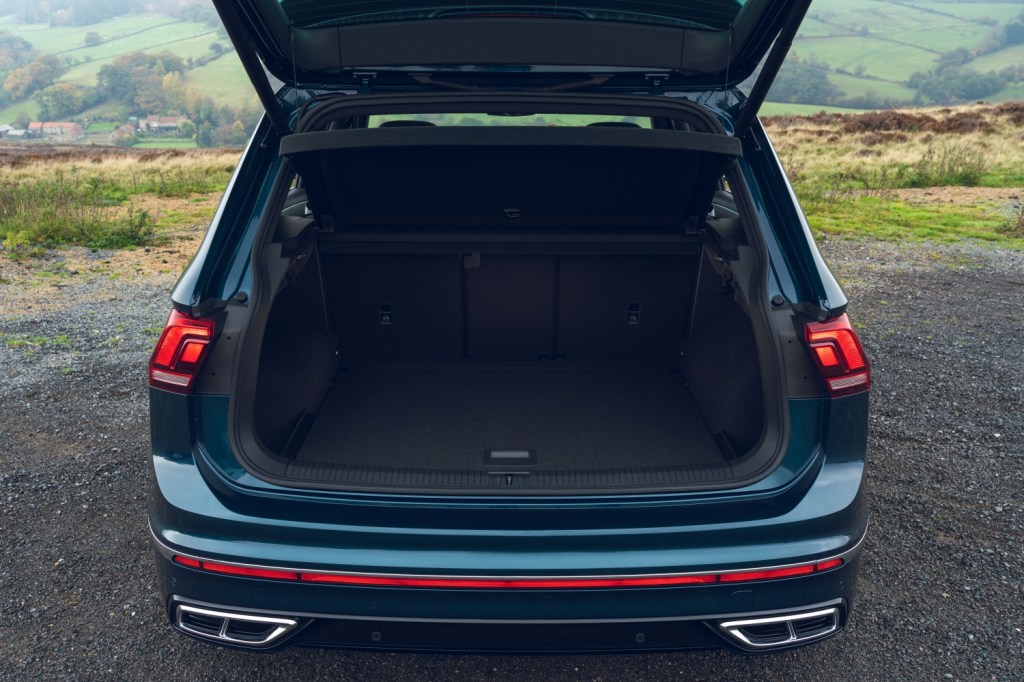
There are multiple space and stowage options via the 40/20/40 split-folding rear seats which also slide back and forth. It has a large boot, which comes with the option of ‘kick’ operation for easy remote opening and easy loading, and partitions for keeping items separate.

The generous 615 litres increases to a huge 1,665 with the seats folded flat. In addition a large bin between the front seats offers further stowage space, as do the roof rails.

 There is a full complement of airbags, plus features like stability and traction control together with Adaptive Cruise Control, Front Assist and front and rear parking sensors, as well as a Driver Alert System and Dynamic Road Sign Display.

The R-Line also features Emergency Assist and Travel Assist over the Elegance trim model, facilitating Level 2 autonomous driving at speeds of up to 130 mph (where permitted).

The entry-level trim kicks off with a generous raft of equipment, including 17-inch alloy wheels and LED headlights and the goodies mount up as you move up through Life and then twin range toppers Elegance and R-Line.

Factfile

Volkswagen Tiguan R-Line 1.5 TSI 150 DSG

Price: £ 32,135

Mechanical: 1498cc, 150PS, four-cylinder petrol engine driving front wheels via seven-speed DSG auto transmission

Maximum speed: 126mph

Acceleration: 0-60mph in 9.2 seconds

Economy: 38.8 mpg

Insurance group: 20E

CO2 emissions: 165g/km

BiK rating: 36 per cent

Warranty: three years, 60,000 miles