
Nissan Qashqai N-Connecta e-POWER
By Bill McCarthy
When the Qashqai first hit the roads in the UK, few would have predicted its phenomenal success. Coming from left field nearly 20 years ago, it became a best-seller, setting a benchmark for others to follow.
A tribute to its quality and customer loyalty, it is still a top seller and, according to full-year data from the Society of Motor Manufacturers and Traders (SMMT), the Qashqai h ranked as the third best-selling car in the UK in 2025 with 41,141 registrations.
According to year-to-date figures as of February, it holds fifth position in the sales rankings, demonstrating that it remains a popular choice in a competitive segment and remains the best-selling British-built car.
It keeps reinventing itself, and the latest version is, as you would expect, the best yet, with upgraded powertrains and bolder styling. For 2026, both the styling and powertrain have been refreshed recently with bolder looks, an upgraded e-POWER system, and a cabin packed with smarter tech.
A diesel-beating family friendly hybrid
While the drive to full electrification goes on, even at a slightly slower pace, Nissan still has faith in its hybrid formula, with this model powered by a clever series-hybrid setup that drives like an EV but fuels like a petrol car.
While EVs are set to be the only option from 2035, a smart hybrid like this can easily serve for another decade or more, making it a solid choice for families not yet ready to go fully electric.
Bolder looks, familiar silhouette
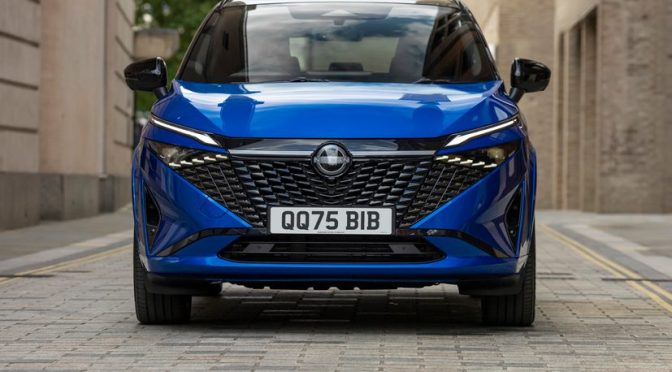
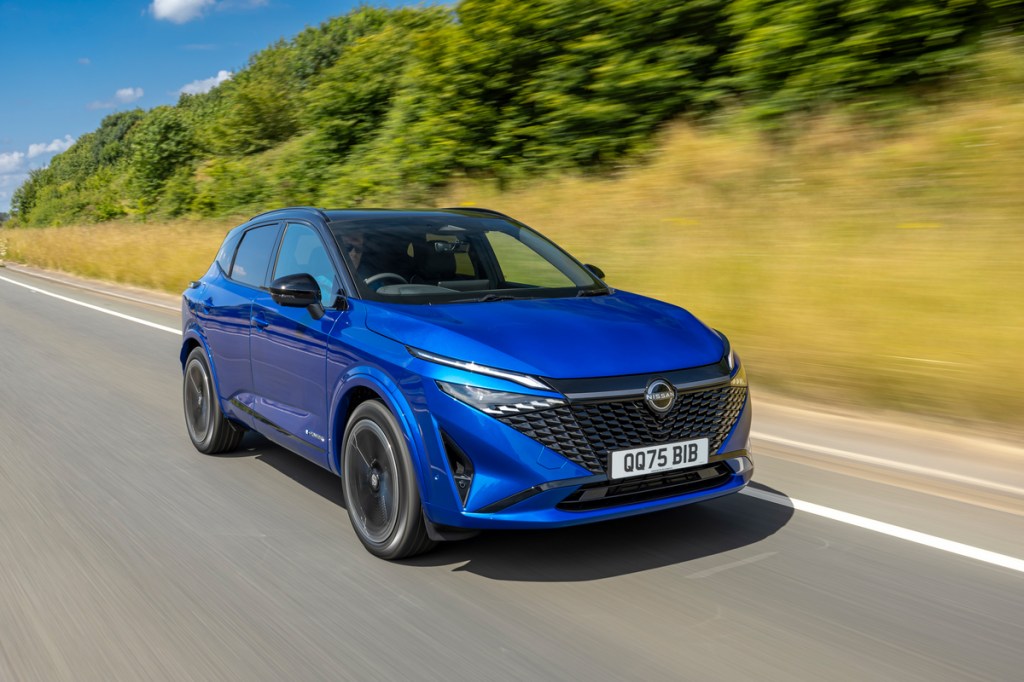
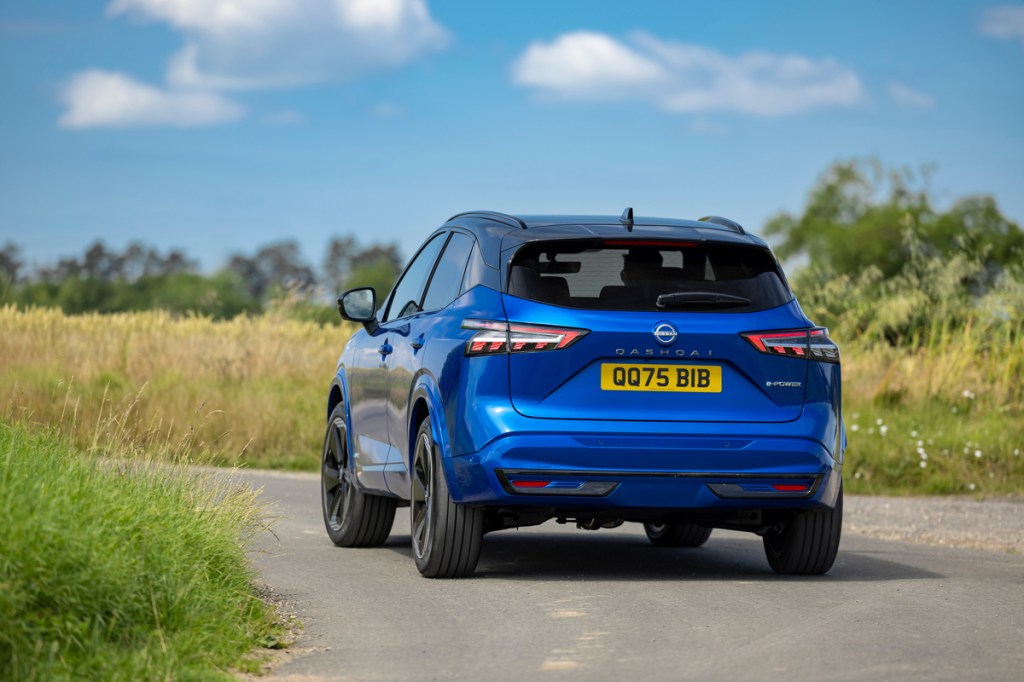
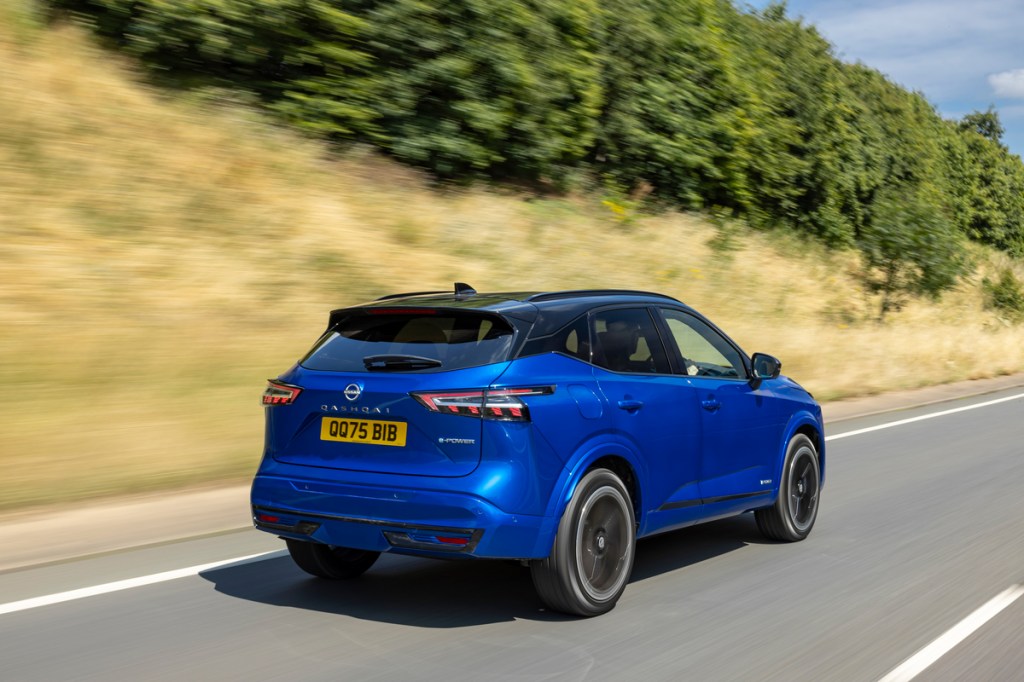
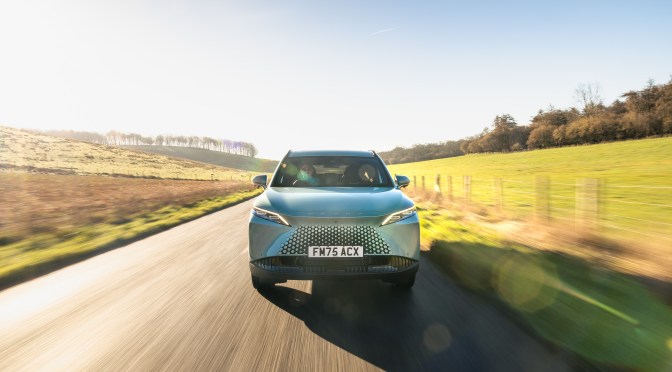
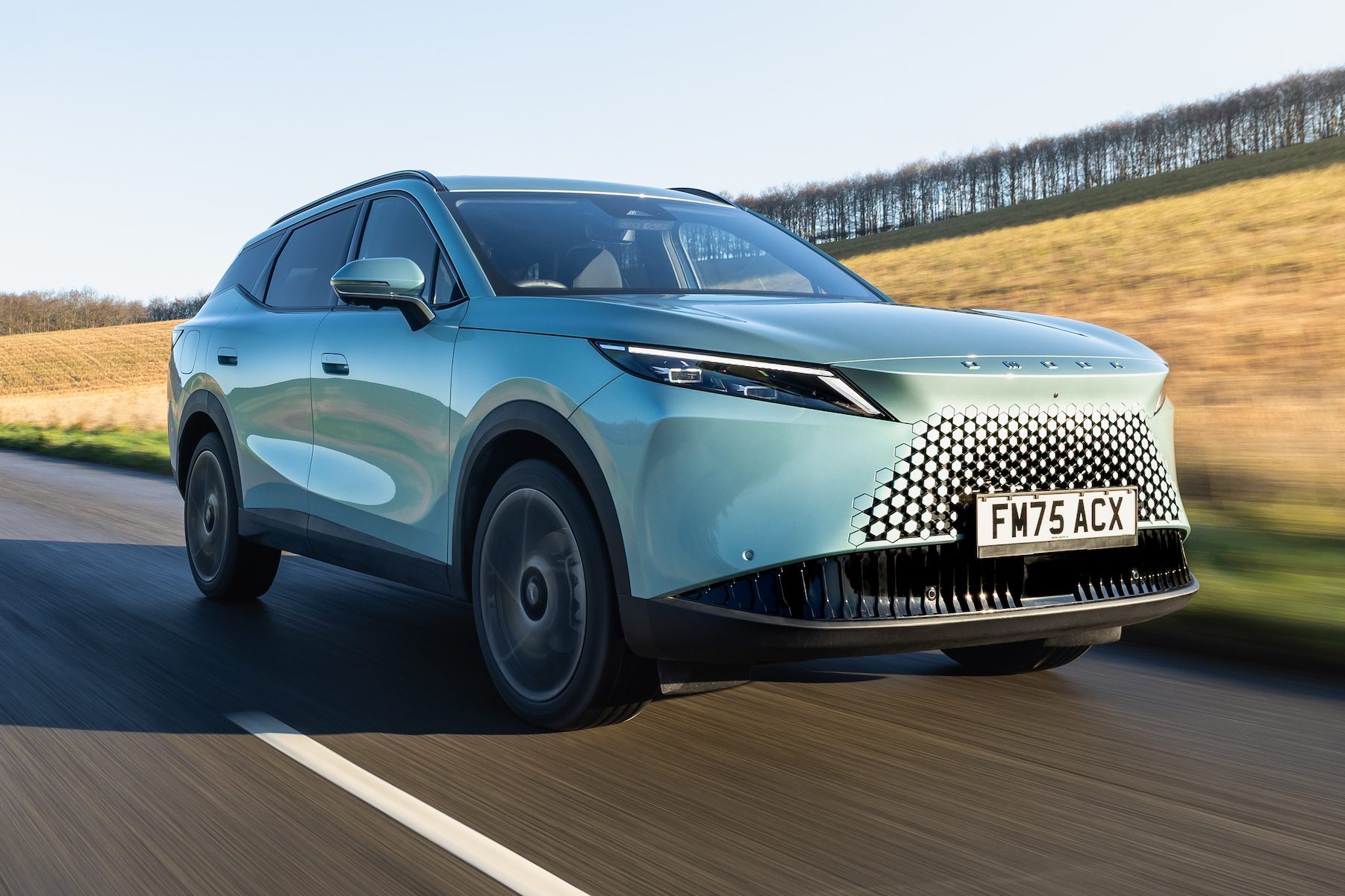
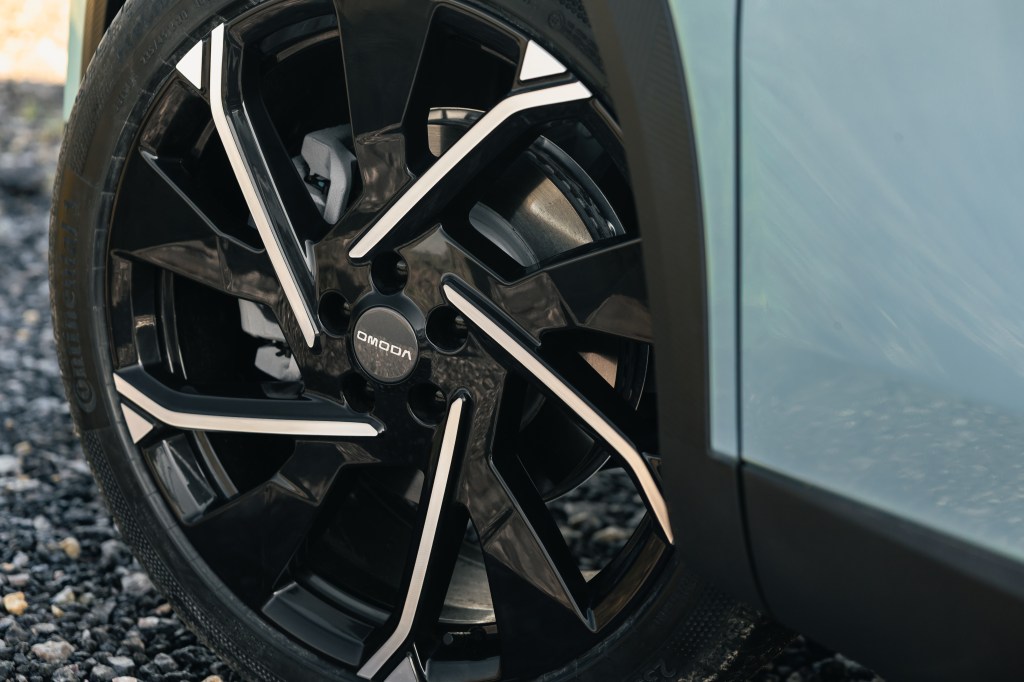
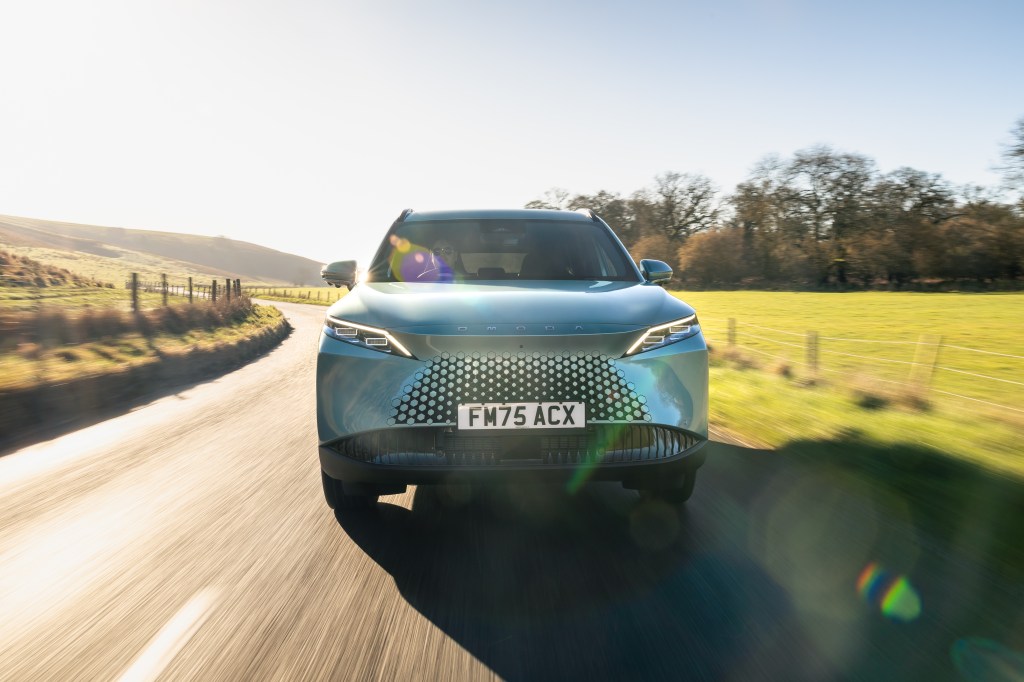
This latest, bolder Qashqai sports a striking ‘samurai armour’ front fascia, a larger V-shaped grille flanked by slim full-LED headlights, rounded off by eye-catching diamond-cut alloy wheels. It has the sleekest most aerodynamic look yet.
Refined, logical interior
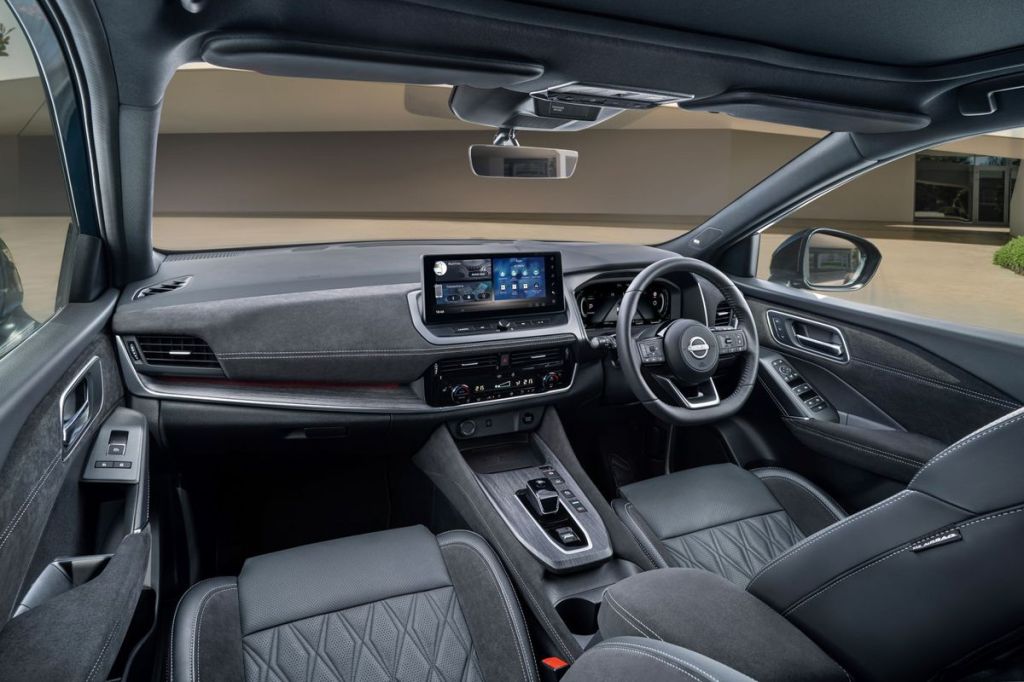
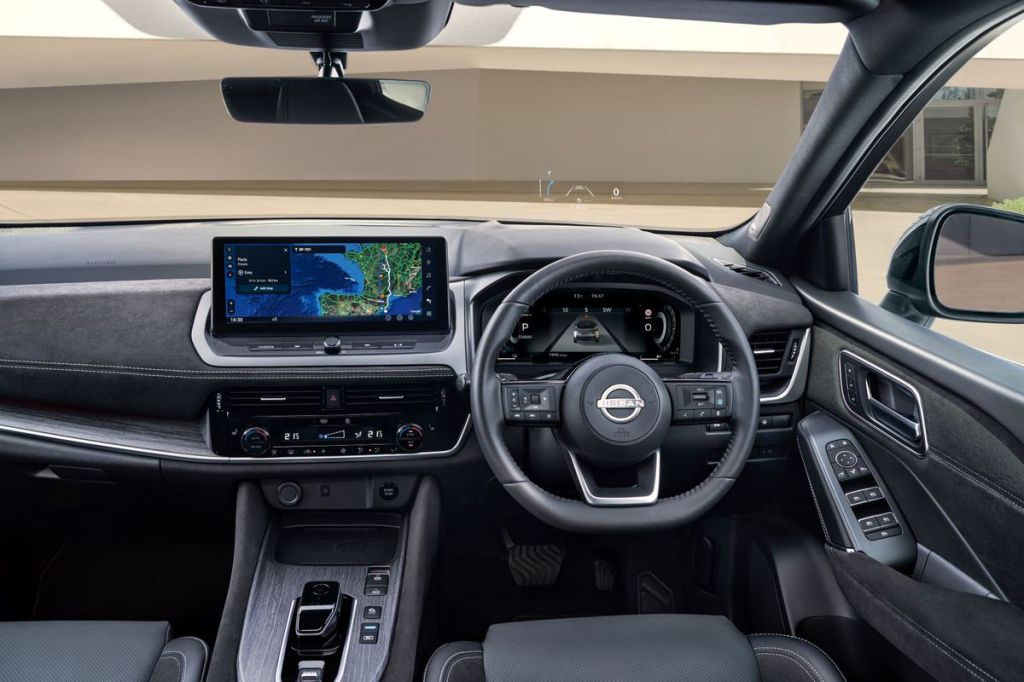
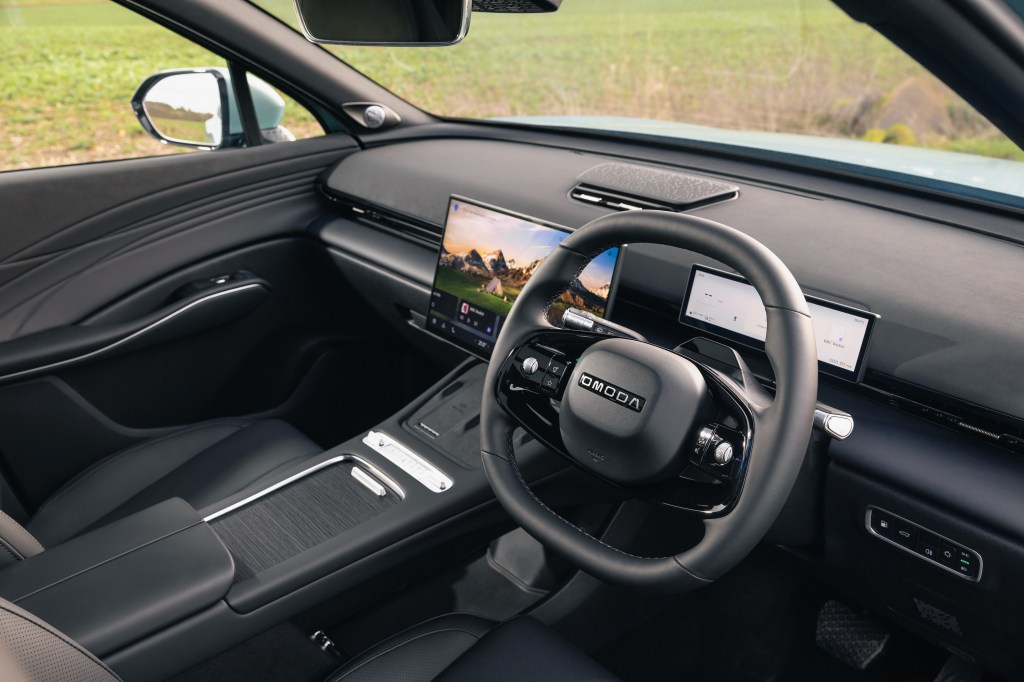
The Nissan interior has always been a logical, user-friendly place, and this N-Connecta version is no exception. The latest cabin is packed with high-end fixtures in places and soft-touch finishes, though some harsher plastics remind you this isn’t a premium brand.
But at over £37,000, it is creeping perilously close to the e UK’s Expensive Car Supplement, charge of £425 annually for five years (from years two to six) on top of standard car tax. However, this range topper is packed with standard and inviting list of standard equipment
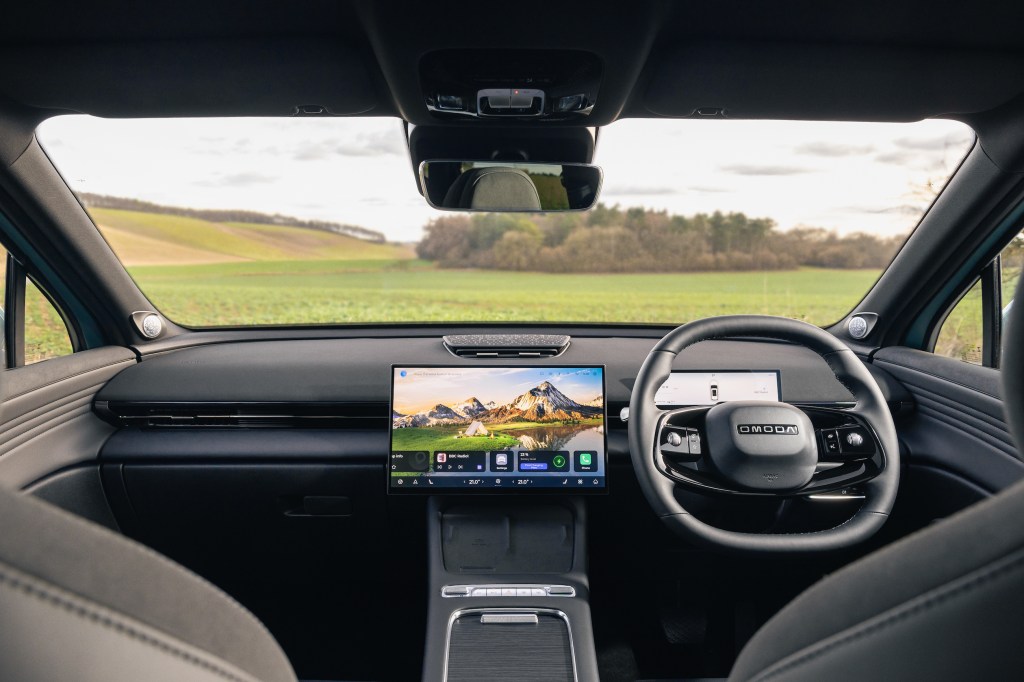
There are patterned leather-style seats, selectable ambient lighting, and robust, tactile buttons for those who prefer not to live entirely via a touchscreen.
Tech that works with you, not against you
The now familiar digital setup features a 12.3-inch central touchscreen running the NissanConnect system with Google built-in together with controlling various apps, infotainment and connectivity. Voice recognition, allows seamless access to various controls.
Practicality remains a cornerstone
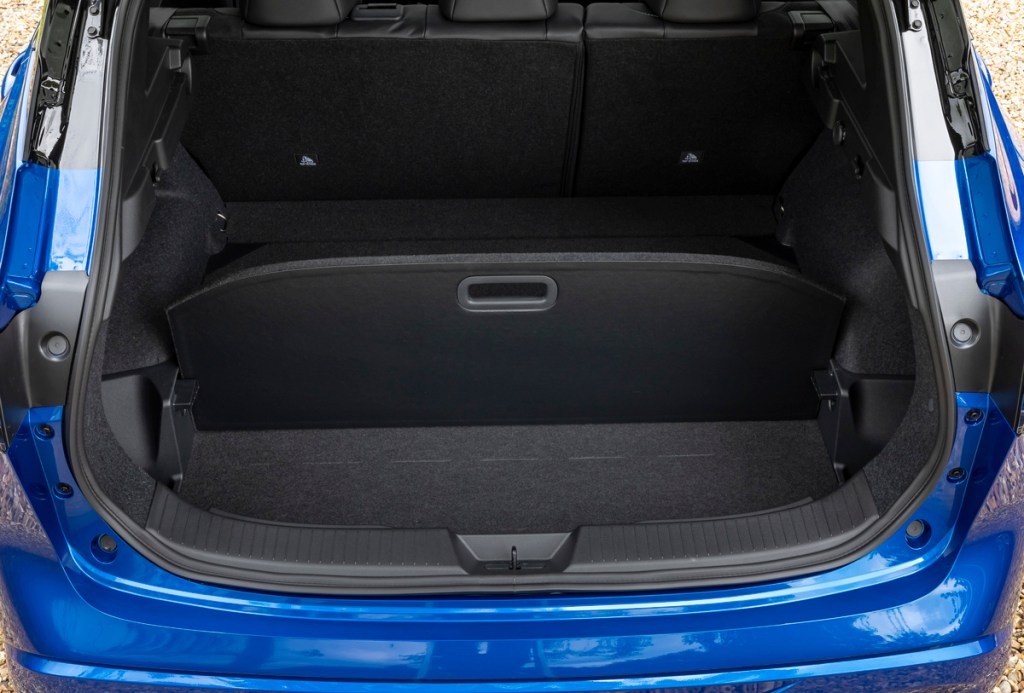
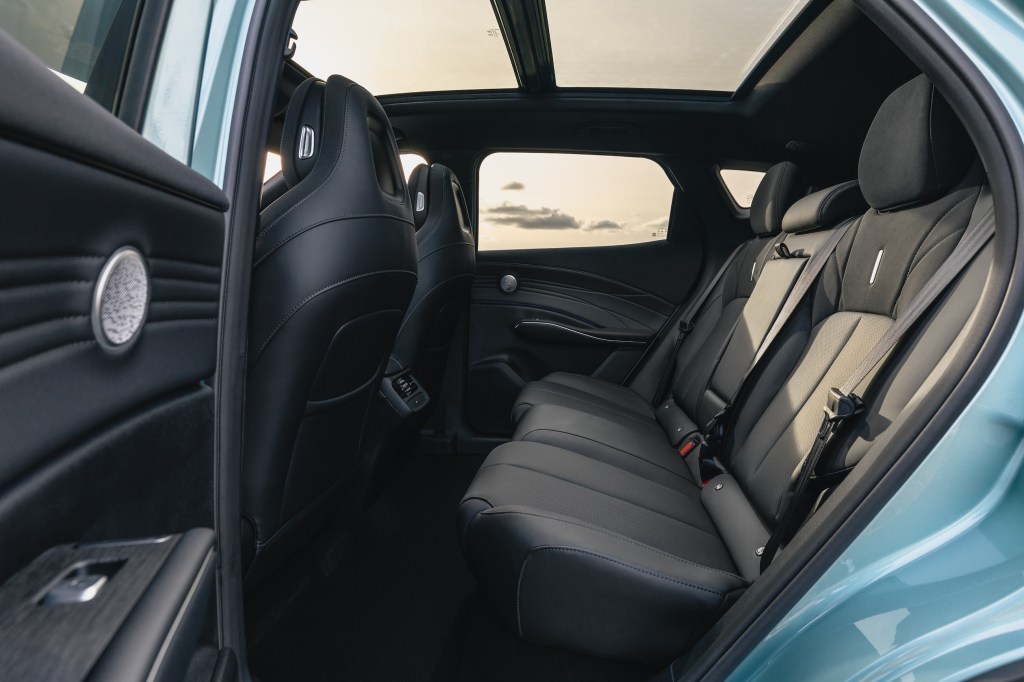
The interior space is generous, providing good legroom – especially in the rear. Boot space is more than adequate, with 479 litres available, expanding to 1,415 litres with the rear seats folded. It also features a split-level boot system called the “Flexible Luggage Board” system .
This consists of a pair of removable and adjustable boot boards that can be positioned to create two different floor levels. You can also use them to create a divided storage area.
e-POWER: clever but not perfect
On the road, the e-POWER system is clever and responsive. The upgraded 202bhp electric motor powers the car to 62mph in a brisk 7.9 seconds, while the 1.5-litre petrol engine simply acts as a generator. In theory, it’s brilliant. In practice, the engine can become intrusive when worked hard, noticeably on steeper hills.
Refined drive with instant torque
Being an electric drive most of the time, the instant torque means town driving is lively and near-silent. Crucially, economy is good with a claimed 64.2mpg, though on the car’s readout that figure was far off the mark – expect mid-50s in the real world. Still up there in old diesel territory.
On the road
The upgraded suspension delivers a composed ride, dismissing twisty B-roads with ease. It can get slightly unsettled on the worst urban surfaces, but overall, it soaks up the majority of imperfections while keeping family occupants comfortable. For a more relaxed drive, the e-Pedal feature allows for one-pedal driving and braking, which works well in heavy traffic.
Safety and driver assistance
- Safety features are comprehensive, including:
- Hill-hold assist
- Electronic stability control
- Full complement of airbags, including a central airbag to prevent front occupants colliding in a side impact
- ProPILOT driver assistance suite
- Adaptive cruise control for heavy traffic
- Fatigue and distraction monitoring
- Automatic emergency braking
- Lane departure warning
Verdict: clever but pricey
The 2026 Nissan Qashqai does a lot right. It’s roomy, well-built where it matters, and the hybrid system is genuinely clever. But here’s the rub: at just over £38,000 for this model, its pricey. However, it’s economical and sales tell us it remains a popular and capable family car and likely to stay that way.
Factfile
- Nissan Qashqai N-Connecta e-POWER
- Price: £38,080
- Powertrain: 202bhp combined electric motor and 1.5-litre three cylinder petrol engine, driving the rear wheels via an automatic transmission
- Maximum speed: 104 mph
- 0-62 mph: 7.9 seconds
- Combined MPG: 64.2mpg (WLTP)
- Insurance group: 26
- CO2 Emissions: 103 g/km
- BIK Rating: 26%
- Warranty: 3 years/60,000 miles
 On the road