

DS4 Plug in hybrid
By Bill McCarthy
It’s a bit of a juggling act when you have two very similar brands. In this case DS and Citroen. How do you share much of the technology but give each a distinct and separate identity?
By making sure your audience knows yours is a premium product by backing that up with style and panache.
Making it jewel in the crown if you like, which is pretty much a theme with DS.
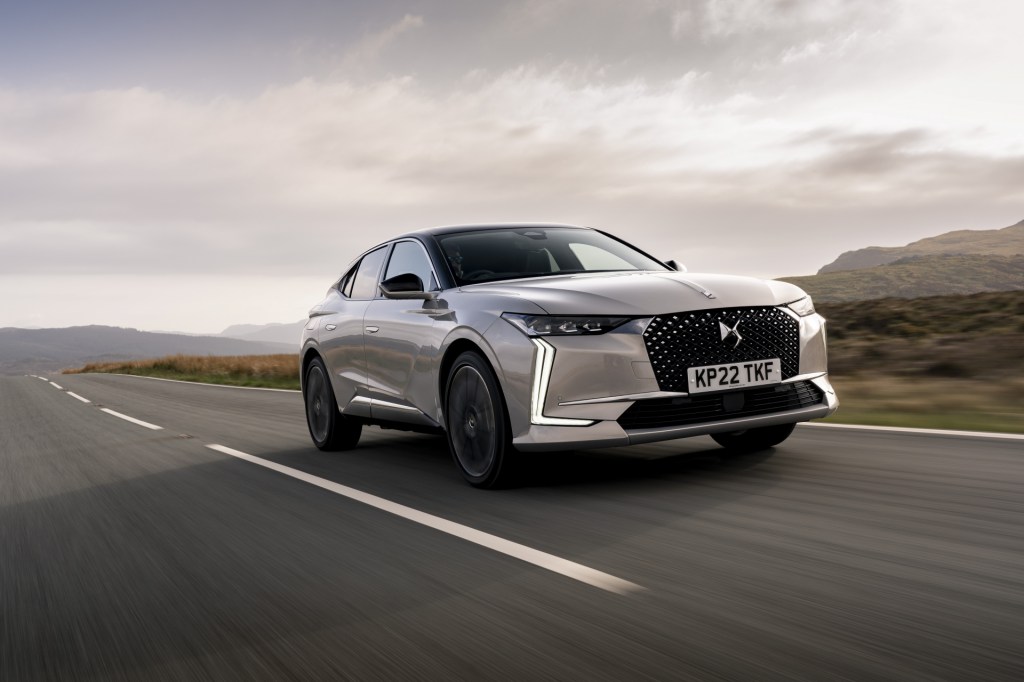
There’s no doubt this DS4 has both is spades and is arguably the most stylish DS so far, certainly in this specification.
It also offers impressive performance with this plug-in hybrid. The 1.6-litre petrol engine and electric motor generate develop around 225 bhp with a claimed electric range of just short of 40 miles.
It looks stunning, so much so the 37th Festival Automobile International jury has awarded the prize for the Most Beautiful Car of 2022.
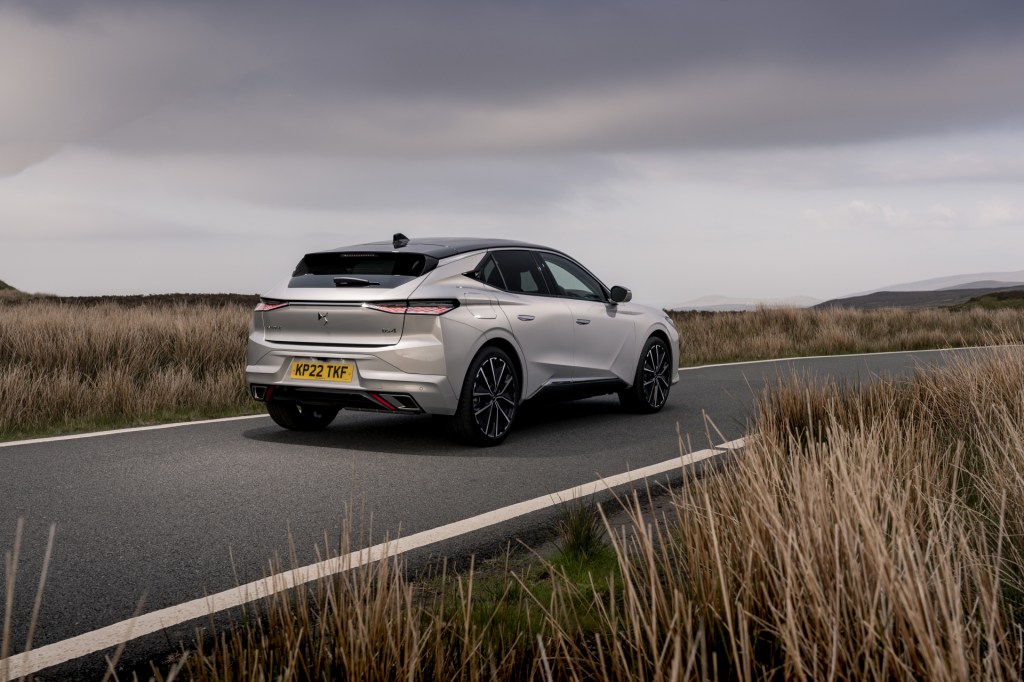
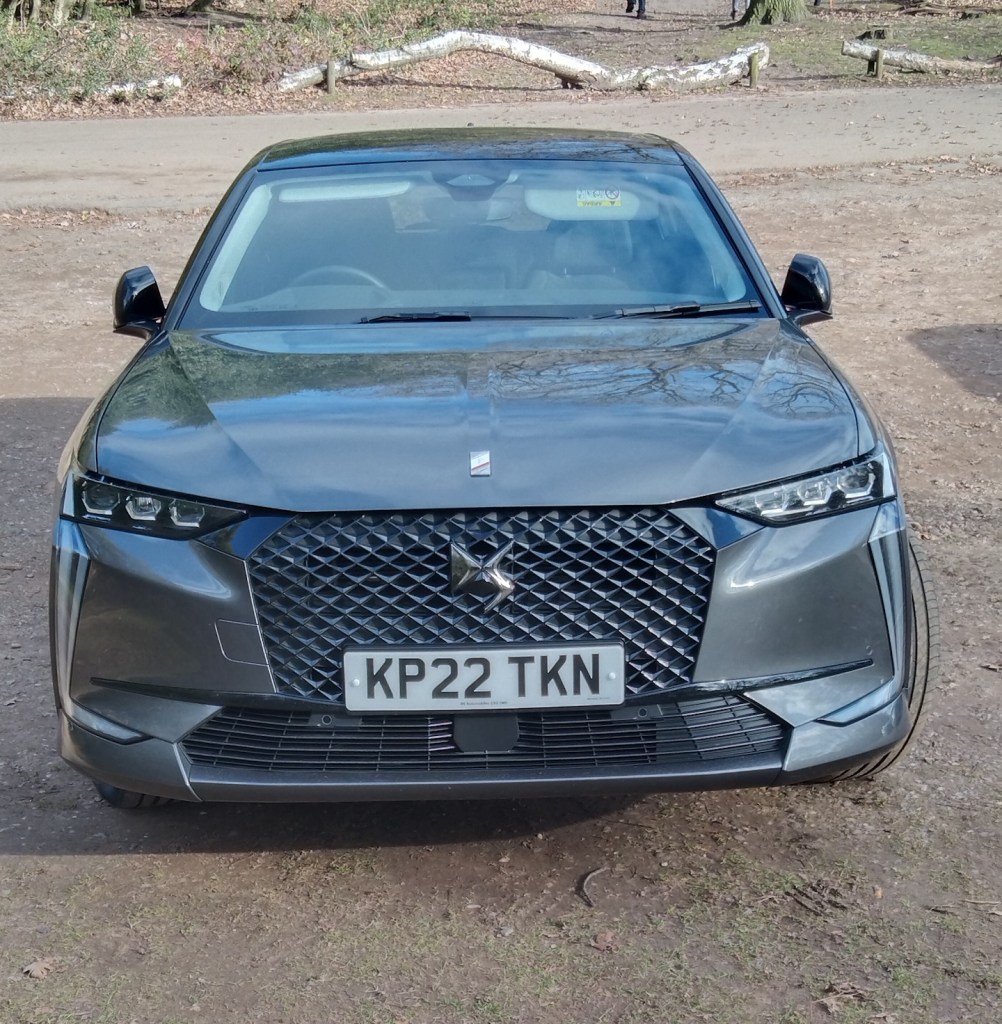
You can see why. It offers sleek aerodynamic styling with the slim LED matrix headlights flanking a deep, black grille. To the rear slim light clusters incorporate a clever diamond design.
What can come as a surprise to passengers for the first time are the flush door handles, which pop out when the door is unlocked via keyless entry and settle back into place when the door is closed.
The E-TENSE badging is prominent front and rear and dark tinted rear windows add that extra bit of class.
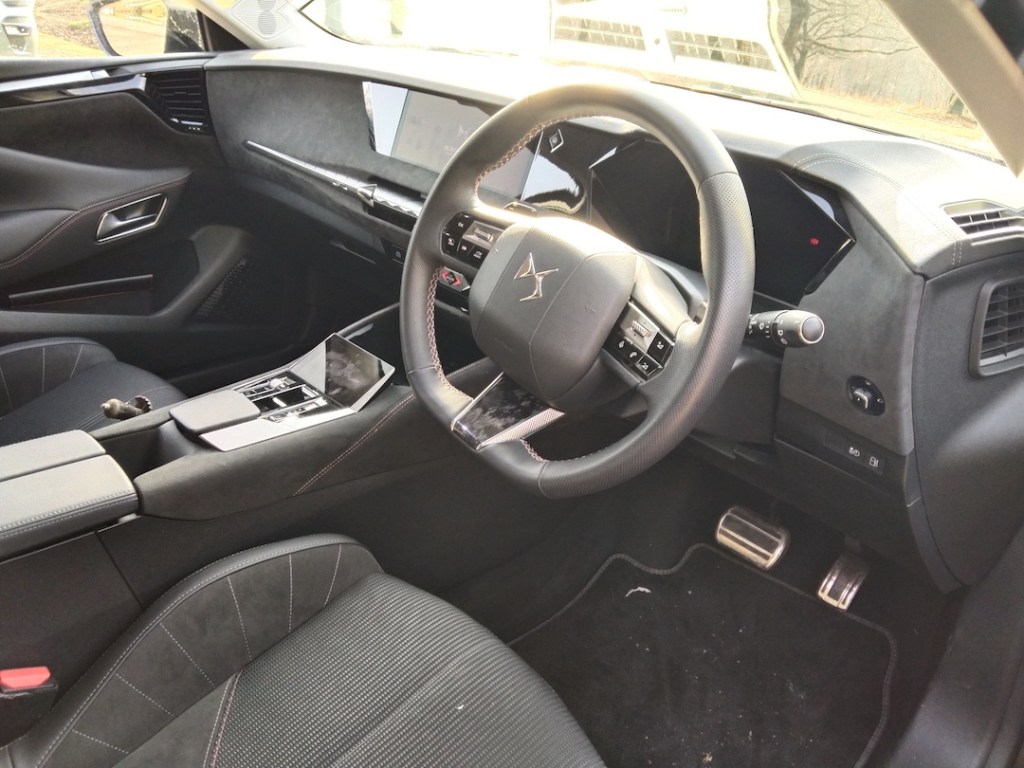
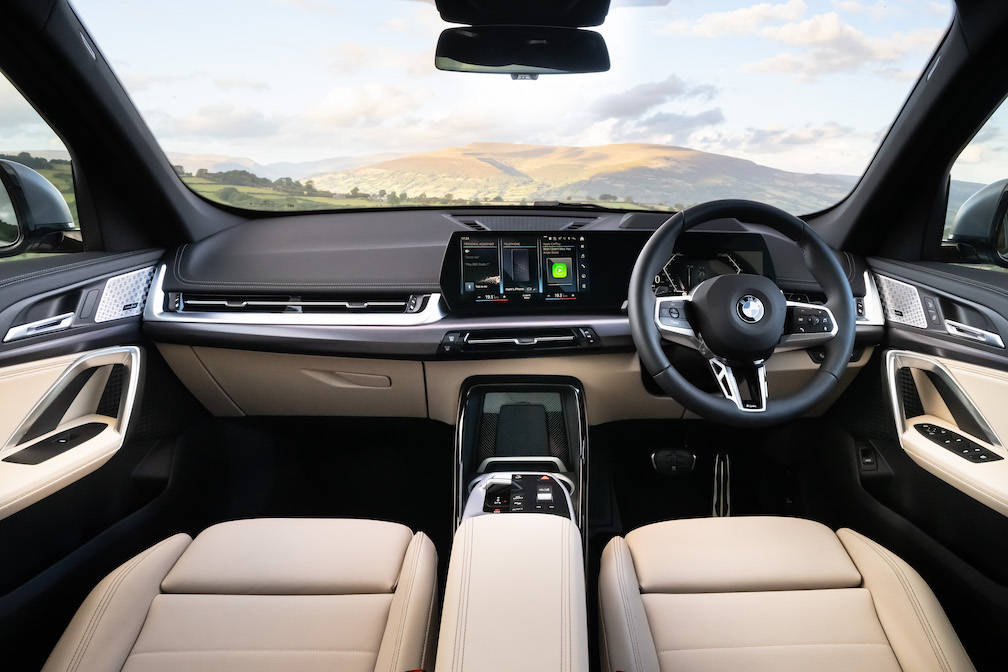
Inside, the Black Alcantara-clad interior is a masterclass of clever design and comfort and also features the running jewel-like theme, with diamond-shaped controls on dash and a seven-inch centre console which controls infotainment, connectivity via Apple CarPlay and Android Auto and navigation.
Other nice touches include stitched upholstery, aluminium pedals and ambient lighting.
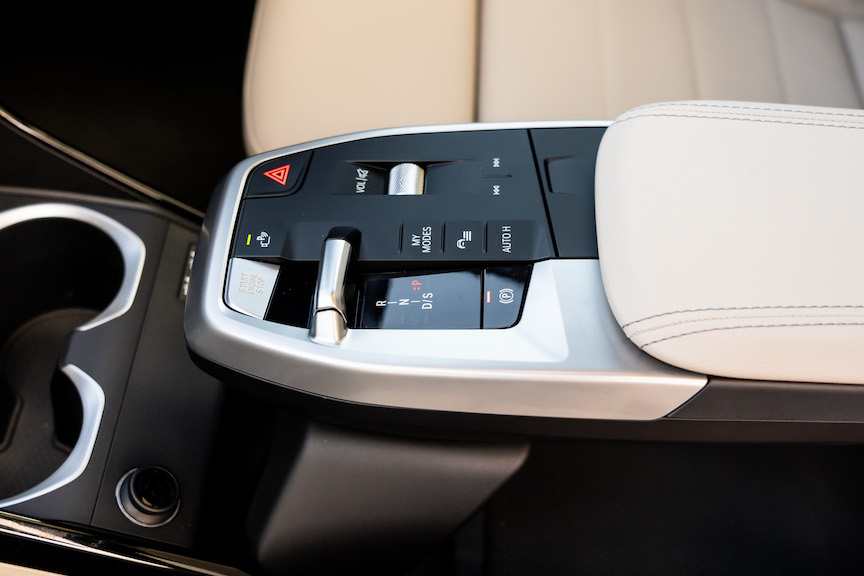
Below the touchscreen is a slim panel of controls with a starter button set in the centre and below that is another touchscreen next to the gear selector where you can finger swipe to access six programmable favourites on the main screen.
A bit gimmicky, but it does work.
Space for the front occupants is good, but can feel a bit cramped to the rear because of the sloping roof to the rear.


Goodies on this model include eight speaker sound system, Bluetooth® handsfree and media streaming with USB socket, multi-function on-board trip computer and a 3D navigation system, plus a host of safety kit including head up display and assisted parking.
On the road, performance is impressive with the hybrid combination powering the car to 60mph in just 7.7 seconds. Economy is pretty good, with the official 200-odd mpg figure nearer the mid 50s mark.
Mated with an eight-speed auto transmission it moves sweetly through the gears with little hesitation.
The handling is decent, it feels well planted on bends with responsive steering. It provides a comfortable rather than sporty ride with this range-toping model featuring Active Scan which uses a camera to map the road head and alter the damping to the prevailing conditions, smoothing out the ride substantially.
In practical terms, boot space is good with 390 litres expanding 1,190 litres with the seats folded, giving really usable stowage space, with plenty of other storage areas throughout.
It is packed with safety equipment with a host of active and passive aids which includes full set of airbags, stability control and all sorts of traffic, pedestrian and driver alerts.
It’s not cheap, what premium model is? But it is a whole lot of car for the money and looks brilliant. It also has the certain Gallic flair which its German rivals lack.
Factfile
DS4 E-Tense Ultimate Prestige
Price: £39,600
Mechanical: 1698cc 225bhp petrol engine and electric motor driving front wheels via hit speed auto transmission
Max speed: 145 mph
0-62mph: 7.7 secs
Combined mpg: 201mpg, 53 mpg (estimate)
Insurance group: 31E
CO2 emissions: 27-35 g/km
BiK rating: 11%
Warranty: 3yrs/60,000 miles



 On the road