Category Archives: Motoring

Saddling up for a ride through time

Larnaka re-vamps Thematic Cycling Routes 2021 to encourage sustainable mobility

As Europe begins to re-open for foreign travel, the Larnaka Tourism Board has updated its Larnaka Thematic Cycling Routes to encourage sustainable mobility and showcase the variety of attractions across the region.

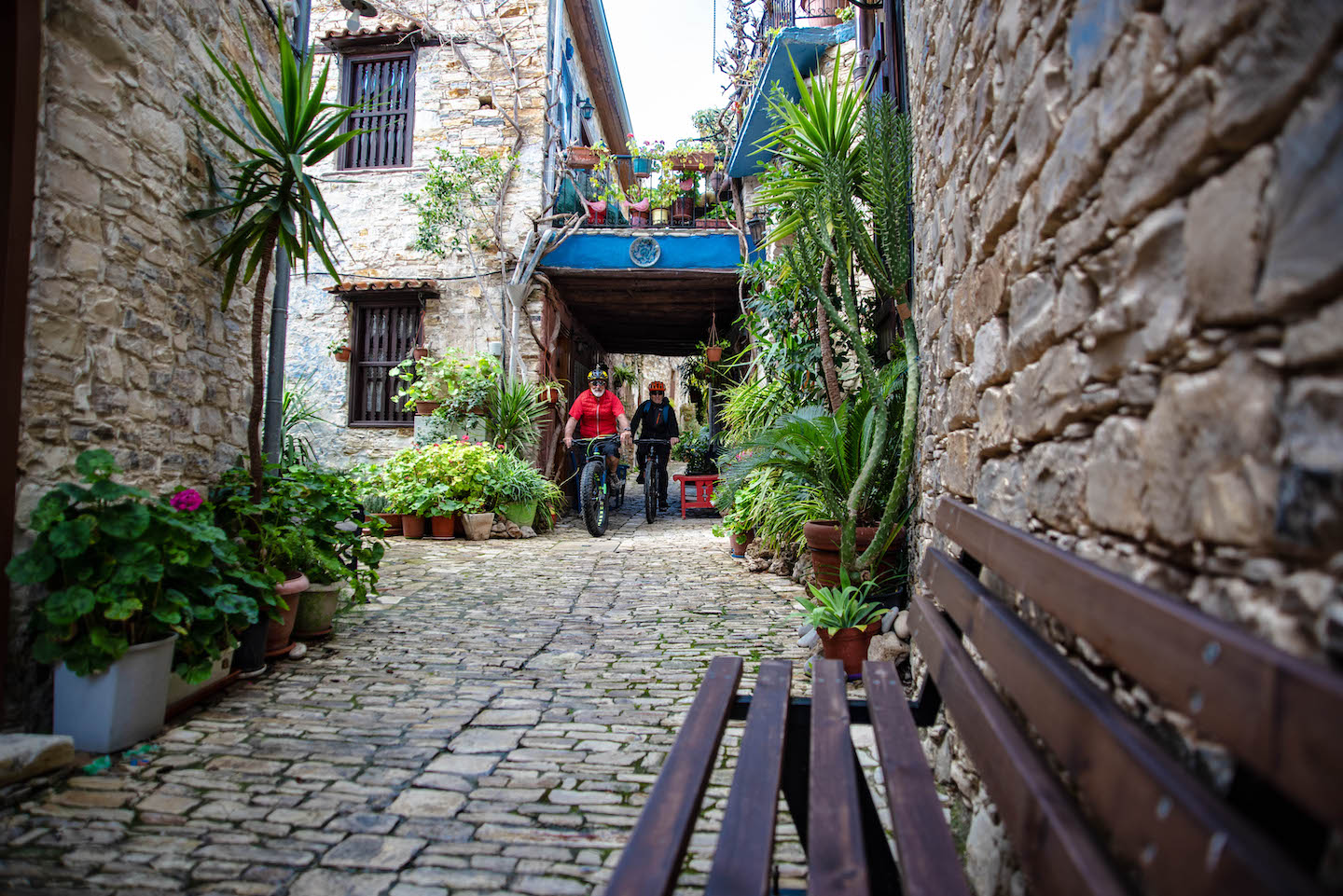
Larnaka is a cyclist’s paradise with its excellent year-round climate, unique cultural attractions, stunning vistas, and variety of fauna and flora. Adults and older children/teenagers alike can enjoy cycling in fresh clean air, with challenging, yet varied and picturesque terrain. 

Now with these thematic routes, a bike ride can also be combined with a piece of history or tradition. There are eight themed cycling routes that can be downloaded from the website and include a map, distances, altitude differences, degree of difficulty, the type of bike that is recommended to be used, plus the various points of interest.

Below are the key highlights for each of the eight routes:

Neolithic Route – the oldest cycling route in Europe, this 28 km route focuses on the antiquities of Choirokoitia and Kalavasos Tenta Neolithic Settlements, plus the villages of Tochni, Zygi, Maroni and Psematismenos.

Wine & Gastronomy Route – a 54 km route covering the picturesque villages in the mountainous province of Larnaka, such as Lefkara, Kato Drys, Skarinou and Choirokoitia, with opportunities to visit traditional wineries, silversmith artisans and a Halloumi cheese workshop. 
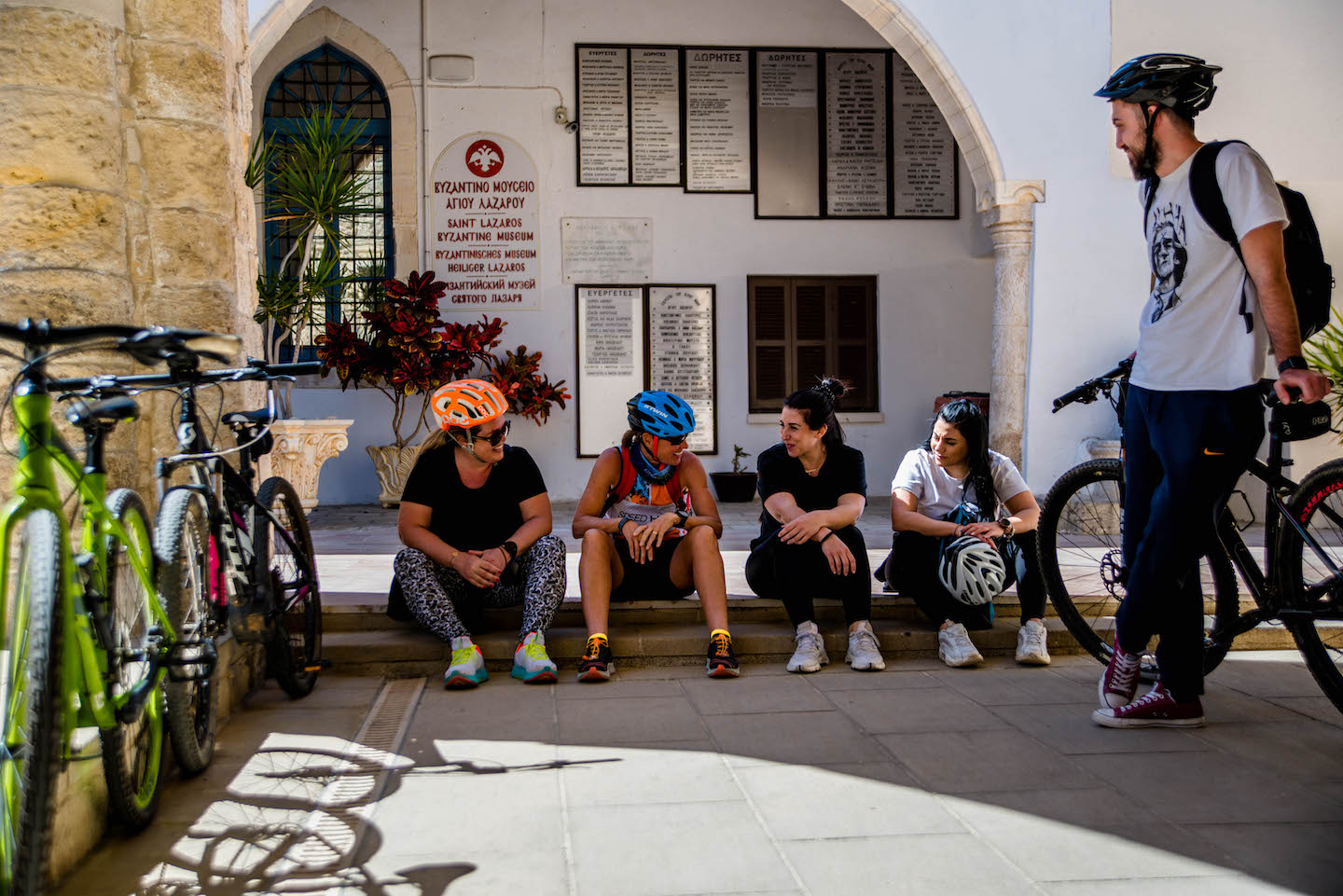
Multi-religious Route – this 18 km route visits various places of worship of various religions within the city. Although the island has strong ties to Christianity throughout its history, a basic characteristic of Cyprus is the peaceful coexistence of several other religions, including those of Catholics, Muslims, Armenians and Maronites.

Venetian Towers (Eastern) – Constructed over 500 years ago, the Venetian Watchtowers acted as an early warning system against naval attacks and remain intact in four separate villages within the district. This 46 km route includes watchtowers at the villages of Pyla and Xylofagou.

Venetian Towers (Western) – This 17 km bike tour takes cyclists to two watchtowers in the western area of Larnaka at the villages of Pervolia and Alaminos.

Camel & Donkey Route – This 50 km route introduces cyclists to the island’s furry friends – an integral part of daily life just 60 -70 years ago – and offers a unique insight on how the locals would move around the island in olden days. It includes suggested visits to Camel Park Mazotos and the Golden Donkeys multi-site farm in Skarinou.
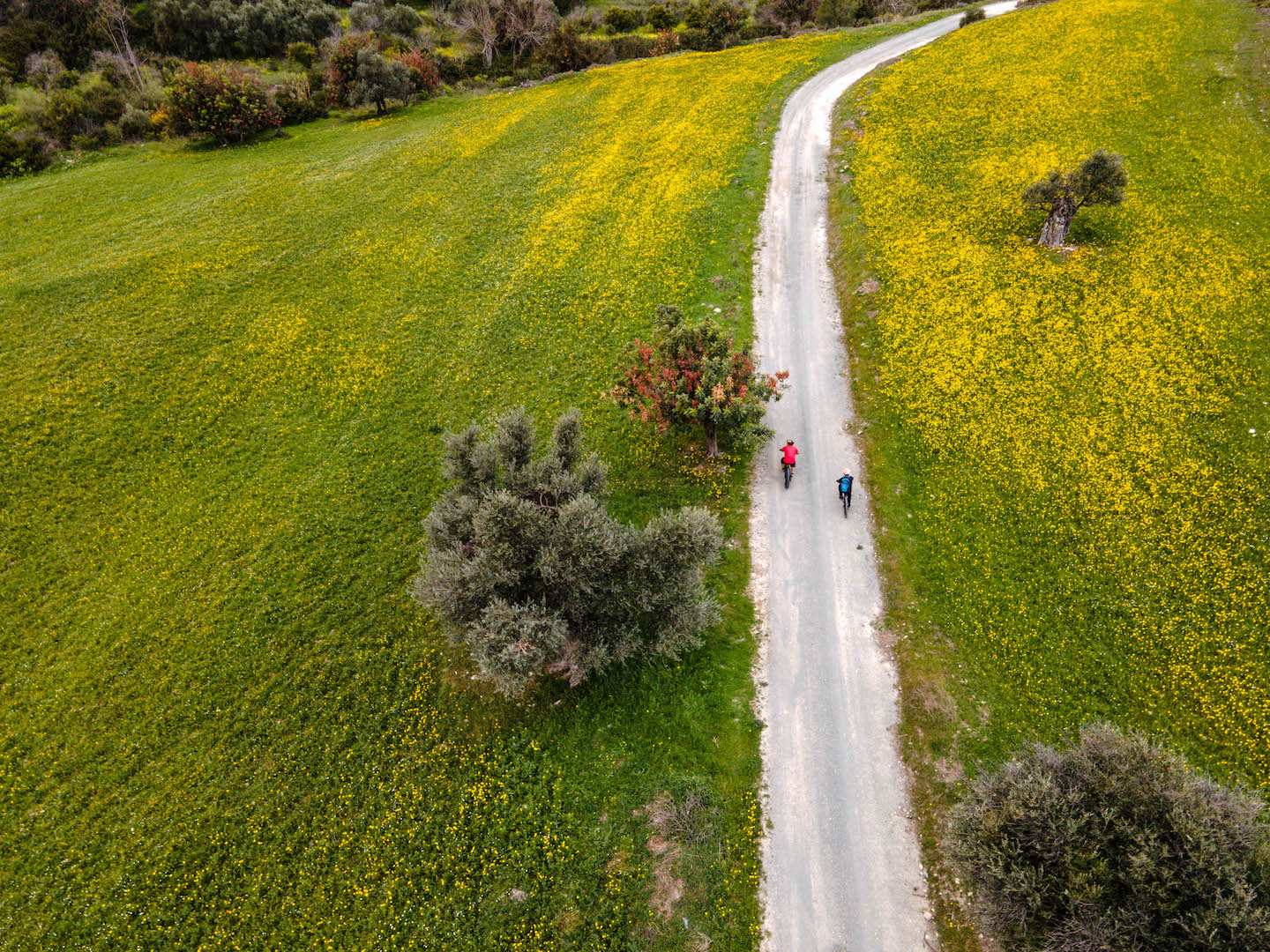
Wheat & Bread Route – This 60 km route showcases the region’s long history of traditional bread-making as it passes through golden wheat fields and takes in a beautifully-restored flour mill, which now serves as a time capsule of Athienou town’s bread-making tradition.

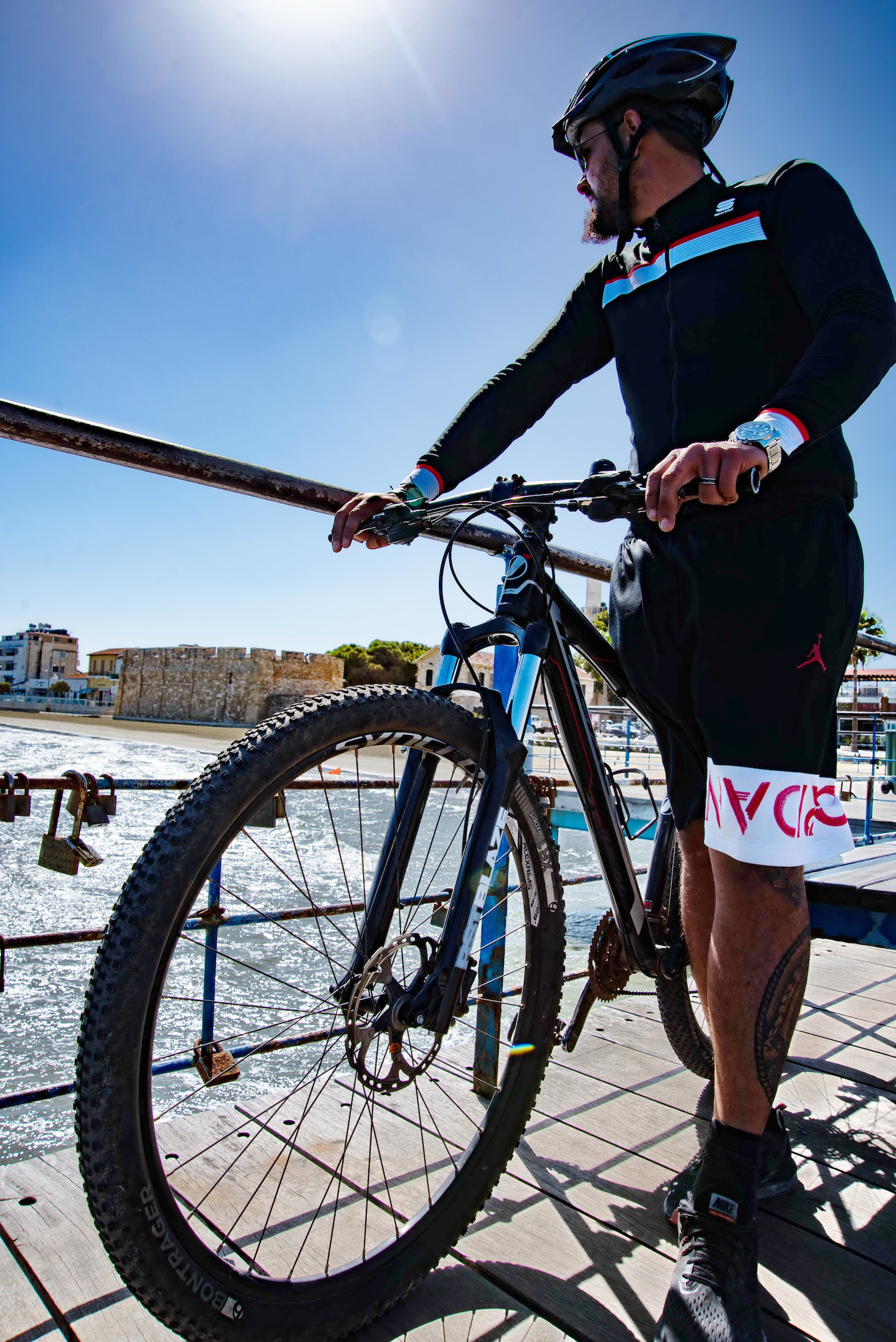
Larnaka Birdwatching Route – This 11 km route is recommended between November and April. With its location on the south-eastern edge of the Mediterranean Sea, Cyprus attracts more than 370 different bird species during their migration from Africa to Europe – and back again. This is one of the best areas on the island to observe these majestic birds, and this route offers the opportunity to visit Voroklini Lake, Larnaka Salt Lake, Larnaka Marina and Larnaka Medieval Castle. 

For more information visit: www.larnakaregion.com/page/thematic-cycling-routes

For more information on Larnaka Tourism Board, visit www.larnakaregion.com

Fun, funky and electric Honda

The new Honda e

By Bill McCarthy


Honda’s first fully electric vehicle is really in your face. It is a car that never failed to attract attention, particularly in its lemon and black combo livery, and looking almost the same at the back as it does at the front with its circular lights and lack of a grille. 

The charging-point port is integrated into the bonnet via a glass lid and it has no door mirrors. Instead these have been replaced with small cameras which display on two six-inch screens on each side of the dash, and virtually eliminate those dangerous ‘blind spots.’

A gimmick? No, it is a much more serious car than that, although the sheer minimalist funkiness is bound to attract many buyers looking for something a bit different.

 It is available in two grades, the Honda e and Honda e Advance – both models provide a comprehensive standard specification, including a classy panoramic roof, while the Advance driven here offers a choice of 16 or 17-inch alloy wheels, and increased motor output.

Built new from the ground up, it does offer plenty for a city car and with its compact size,  and official range of between 125 and 147 miles, although that was a figure that I got nowhere near with a full charge, with the meter showing around 108 miles.

Early electric cars would have loved that range, but these days in excess of 200 miles is commonly achievable. Having said that it is not too shabby, given the average daily commute is around 25 miles.

The unusual rear-wheel-drive set up and powerful electric motor delivers a pleasing drive and excellent performance, while the independent suspension for each wheel and 50:50 weight distribution gives good manoeuvrability, with a London cab-like turning circle.

Like many electric cars, rapid-charging is available, with up to an 80 per cent charge delivered in 30 minutes, while home charging can be achieved in around four hours.

The interior is quirky and minimalist, but in some way like a multiplex, with five screens across the width of the car. The two outer ones are effectively the door mirrors which sit alongside a central TFT monitor and pair of screens to monitor, connectivity via Apple CarPlay or Android Auto, navigation and infotainment functions. The system allows key information to be relayed to the driver, while additional information can be controlled by the front seat passenger.

In addition to Bluetooth connectivity, multiple connection inputs are provided beneath the centre console for easy charging and connection of electrical devices. This includes HDMI, 12V power and even a three-pin socket.

Stowage space is good in the airy cabin, with multiple storage pockets and cup holders, together with a reasonable space in the boot, which can be increased by folding the rear seats. Maximum capacity of 171 litres with the rear seats up. Those seats conveniently fold flat to the same level as the boot floor to allow a maximum load capacity of 861 litres.

On the road the car is very lively with typical electric car instant acceleration, great for getting out of tight spots and sharp handling.

There are two drive modes accessed via a rocker switch on the central console, normal and sport, for that extra pace. A steering wheel paddle-activated deceleration mode selector can configure the single-pedal braking characteristics to adjust the strength of deceleration.

Whichever mode, it is an enjoyable drive, plenty of grunt and controllable deceleration, while remaining stable on corners.

Safety kit is impressive with a comprehensive range of measures including a full set of airbags, stability programme and assisted braking. In addition Honda’s SENSING technologies include collision mitigation and throttle control, which prevents sudden acceleration in either reverse or drive upon starting the car when there is an obstacle in the way.

Honda’s first full EV, may look a bit odd, but there is no doubt it has bags of appeal and even impresses five-year-olds.

Factfile

Honda e Advance

Price: £30,715

Mechanical: 113kW (154ps) electric motor driving rear wheels via auto transmission

Max Speed: 100mph

0-62mph: 8 seconds

Combined MPG (range): 137 miles

C02 emissions: 0g/km

Warranty: 3yrs/90,000 miles