Category Archives: Motoring news

Don’t forget to tax your EV or face a penalty

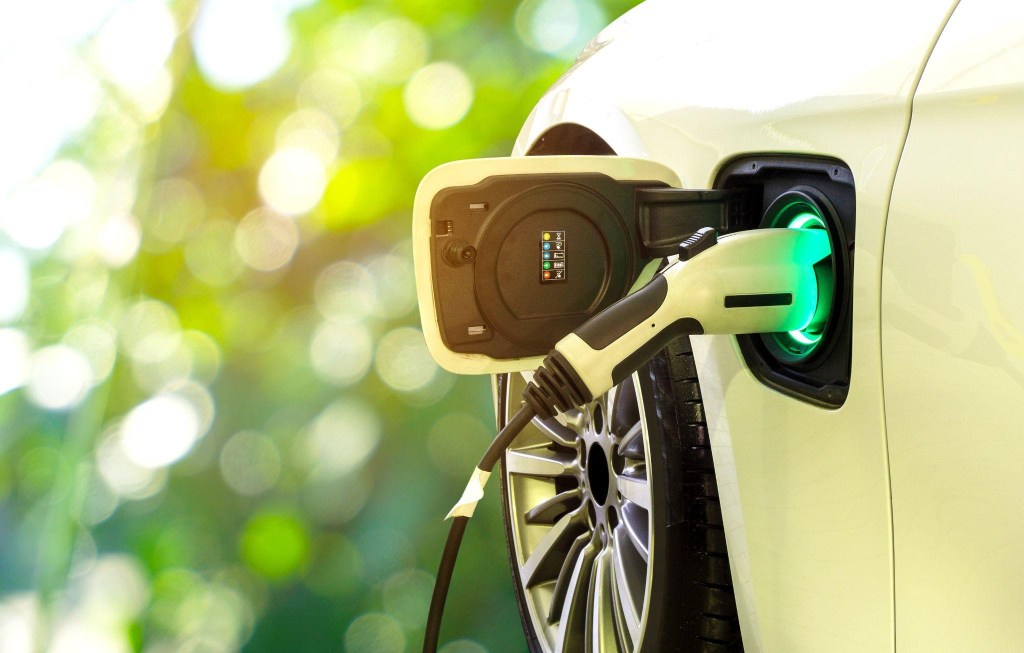
Research shows some electric vehicle (EV) owners are being slapped with fines of £80 for driving without road tax because they haven’t registered their vehicles. 

EVs are currently exempt from all tax charges – so long as the electricity comes from an external source (for example a chargepoint), an electric storage battery which is not connected to power when the car is moving, or from hydrogen fuel cells. 

This does mean that the majority of EVs on UK roads aren’t subject to pay tax, despite still needing to register their vehicle on the taxing system. 

Failure to pay the fine means that some drivers could be subject to hefty fines of up to £1000 if the case is taken to court. 

The DVLA may also clamp electric cars which do not have road tax until the fine is paid in full. 

However, the government recently announced that electric vehicles will no longer be exempt from paying any tax from April 2025. 

With just two years of tax free driving to go, motorists are being urged to register their vehicle for VED and avoid receiving any fines in the meantime. 

The Autumn Statement last year announced that EV’s registered from April 2025 will pay £10 towards tax – the lowest rate – for one year, after which the price will increase to the standard rate. 

And for electric cars which have a list price of £40,000 or more, they too will be subject to additionally pay the annual supplement cost of £390 each year for five years. 

Tim Alcock from LeaseElectricCar.co.uk said: “Many electric car owners know the perks of currently not having to pay any road tax, but some drivers are receiving unexpected fines for failing to register their EV in the tax system. 

“This means you could be paying a fine of up to £1000 yet if you had taken a couple of minutes to register your car you wouldn’t have to pay a penny. 

“EV owners should be making the most of the fact that they are exempt from paying anything towards road tax before the law changes in just two years’ time. 

“It’s easy to tax your vehicle and avoid these fines – go online to the official government website or visit your local Post Office which deals with vehicle tax.”

To find out more about taxing electric cars please visit https://leaseelectriccar.co.uk/.

Beware of a white Christmas period on the roads

Photo by Magda Ehlers on Pexels.com

While many of us may be dreaming of a white Christmas this December, when it comes to driving in snowy conditions, there are a lot of hazards for drivers to consider that aren’t usually there at other times of the year. 

One study claims that over the course of the last five years, there has been on average a 25% increase in the number of car insurance claims made in wintery November, compared to sunny April.

However, data from gov.uk suggests that while the majority of UK drivers have been more careful during wintertime, with the months of November to January showing a decrease in traffic and casualties – there are still as many as 7,000 monthly accidents at this time.

Graham Conway, Managing Director at Select Car Leasing, has shared the top tips everyone should consider when driving in snowy and icy conditions, in order to avoid hazards and drive safely. 

  1. Drive with a slow speed and wide berth

“In icy conditions, wheel slip is the least likely at a slow speed in a high gear. Make sure to get your speed just right, carefully tapping the accelerator pedal and keeping a close eye on speed. 

“If you’re going downhill, reduce to a lower gear to make the need for braking a lot less likely. 

“If you’re driving behind another vehicle, you should give the vehicle in front a wide berth. In fact, during wintry conditions, it is recommended you should leave as much as ten times more space as normal between you and the vehicle in front. 

“It is usually recommended to leave a space for another car between you and the car in front, known as the five second rule. 

However, in snowy and icy conditions, you should leave the space for around 10 cars in front, as the ice can be very unpredictable”. 

  1. Go around the bends carefully

“If you’re approaching a bend, remember to brake before turning the steering wheel to turn the corner, to reduce the chances of your car slipping on ice. 

“If your car loses grip, stay calm, take your foot off the accelerator pedal and make sure your wheels are pointing in the direction you want to go in. 

“If the vehicle’s back wheels skid, you should steer into it. For example, if the back of the car starts sliding to the right, you should then steer to the right, as those back wheels are pushing the weight of the car. Its resistance can overcome friction and cause tires to lose grip. This points the front wheels in the same direction as the car’s momentum by pulling the front of the car into line with the skidding back end. By doing this, you can regain control and successfully move on.

“It is important that you don’t take your hands off the steering wheel and do not suddenly stamp on the brakes while this happens, as this could make you completely lose control of your vehicle”. 

  1. Stay visible

“If you’re driving through heavy snow, ensure your dipped headlights are on at all times, so you can stay visible to other road users. 

“Do not rely on daytime running lights, because they don’t always light up the back of your car, which can be dangerous in snowy conditions.

“If visibility drops below 100 metres, switch on your fog lights so you can see further ahead. However, you must remember to turn them off once visibility improves”. 

  1. Pack for the worst case scenario

“Be prepared for the worst case scenario, as breaking down in snowy conditions unprepared can be dangerous. Your car should be packed with various items to help you navigate the worst outcome. 

“Things to include in the car include: a torch, a hi-vis vest to keep you visible if you break down, a blanket to keep you warm, some food, a drink, de-icer, an ice scraper, a blanket, shovel, phone charger, map, a warning triangle, some jump leads, and a spade. 

“Your phone should also be fully charged with a phone number of a breakdown provider saved and stored on the phone”.  

Information supplied by Select Car Leasing at https://www.selectcarleasing.co.uk/