All posts by Macfivenews

Motoring and travel journalist, opinionated gob on a stick

A-Z of electric power – cutting the jargon

WITH demand for alternative fuelled vehicles such as electric cars and hybrids booming a baffling array of new terms and acronyms has arrived on the automotive scene.

To help drivers get to grips with the ‘new language’ of motoring experts at HPI have come up with an explanation of some of the terminology being used.

Last year, hybrid and electric alternative vehicle registrations rose by around 25 per cent and while diesel vehicles remain a sensible choice for high mileage drivers, hybrids and plug-in hybrids appeal as tax-efficient business motoring alternatives offering cost-effective motoring over urban driving cycles.

MHEVs diesels (Mid Hybrid Electric Vehicles) have seen an unprecedented 949 per cent increase with a total of 19,490 registrations for the year to date compared with just 1,857 across the whole of 2018.

The latest models of electric vehicles offer driving ranges of over 200 miles on a single charge and plug-in hybrids (PHEVs) use a petrol or diesel engine alongside the electric motor removing any range anxiety.

Car manufacturers are expected to introduce at least 35 new makes and models of AFVs in 2020 and HPI believes that with such an array of new vehicle acronyms hitting the market, it could lead to widespread confusion amongst motorists.

To help you know your AFVs from you REXs, HPI has compiled the following to help consumers avoid confusion:

AFVs Alternative Fuel Vehicles – vehicles not powered by petrol or diesel internal combustion engines
BEV Battery Electric Vehicle – vehicle powered solely by a battery charged from an external power source
BIK Benefit In Kind – non-wage compensation to employees; includes company cars
CAZ Clean Air Zone
EV Electric Vehicle – the broadest category of vehicle, including all types of electrified vehicles
HEV Hybrid Electric Vehicle – vehicle combining a conventional internal combustion engine with an electric propulsion system
ICE Internal Combustion Engine – a conventional petrol or diesel engine
LEZ Low Emission Zone
M1 – vehicles designed and constructed for the carriage of passengers and comprising no more than eight seats in addition to the driver’s seat
mHEV Mild Hybrid Electric Vehicle – a vehicle with an internal combustion engine assisted by an electric generator; mHEVs cannot run on electric power alone
NEDC New European Drive Cycle – test to assess the emission levels and fuel economy of passenger cars
NEDC Correlated –  WLTP-derived CO2 values translated back to NEDC-equivalent values
PEV Plug-in Electric Vehicle – includes both PHEV and BEV
PHEV Plug-in Hybrid Electric Vehicle – an HEV in which the battery may be charged from an external power source
PiCG Plug-in Car Grant – UK Government-funded plan to subsidise the price of plug-in cars (PHEVs and BEVs)
REX Range Extender – small internal combustion engine used to provide power to a BEV when the battery is exhausted
ULEZ Ultra-Low Emission Zone – an area within which all vehicles need to meet exhaust emission standards
WLTP Worldwide Harmonised Light Vehicle Test Procedure – replaced NEDC in the UK from September 2018.

Chris Plumb, an EV specialist at HPI, said: “Most car manufacturers are making significant investments in their EV ranges in particular. As a result, the UK will see a rapid expansion in the number of models available and the technology used.”

“The rise in the number of alternative fuelled vehicles about to hit the market marks a radical step forward. Many manufacturers are planning to electrify their entire product range by the middle of the next decade.”

The top four best-selling new electric vehicles throughout 2018 were the Nissan Leaf, BMW i3, Volkswagen Golf-electric and Renault Zoe electric. 
Rugged and practical

By Bill McCarthy

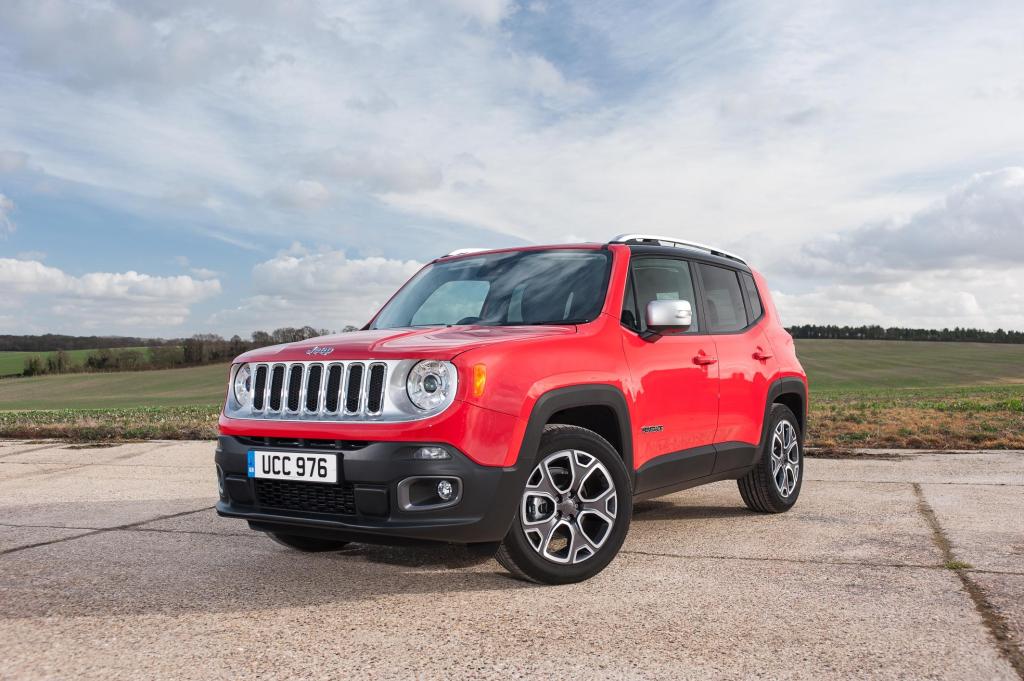
JEEP is a name synonymous with rugged off-road capability and power, tackling the toughest of obstacles. A wartime legend, the brand has evolved assuming many guises over the subsequent decades.

But if you thought the world was already full of SUV/crossovers, Jeep decided to get in on the act and fill a crucial hole in the range.

 The style may not suit those who like svelte profiles, but for those who like the rugged look, there is no mistaking it is a Jeep.

It features the signature seven-slot grille, lower bodyside cladding, integrated roof bars, restyled headlights, and foglights and chunky profile. Except in place of the usual four wheel drive, on this model and spec, power is delivered to the front wheels only via a six-speed manual gearbox.

 Sat on 18-inch alloy wheels, it is still enough of a rarity to attract passing interest on car parks or parked on the road.

Based on the Fiat 500x, it is the first Jeep to be built outside North America and comes in a number of trim levels and engine options, the competent and flexible one litre, three cylinder engine in this case.

 Starting at just under £20k all models are well equipped, with this top trim model adding goodies like heated seats and steering wheel, dual zone climate control, adaptive cruise control and parking assist system.

 The interior carries on with the chunky, no-nonsene theme with solid plastic trim and robust switchgear, rotary controls and convenient storage compartments. The dark interior is offset by bright finish to steering wheels and central console around the gear selector. It is a comfortable place to be with multi-adjustable leather seats in a commanding driving position.

The boxy shape means headroom is good all round, but legroom is more cramped in the rear while although room for three passengers, the middle seating area is tight.

 The centrepiece is an 8.4 inch connect multifunction screen and a seven-inch TFT display screen behind the multi-function steering wheel. There are also other USB and 12-volt points available.

The touchscreen  controls sat nav, entertainment climate and connectivity which includes Fiat’s uConnect, which allows phone mirroring via Apple Carplay or Android Auto connectivity.

The latest three cylinder turbo petrol engine delivers a healthy 120hp and 190 Nm and is surprisingly quick off the mark seeming  a lot quicker than the 11-odd seconds to hit  60mph. Like most three pot engines, there is a pleasing, raspy sound, particularly under acceleration and the decent torque means it pulls well through the gears. It is also a decent motorway cruiser the only drawback being the bulky shape mean there is more wind noise. But engine is noise is kept to a minimum at cruising speeds.

 Economy is also good, the 40-odd mpg claimed seeming pretty much spot on.

As crossover/SUV, practicality and flexibility is a must and the Renegade offers both.

Boot space is plentiful with the standard 351 litres capable of being expanded 1,300 litres with the rear seats folded down and handy points mean shopping bags, suitcases etc can be stowed securely via a large tailgate.

It also offers a full range of safety kit including, six airbags, stability and traction control, rollover protection, lane departure warning and traffic sign recognition for speed awareness.

This model also featured blind spot and rear cross path detection as a £300 option.

Not a go anywhere off roader, but a real alternative in the crowded crossover field.

Factfile

Jeep Renegade Limited 1.0 GSE T3

Price: £24,905

Mechanical: 120bhp, 999cc, three cylindel petrol engine driving front wheels via six-speed manual gearbox

Max speed: 115mph

0-62mph: 11.2 seconds

Combined mpg: 39.8

Insurance group: 11

CO2 emissions: 134g/km

Warranty: 3yrs/60,000 miles