All posts by Macfivenews

Motoring and travel journalist, opinionated gob on a stick

Yaris a groundbreaker again

Toyota Yaris Hybrid

By Bill McCarthy


It should come as no surprise to see Toyota breaking new ground again with hybrid technology. Its expertise is built on more than 20 years’ experience since the introduction of the first Prius back in 1997.

The firm has now sold more than 14 million hybrid vehicles worldwide – including 2.5 million in Europe. The Yaris has more than played its part, first going hybrid in 2012, and selling half a million in Europe, but the latest model is a quantum leap forward.

Yaris has gone all-in hybrid, together with it being built on the firm’s small car  Toyota New Global Architecture (TNGA), which, says Toyota, has improved dynamic performance together with class leading safety measures.

The new petrol engine/electric motor setup  has a 15 per cent increase in combined power and a more than 20 per cent increase in fuel efficiency and can be switched a the touch of a button to electric for a fair amount of time in urban areas, delivering zero emissions. The system also uses a new lithium-ion hybrid battery which while being more powerful, is 27 per cent lighter than the nickel-metal hydride battery it replaces.

It also looks good, one of the best looking superminis, that is both practical and perfect for tackling the challenges of city or congested driving areas. As ever its even more compact size means it is highly manoeuvrable and a breeze to park in tight streets, aided by standard parking camera.

Starting at a hefty price tag of a smidge under £20k you get plenty for your cash with even the entry Icon, featuring electric windows and door mirrors, 16-inch alloys, a seven-inch infotainment system with Apple CarPlay and Android Auto connectivity, a reversing camera, auto headlights and wipers and air-con.

The goodies increase though Design, Dynamic to the  Excel, with the likes of 17-inch wheels, eight-inch screen, button starter, dual zone climate control, parking sensors and for added safety, auto-braking. This limited edition model had a few more cherries on the top head-up display and premium sound system.

For a small car it has striking looks, being shorter, wider and lower than the outgoing model. It features a sporty wedge shape, with sculpted door panels, deep grille and air scoop flanked by cats-eye-like headlamp clusters, with LEDs which double as indicators.

To the rear, classy touches include privacy glass and discrete black spoiler.

This limited edition range topper also included striking two-tone red with black roof paintwork, body-coloured door handles and front bumper, piano Black upper front grille, privacy glass, red insert on boot door and piano black door belt moulding.

Inside there are plenty of soft touch materials with piano black finish and a more compact steering wheel, while the instrumentation is clearly and logically laid out. The centrepiece is the multi-media screen which is the brains of the car, together with a TFT multi-information display in the instrument binnacle which can help monitor EV activity.

 The 10-inch touchscreen on this model controls infotainment and smartphone connectivity, but, oddly, there was no navigation. However hooking up your smartphone can add navigation through the screen.

Despite its more compact shape, interior space is barely compromised, with headroom remaining the same, although tight in the rear, while the firm’s GA-B platform offers a low centre of gravity which helps deliver an enjoyable and stable drive. 

It offers sharp, agile  handling and direct steering for bombing around town, while the growl from the three-pot engine is not unpleasant. It is equally at home on the motorway, with plenty of grunt available, while road and wind noise, although noticeably present, are reasonably well suppressed.

The 1.5 litre petrol engine is supplemented by two motor/generators – MG1 and MG2. MG2 is linked to the front wheels and can be used as the power source to drive the vehicle. MG1 is deployed to start the engine and to generate power to charge both batteries (hybrid and 12V).

 Mated to the CVT transmission, the combo delivers excellent economy, with the claimed 68-odd mpg proving to be pretty close to the mark. A bonus is the brisk acceleration which propels the car to 60mph in under 10 seconds, while at the same time delivering low carbon emissions. 

While the car’s handling delivers an engaging drive, the ride however, feels slightly compromised with 17-inch alloys on this top end model and stiffer suspension allowing for some discomfort over rougher surfaces. It could be the case that the 16-inch alloys could offer a more settled ride.

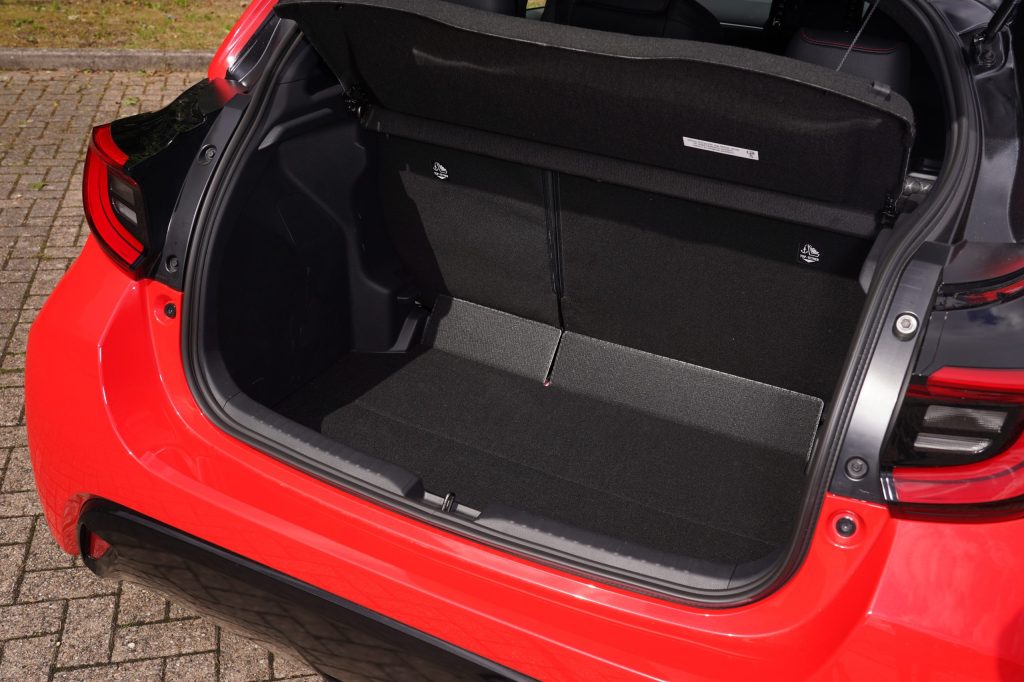
Stowage capacity is a reasonable 286 litres, so long as you are not planning a camping trip, but if you are, rear seats fold in hatchback fashion to open up extra capacity.

One of the safest small cars around, engineered to be the world’s safest small car says Toyota, it is packed with safety kit and including a full complement of airbags, including  a centre airbag for the first time, stability control, intelligent adaptive cruise control and lane assist, pre-collision warning, pedestrian detection, steering control and a host of other features to keep families safe.

Factfile

Toyota Yaris Hybrid Launch Edition

Price: £ 24,005

Mechanical: 1490cc, 114bhp, three-cylinder petrol engine and 85kW electric motor driving front wheels via electric CVT auto transmission

Maximum speed: 109mph

Acceleration: 0-62mph in 9.7 seconds

Economy: 65.6 mpg

Insurance group: 14E

CO2 emissions: 92-98g/km

Warranty: Five years/ 100,000 miles
BMW marks Hams Hall success

Engine plant celebrates 12 milestone products


Hams Hall. BMW is marking 20 years of production at its Hams Hall production site in the Mdilands.

To mark the anniversary, the firm is highlighting 12 pivotal moments and the products that put the North Warwickshire plant on the map as a centre of engine manufacturing excellence.

Today, the latest generation of three and four-cylinder petrol engines roll off the line at more than one per minute, and are supplied to nine different vehicle plants across the world from Oxford, UK, to Germany to the USA. More than five million BMW and MINI cars have been powered by a Hams Hall engine, since the plant first started production in 2001.

High points over the last 20 years at Hams Hall

2001 – 2004: The
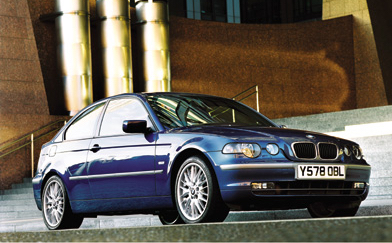
BMW 3 Series Compact.
Production first started at Plant Hams Hall with BMW’s brand-new generation of four-cylinder petrol engines, entering the market with the launch of the BMW 316ti Compact. The naturally aspirated NG4 engine was the first to feature BMW Group’s revolutionary VALVETRONIC technology, which reduced fuel consumption by at least 10%.

It was the first Hams Hall-built power unit to pick up an International Engine of the Year Award. The plant became BMW Group’s ‘centre of competence’ and sole supplier of the four-cylinder petrol engines, between 1.6 and 2.0 litres, that went on to power a number of BMW models.

2005 – 2008: Exports to North America ramped up.
2005 marked a pivotal moment for the plant, as the first engines destined for BMW Group Plant Spartanburg in South Carolina were exported to the United States. These 2.0-litre engines powered the BMW Z4 Coupe.

2006: From the racetrack to the road.
A special production facility was installed at Plant Hams Hall in 2006 to manufacture engines for the homologation of the BMW 320si for the FIA WTCC. In total, 2,600 units of the in-line four-cylinder engine were produced, built by hand on a dedicated production line. The high revving 2.0-litre unit delivered 173hp at 7,000rpm (before reaching its red line at 7,300rpm) and 200Nm of torque at 4,250rpm.

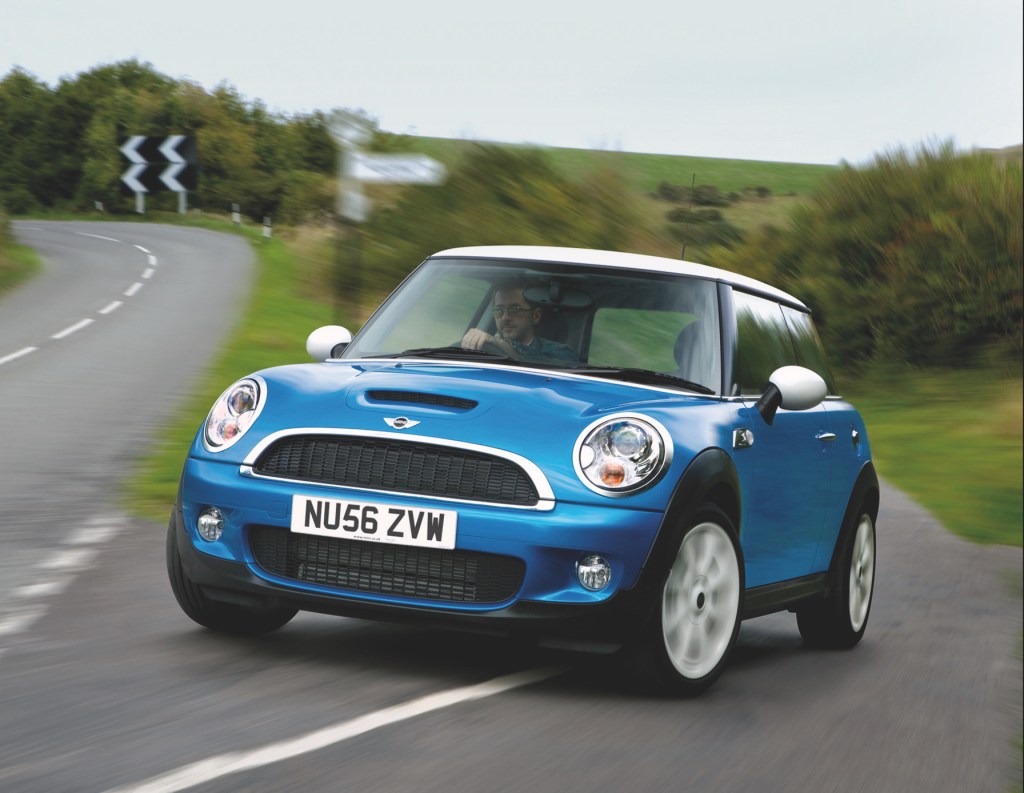
From 2006: A new generation of engines for MINI.
In September 2006, the Hams Hall plant expanded its remit with production of an additional, second engine family, supplying the MINI brand and the Oxford production plant for the very first time. An all-new production facility was installed to produce this brand-new engine family, internal code name ‘Prince’, alongside existing NG4 engine production.

This new family of engines – an International Engine of the Year award-winner for eight consecutive years – featured a wealth of innovative technical features which dramatically improved fuel consumption.

From 2010: New and improved engines for the growing MINI family.
Plant Hams Hall powered the ever-growing MINI family, including the all-new MINI Countryman, followed by MINI Roadster and MINI Coupé.

New and improved MINI engines offered more power and torque with reduced emissions and improved fuel consumption. MINI First and One models were fitted with a 1.6 litre engine, replacing the 1.4 litre unit. The iconic Cooper S model was powered by a unit that for the first time, saw the twin-scroll turbocharger and petrol direct injection system offered together with fully variable valve control.

2011: Rear-wheel drive ‘Prince’ engines added to the portfolio.
With the introduction of the new second generation BMW 1 Series in 2011, Plant Hams Hall introduced a longitudinal version of the Prince engine. These units powered a new generation of rear-wheel drive BMW models, including the 114i, 116i and 118i.

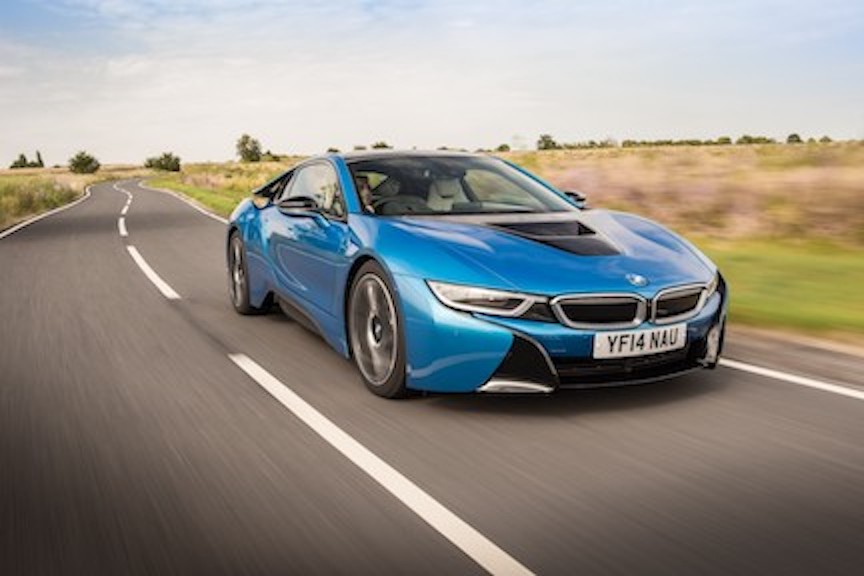
2014: Hams Hall became the sole provider of the combustion unit contributing to the electrifying BMW i8 plug-in hybrid sports car.
The purpose-built and technically brilliant BMW i8 plug-in hybrid sports car featured many firsts from the BMW and BMW i brands and the engine was no exception. The BMW i8 Coupé was the first BMW production vehicle to be powered by a three-cylinder petrol engine.

This 1.5 litre three cylinder engine developed 231hp, equating to an exceptional specific power output of 154hp/litre. Combined with BMW eDrive technology together they formed the vehicle’s hybrid system, with a power output of 266kW/362hp achieved and a sprint from 0‒62 mph in just 4.4 seconds.

Both the overall drivetrain and the three-cylinder engine picked up International Engine of the Year awards, including overall winner, best new engine and best in class accolades.

A brand-new and highly flexible production facility was installed for the production of this engine. Hand-built by an experienced and specially trained team, the plant was the only manufacturer of this engine for BMW i8.

2015: A new generation of engines power MINI into the next decade.
Significant investment in the plant came to fruition when a brand-new, high-volume engine production facility started to build BMW Group’s latest generation of three and four-cylinder petrol engines. Plant Oxford was the key customer, with these petrol engines powering the third-generation MINI.

2016: Latest-generation three-cylinder engines for plug-in hybrid models.
Upgraded facilities saw Plant Hams Hall introduce a three-cylinder engine derivative for plug-in hybrids with the BMW 225xe Active Tourer plug-in hybrid the first vehicle to receive this latest-generation engine. The plant continues to produce these engines, and has now integrated production of a four-cylinder derivative. Around a fifth of engines produced at the plant in 2020 were for plug-in hybrid models.

2018: A new high-powered derivative of the four-cylinder Baukasten engine.
BMW Group Plant Hams Hall was the first BMW Group production plant to build a new high-powered derivative of the latest generation four-cylinder Baukasten engine. It was introduced in the BMW X2 M35i, delivering 306hp and setting new benchmarks. The two-litre TwinPower Turbo engine was the very first M Performance series production four-cylinder engine and the most powerful BMW four-cylinder engine ever built.

2019: Supply resumes to BMW Plant Spartanburg.
Another upgrade to assembly facilities enabled Plant Hams Hall to introduce a longitudinal version of the latest generation of four-cylinder engines into production. This engine is supplied for the range of BMW X models and Plant Spartanburg in the USA is the key customer.

2020: Plant Hams Hall builds high-power engines for the MINI John Cooper Works GP.
A rarity with racing genes! Plant Hams Hall built 3,000 power units for the limited edition MINI John Cooper Works GP, the fastest MINI that has ever been approved for road use. A 306hp four-cylinder turbocharged engine accelerates this special two-seater model – based on the MINI 3-door Hatch – from 0-62 mph in just 5.2 seconds.

  • With its four brands BMW, MINI, Rolls-Royce and BMW Motorrad, the BMW Group is a leading premium manufacturer of automobiles and motorcycles and also provides premium financial and mobility services. The BMW Group production network comprises 31 production and assembly facilities in 15 countries; the company has a global sales network in more than 140 countries.